What is Permaculture? Beyond Organic Gardening
The Core Ethics: Earth Care, People Care, Fair Share
These three ethics are the moral foundation of permaculture, guiding every design choice toward creating systems that are ecologically sound, socially supportive, and economically equitable.
Key Principles You Can Use Today
Permaculture is built on practical principles like “Observe and Interact” (spend time understanding your land before acting), “Catch and Store Energy” (harvest rainwater or solar power), “Obtain a Yield” (ensure your work provides food, beauty, or other benefits), and “Use and Value Renewable Resources” (prioritize sunlight and wind over finite inputs).
Permaculture vs. Traditional Gardening & Farming
| Aspect | Traditional Gardening | Permaculture Systems |
|---|---|---|
| Primary Focus | Annual plants for seasonal harvest | Perennial ecosystems for long-term resilience |
| Resource Input | High (external water, fertilizers, pesticides) | Low (closed-loop, self-sustaining cycles) |
| Pest Management | Control through chemicals or removal | Prevention through biodiversity and balance |
| Overall Goal | Maximize single-season production | Build regenerative, self-maintaining landscapes |
Overcoming Common Home Gardening Challenges
“My Soil is Terrible and Everything Dies.”
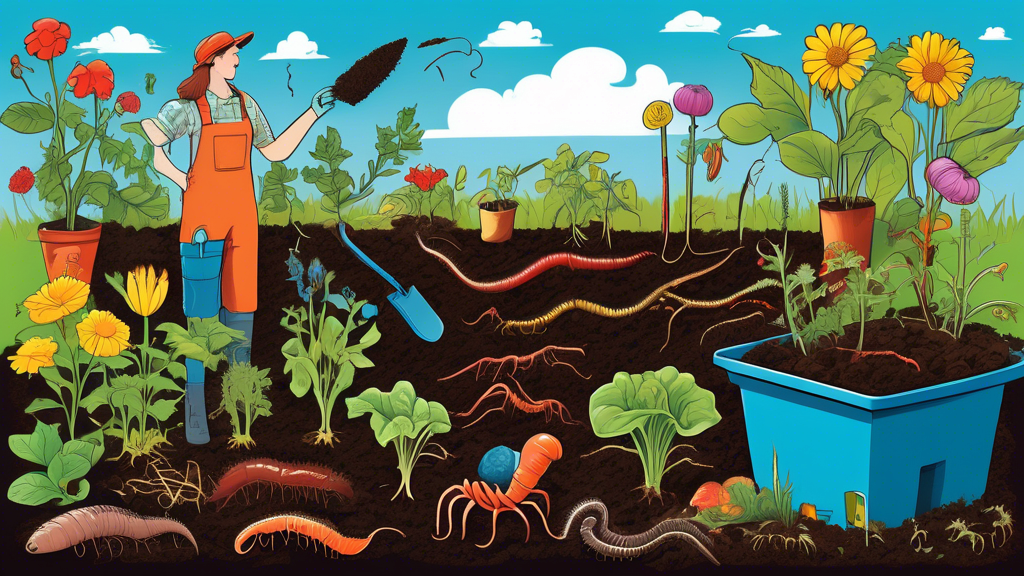
Instead of relying on bagged soil, permaculture focuses on building living soil through composting, heavy mulching, and no-till practices that encourage microbial life and natural fertility.
“I’m Wasting So Much Water and Time.”
Design your garden to capture and retain water using swales, rain barrels, and selecting drought-tolerant perennials, drastically reducing the need for manual watering.
“Pests and Weeds Are Taking Over.”
Shift from fighting nature to working with it. Plant diverse species to attract beneficial insects, use companion planting to deter pests, and learn which “weeds” indicate soil conditions or can be eaten or composted.
“I Don’t Have Enough Space.”
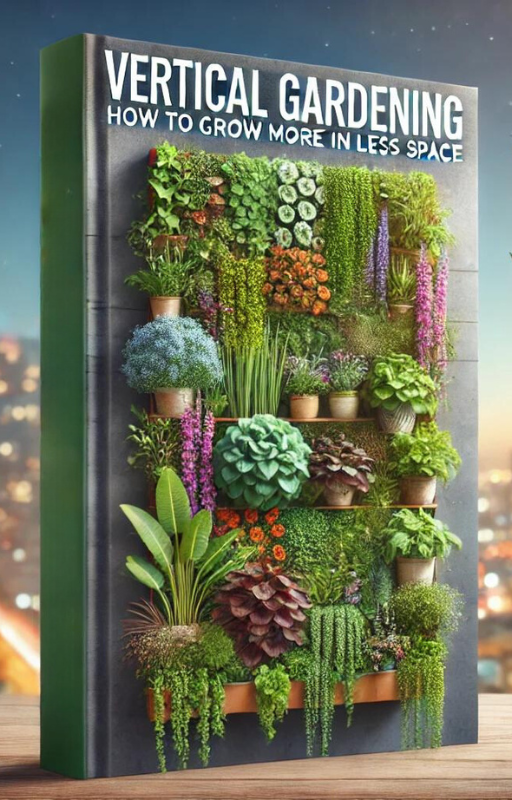
Maximize every inch with vertical gardens, espaliered fruit trees, and container planting, focusing on high-value crops like herbs and compact berries that thrive in small areas.
Your Step-by-Step Plan for Building Sustainable Permaculture Systems at Home
Phase 1: Observation and Design (The “Think” Phase)
Begin by mapping sun patterns, wind direction, and water flow on your property. A unique, often overlooked step is analyzing sectors—external energies like street noise, a neighbor’s invasive bamboo, or winter winds that can be managed or utilized in your design, moving beyond simple zoning.
Phase 2: Building Your Foundation (The “Soil & Water” Phase)
Start a compost bin to recycle kitchen scraps, install a basic rainwater collection system, and use sheet mulching to create fertile, weed-suppressed garden beds with minimal effort.
Phase 3: Planting Your Productive Ecosystem (The “Plants” Phase)
Choose perennial food plants like asparagus, berry bushes, and fruit trees for lasting yields. Create plant guilds—mutually beneficial communities centered around a key species, such as a fruit tree surrounded by nitrogen-fixers, pest-repellent herbs, and ground covers.
Phase 4: Expansion and Integration (The “Systems” Phase)
Introduce red wiggler worms for vermicomposting kitchen waste and consider a small wildlife pond to boost biodiversity, regulate microclimates, and provide a water source.
Unique Elements to Elevate Your System
The “Edge Effect”: Maximizing Productivity in Small Spaces
In nature, the interface between two environments (like a forest and a meadow) is the most productive. You can replicate this by designing curved or keyhole-shaped garden beds instead of straight rows, dramatically increasing your growing edge and yield.
Stacking Functions: Every Element Should Do Multiple Jobs
Ensure every component of your garden serves several purposes. For example, a fence can provide security, support climbing plants, cast shade for cool-season crops, and offer habitat for beneficial insects.
Using “Weeds” as Free Fertilizer
Transform common weeds into powerful plant food. Fermented Plant Juice (FPJ) is made by anaerobically fermenting nutrient-rich weeds like dandelion or nettle, creating a liquid fertilizer that recycles nutrients back into your garden at no cost.
Frequently Asked Questions (FAQs) About Building Sustainable Permaculture Systems at Home
Do I need a huge yard to start?
Absolutely not. Permaculture principles are scalable and can be applied to balconies, patios, or tiny urban plots—start with the space you have.
Isn’t this a lot of work to set up?
While the initial design and implementation require effort, a mature permaculture system becomes increasingly self-maintaining, reducing labor over time compared to the constant upkeep of a conventional garden.
How long until I see results?
You can harvest some greens and herbs within the first season, but a fully developed, multi-layered food forest may take 3-5 years to mature. The process itself—learning, observing, and connecting with nature—is a valuable yield.
Is it expensive to start?
It can be very low-cost. Use reclaimed materials, save seeds, swap plants with neighbors, and make your own compost. Permaculture emphasizes resourcefulness over consumerism.
Conclusion: Your Journey to a Regenerative Home
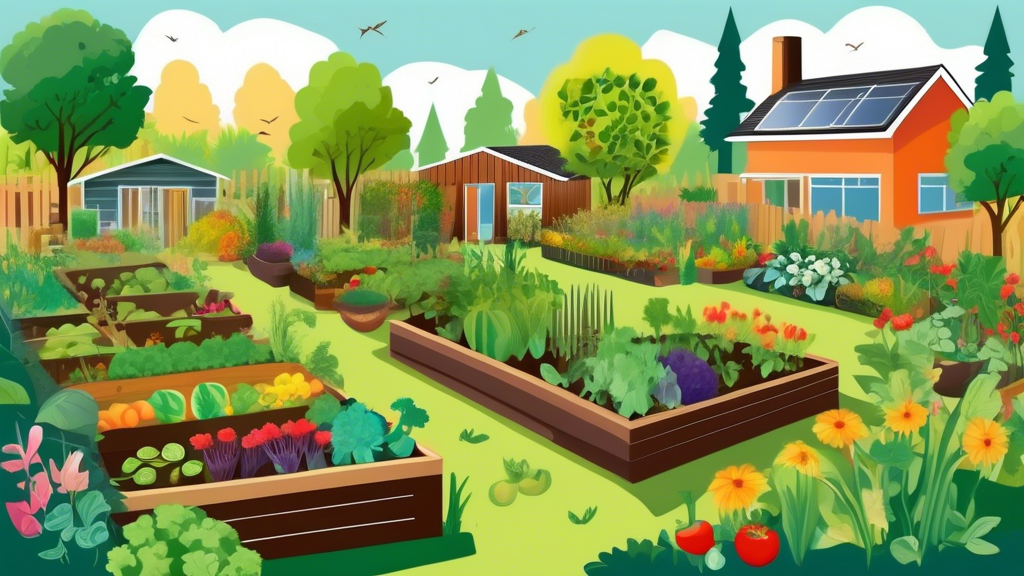
Building a sustainable permaculture system at home is a deeply rewarding journey of co-creation with nature. It’s not about perfection but progress. Begin with a single project—a compost pile, a small herb spiral, or a single fruit tree guild—and let your garden evolve into a resilient, productive sanctuary.