The Ultimate Guide: Comparing Smart Planters, Watering Systems & Hydroponics
Briefly introduce the modern gardener’s challenge: keeping plants alive and thriving with a busy lifestyle. Mention that technology offers solutions, but choosing between smart planters, automated watering systems, and hydroponics can be confusing. This guide will break down each option to help you decide.
Understanding Your Gardening Challenges
“I Just Can’t Keep Up with Watering”
The problem of over and under-watering. The stress of going on vacation and leaving plants behind.
“I Don’t Have a Green Thumb (or Much Space)”
Lack of gardening knowledge or a “feel” for plant needs. Limited space in apartments and small homes.
“I Want Faster Growth and Bigger Harvests”
Frustration with slow-growing herbs or poor vegetable yields. Desire for a more productive and efficient garden.
A Deep Dive into the Three Technologies
Smart Planters: All-in-One Automated Pots
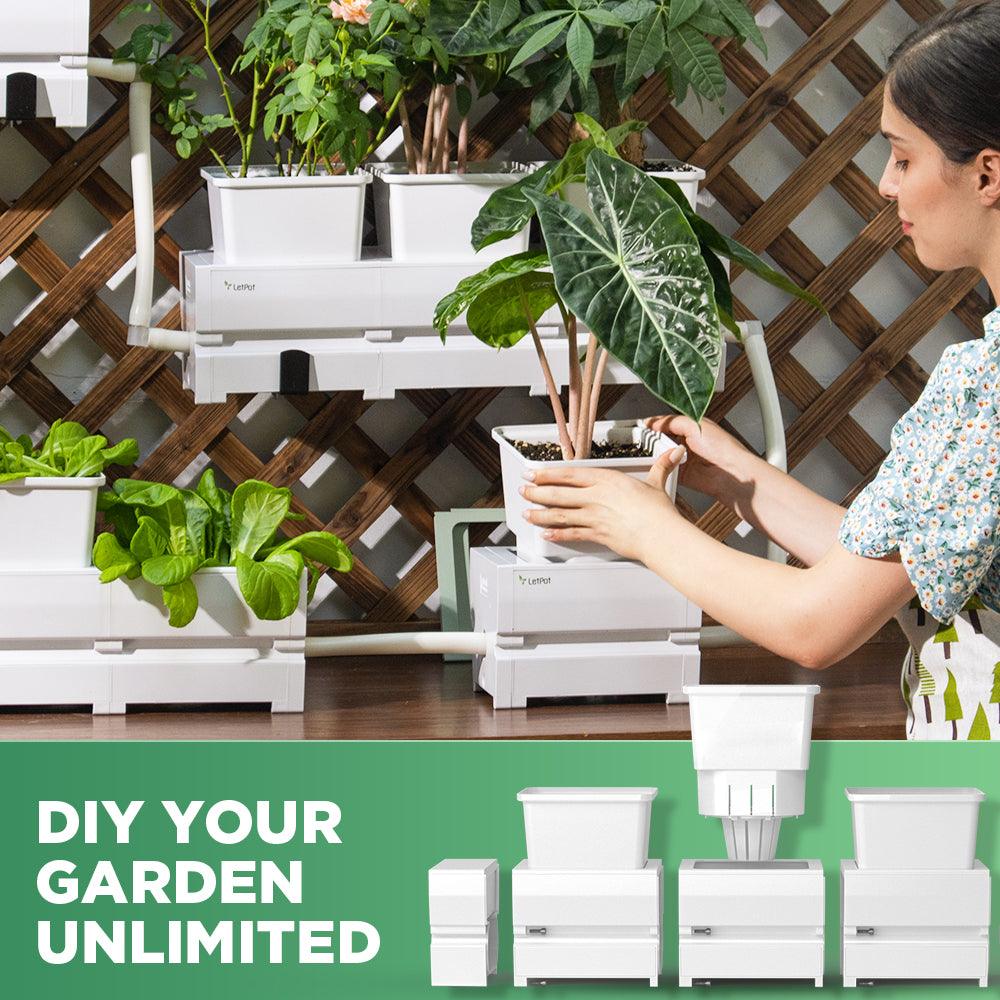
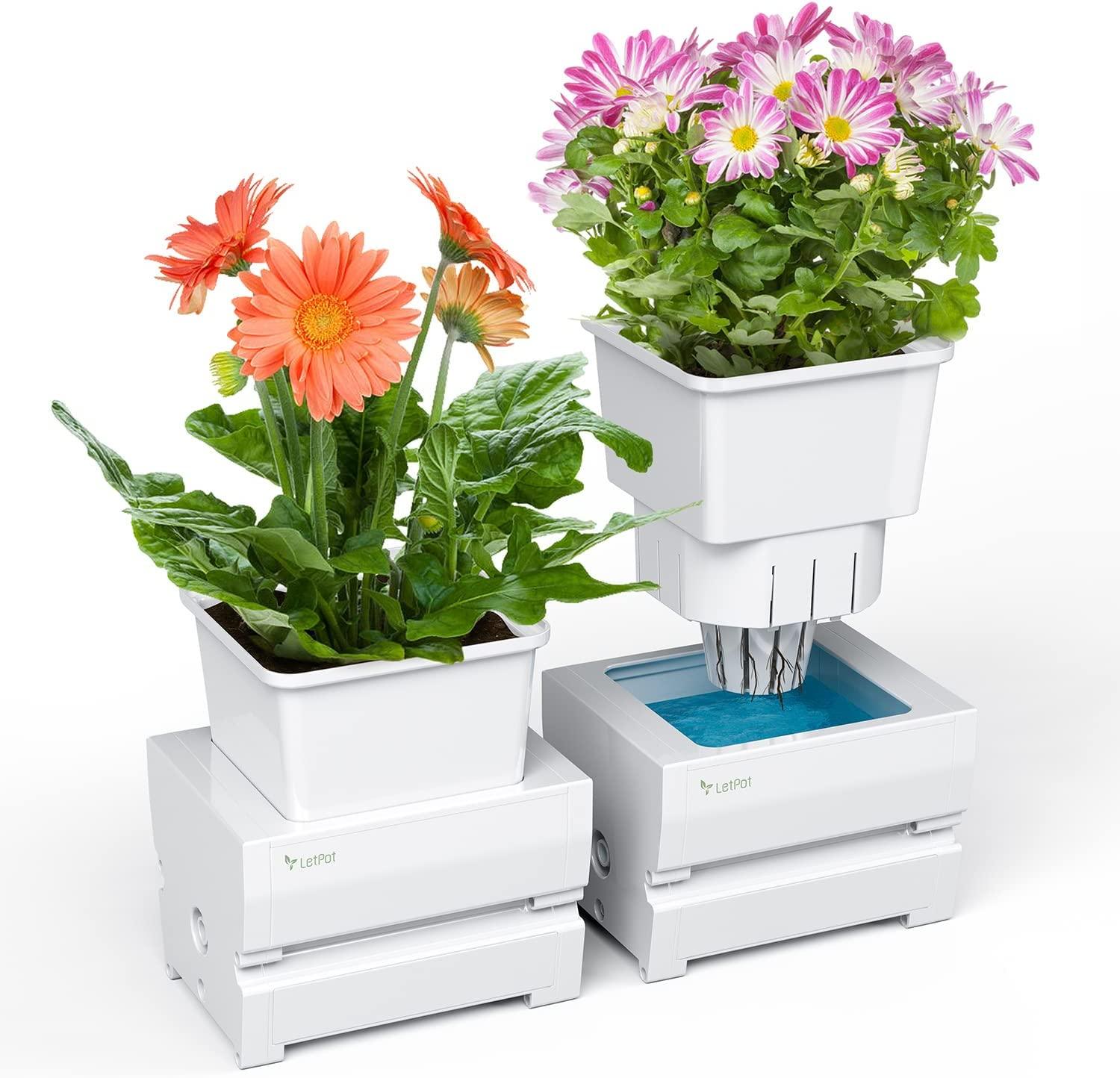
What They Are: Self-contained planters with built-in water reservoirs, sensors, and sometimes grow lights.
How They Work: Soil-based gardening with automation. Sensors monitor moisture, light, and fertilizer, notifying you via an app or auto-watering.
Best For: Beginners, busy individuals, and indoor plant lovers who want a simple, hands-off approach to traditional gardening.
Unique Insight: Many smart planters use a sub-irrigation or wicking system, which is not only efficient but also encourages stronger root growth as roots grow downward seeking water, unlike surface watering which can lead to weaker, surface-level roots.
Automated Watering Systems: An Upgrade for Existing Gardens
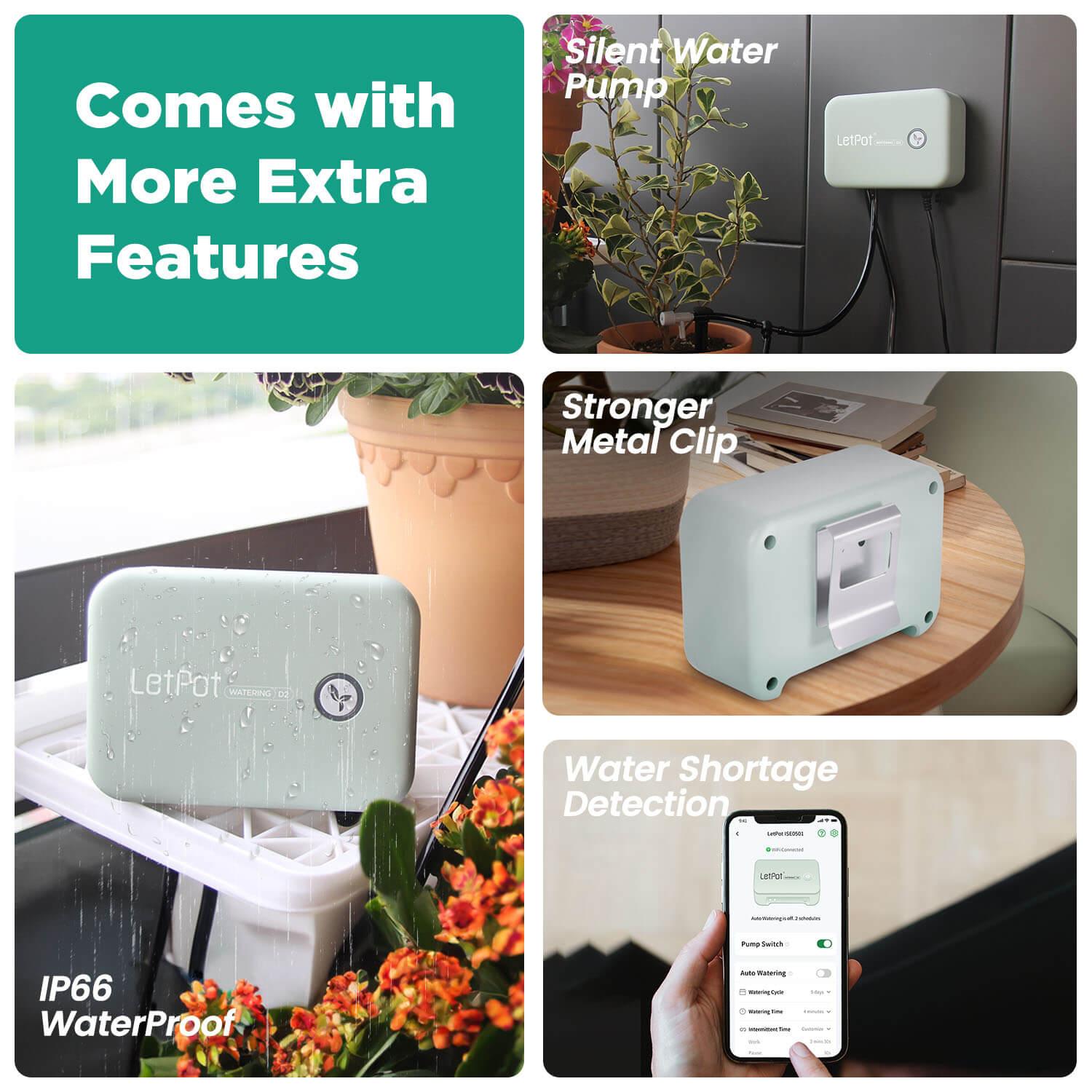
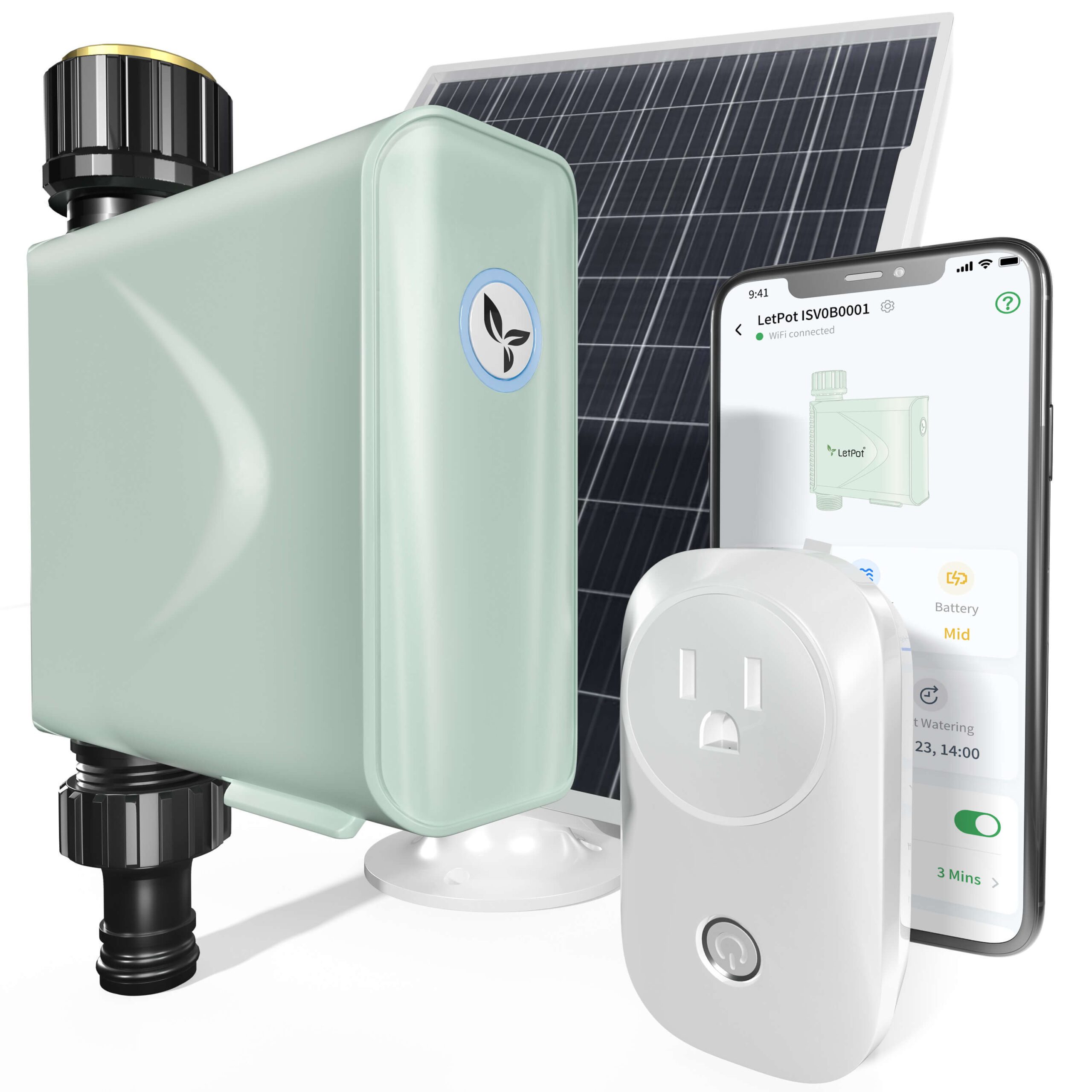
What They Are: Drip lines, soaker hoses, or spike systems that can be connected to a timer or a smart controller.
How They Work: They deliver water directly to the base of your plants on a set schedule or based on sensor data (e.g., soil moisture sensors).
Best For: Gardeners with multiple existing plants, outdoor gardens, raised beds, or container collections who want to automate the watering chore.
Unique Insight: You can create a highly customized “irrigation zone” for different plant types. For example, your succulents on a sunny balcony and your ferns in a shady corner can be on completely different watering schedules from the same system.
Hydroponics: Soil-Free, High-Efficiency Farming
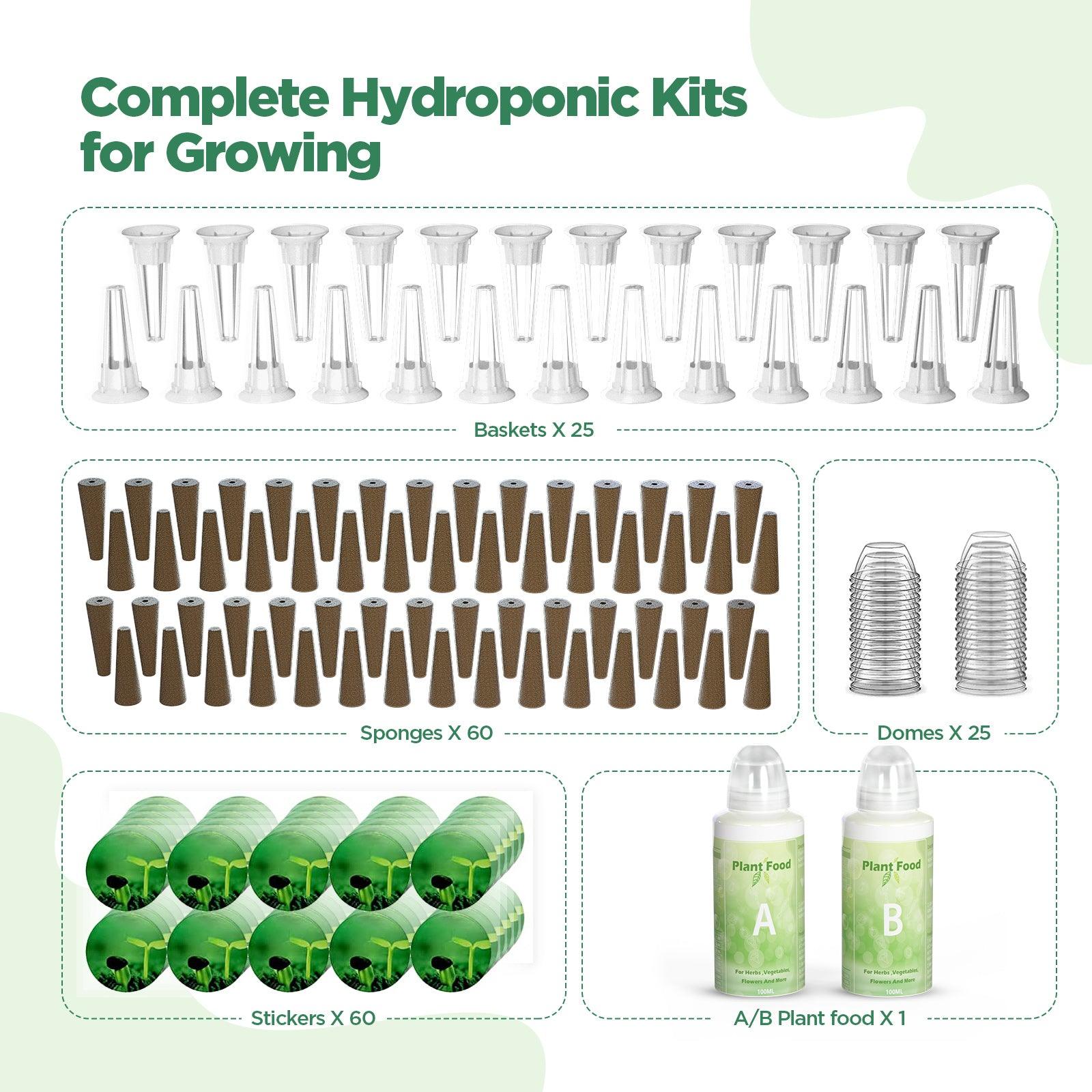
What They Are: Systems that grow plants in a nutrient-rich water solution, often with an inert medium like clay pebbles or rockwool for root support.
How They Work: Plant roots are suspended in or flooded with oxygenated, nutrient-dense water, allowing for direct nutrient uptake.
Best For: Tech enthusiasts, those seeking maximum yield and speed, and gardeners interested in year-round indoor food production.
Unique Insight: Because plants don’t have to expend energy searching for nutrients in soil, they can redirect all their growth energy into producing larger leaves and fruits, a key reason for their accelerated growth rates.
Head-to-Head Comparison: Which is Right for You?
| Feature | Smart Planters | Watering Systems | Hydroponics |
|---|---|---|---|
| Ease of Setup | Very Easy (Plug & Play) | Moderate (Requires Assembly) | Moderate to Complex |
| Initial Cost | Medium (per planter) | Low to Medium (scalable) | Medium to High |
| Maintenance | Low (Refill reservoir, clean sensors) | Low (Check for clogs, adjust timer) | Medium (Monitor pH, nutrient levels) |
| Learning Curve | Low | Low | High |
| Plant Flexibility | Limited by planter size | Highly Flexible (works with any soil plant) | Limited to suitable crops (herbs, greens, etc.) |
| Best Environment | Indoors | Outdoors/Indoors | Primarily Indoors |
| Growth Speed/Yield | Standard | Standard | Very High |
Frequently Asked Questions (FAQs)
Can I use a smart watering system with a smart planter?
Answer: Typically, no. Smart planters are all-in-one ecosystems. A smart watering system is designed to water traditional pots and garden beds.
Is hydroponics more expensive than traditional gardening?
Answer: The initial investment is higher, but it can be more cost-effective over time due to significantly higher yields, faster harvest cycles, and reduced water and nutrient waste.
Do smart planters and hydroponics require special fertilizers?
Answer: Yes. Smart planters often use proprietary nutrient pods or liquid fertilizers designed for their system. Hydroponics must use specific, water-soluble nutrients formulated for soil-less growth, as soil fertilizers can clog systems and lack the right nutrient balance.
Which system is most water-efficient?
Answer: Hydroponics is the clear winner in water efficiency, as the water is recirculated in a closed system with minimal evaporation. Both smart planters (with their reservoirs) and drip irrigation systems are also far more efficient than traditional hand-watering.
Making Your Final Choice
Summarize the key takeaways. When comparing smart planters, watering systems & hydroponics, the best choice depends on your goal:
- For effortless, beautiful indoor plants: Choose a Smart Planter.
- To automate your existing garden: Choose an Automated Watering System.
- For maximum yield and a science project: Dive into Hydroponics.
End with a call-to-action, encouraging the reader to assess their primary pain point and select the technology that best solves it.