Why Start with Container Gardening? The Top Benefits
Overcoming Common Beginner Challenges
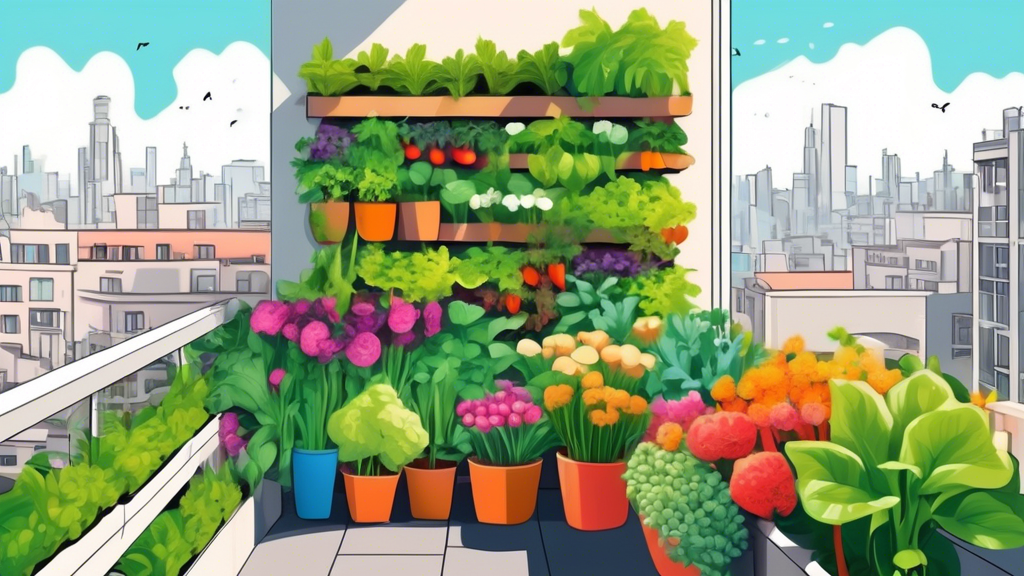
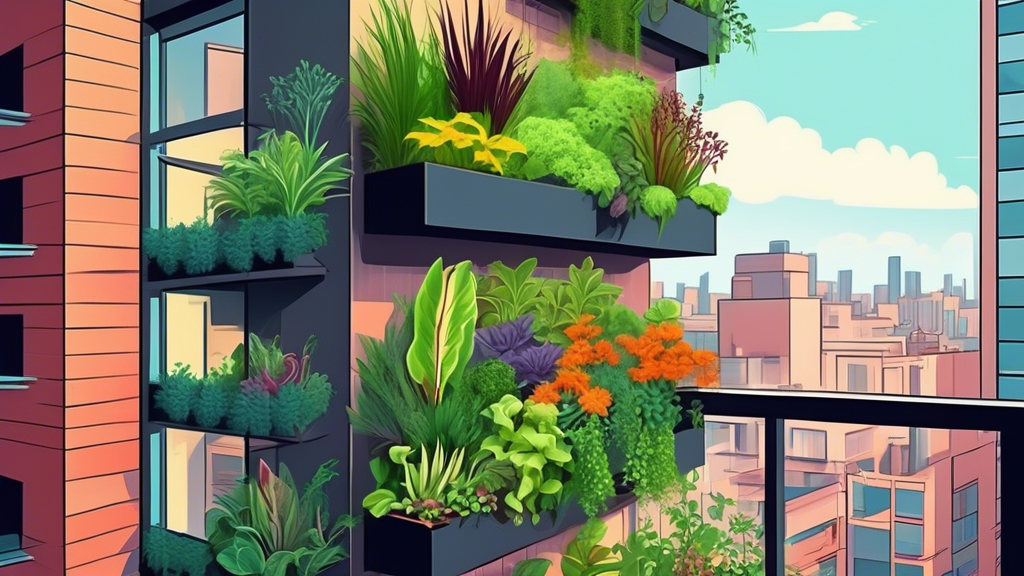
Many aspiring gardeners face hurdles like limited outdoor space or poor soil quality. Container gardening elegantly solves these issues, allowing you to cultivate plants on balconies, patios, windowsills, or even indoors. You gain complete control over the growing environment, from soil composition to sunlight exposure, making it easier to manage and succeed.
A contained garden naturally has fewer weeds and is simpler to protect from pests. Plus, the flexibility to move your pots means you can optimize light conditions or simply rearrange your green space for a fresh look anytime.
Getting Started: Your First Container Garden Setup
Choosing the Right Pot: It’s More Than Just Looks
Selecting the appropriate container is crucial for plant health. Ensure every pot has adequate drainage holes to prevent waterlogged soil and root rot. The size of the container should accommodate the plant’s mature root system to avoid stunted growth.
| Material | Pros | Cons |
|---|---|---|
| Terra Cotta | Breathable, promotes air exchange | Dries out quickly, can crack in frost |
| Plastic & Resin | Lightweight, retains moisture well | Less breathable, can degrade in sun |
| Wood & Fabric | Excellent aeration, prevents circling roots | May require more frequent watering, wood can rot |
| Glazed Ceramic | Attractive, retains moisture | Heavy, often expensive, must have drainage |
The Secret to Thriving Plants: It’s All in the Soil
Never use regular garden soil in containers, as it compacts easily, hindering root growth and drainage. Instead, opt for a high-quality potting mix designed to be lightweight and well-aerated.
Unique Tip: Supercharge Your Soil. Before planting, mix a handful of worm castings or used coffee grounds into your potting mix. This enriches the soil with slow-release nutrients and improves its structure, giving your plants a robust foundation—a little-known trick that boosts health from the start.
Picking the Perfect Plants for Your Pots
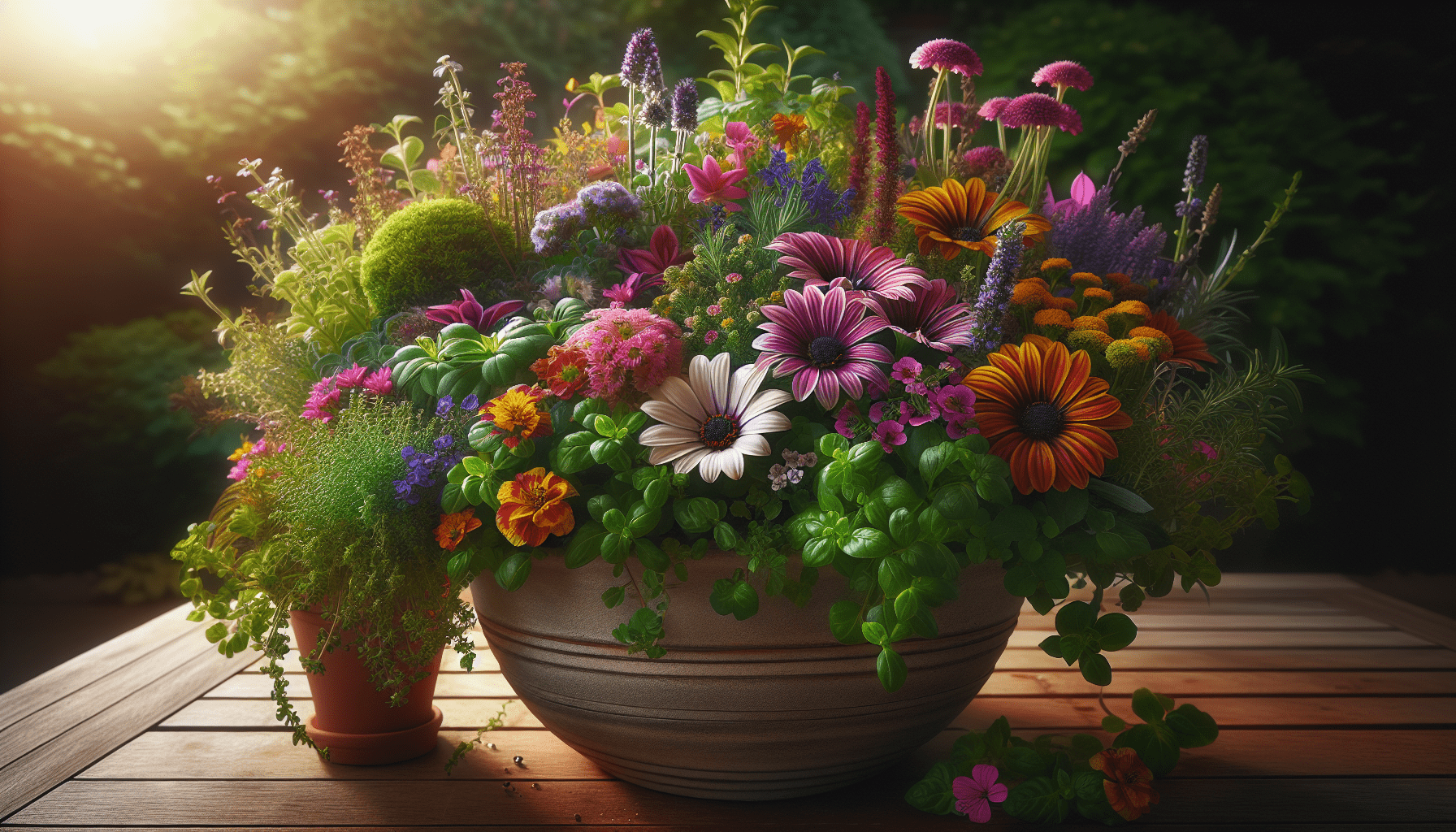
Use the “Thriller, Filler, Spiller” design method for visually appealing arrangements: a tall centerpiece (Thriller), mid-height plants to bulk it out (Filler), and trailing plants to soften the edges (Spiller).
For beginners, easy-to-grow vegetables include lettuce, cherry tomatoes, peppers, and radishes. Reliable flowers like petunias, marigolds, zinnias, and impatiens offer vibrant color with minimal fuss. Always match your plant choices to the sunlight your space receives—full sun, partial shade, or full shade.
Essential Care and Maintenance
Watering Wisdom: How to Avoid Drowning or Thirsty Plants
Perform the simple “finger test” by inserting your finger about an inch into the soil; if it feels dry, it’s time to water. Water deeply but less frequently to encourage roots to grow downward, creating stronger plants.
Watch for signs of trouble: yellowing leaves often indicate overwatering, while wilting and bone-dry soil point to underwatering. Adjust your routine based on weather and season.
Feeding Your Plants: They Get Hungry Too!
Nutrients in containers leach out with each watering, so regular fertilizing is essential. Compare liquid fertilizers, which act quickly but require frequent application, with slow-release granules that provide steady nutrition over months for lower maintenance.
Keeping Your Garden Healthy
Deadhead spent flowers by pinching them off to encourage more blooms. For pest control, inspect leaves regularly and use organic solutions like neem oil or insecticidal soap for common invaders like aphids.
Troubleshooting Common Container Gardening Problems
Why Are My Plant’s Leaves Turning Yellow?
Yellow leaves can signal overwatering, poor drainage, or nutrient deficiencies. Check soil moisture and ensure your pot has proper drainage holes.
My Plant is Wilting, But the Soil is Wet! (Root Rot)
This is a classic sign of root rot caused by waterlogged soil. Improve drainage, reduce watering frequency, and consider repotting with fresh, dry mix if severe.
Why Isn’t My Plant Flowering or Producing Veggies?
Likely causes include insufficient sunlight, lack of nutrients, or stress from improper watering. Ensure your plants get at least 6 hours of sun daily and are fed appropriately.
Frequently Asked Questions (FAQs)
How often should I water my container garden?
There’s no one-size-fits-all answer. Factors like plant type, pot material, and weather affect watering needs. Check soil moisture with your finger every day or two to determine when to water.
Can I reuse potting soil from last year?
Yes, but refresh it first. Remove old roots and debris, then mix in 30-50% new potting mix and a slow-release fertilizer to replenish nutrients for the new season.
What are the best containers for growing vegetables?
Larger containers work best for most vegetables. Options like 5-gallon buckets (with drainage holes drilled), fabric grow bags, or wooden planters provide ample space for roots of tomatoes, peppers, and other edibles.
Do I need to put rocks at the bottom of the pot for drainage?
This is a widespread misconception. Adding rocks can actually create a “perched water table” that impedes drainage. A single, unobstructed drainage hole is sufficient and more effective.