Why Your Garden is Thirsty: Common Watering Challenges
The High Cost of a Green Lawn
Maintaining a traditional turf grass lawn is one of the most significant water expenses for a homeowner. In dry climates, a lawn can consume thousands of gallons of water weekly, leading to shockingly high utility bills and placing a strain on local water resources, especially during drought restrictions.
Watering Woes and Runoff
It’s frustrating to water your garden only to see the moisture evaporate in the heat or run off the surface of compacted, poor-quality soil. This means the water never reaches the plant roots where it’s needed, making your watering efforts inefficient and wasteful.
The Vicious Cycle of Plant Loss
Planting species that aren’t suited for dry conditions leads to a disappointing and expensive cycle. Plants wilt, become stressed, and eventually die, forcing you to constantly replace them. This not only hurts your wallet but also prevents your garden from ever establishing a mature, resilient look.
The Core Principles of a Water-Wise Landscape
Planning and Zoning: The Key to Efficiency
The foundation of water-wise gardening is “hydrozoning.” This involves grouping your plants into specific areas based on their water needs. You might have a high-water-use zone close to the house for a few prized plants and low-water zones further out. This allows you to water each zone precisely, eliminating waste.
Soil is Everything: It’s Not Just Dirt
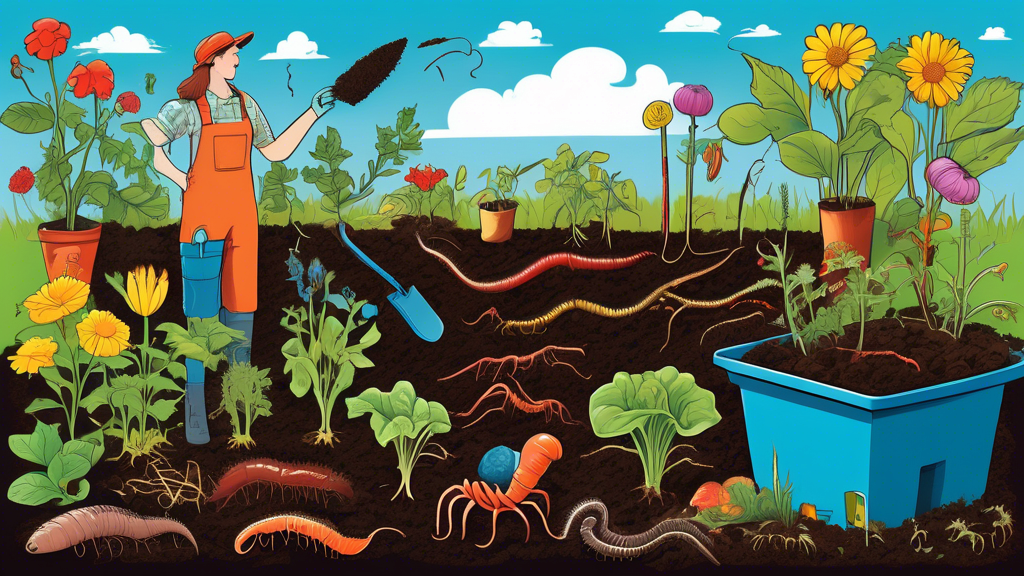
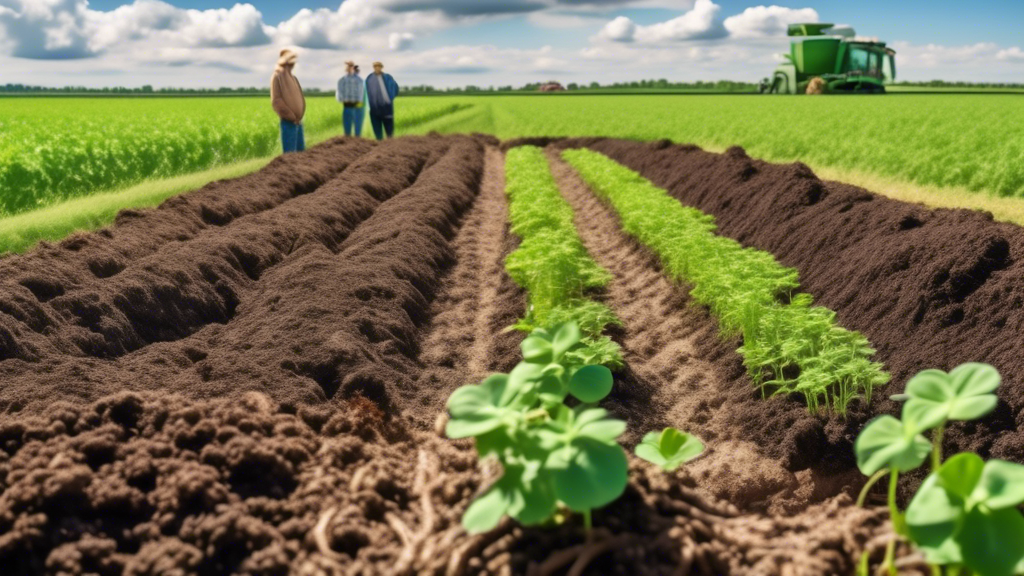
Healthy soil is the secret weapon of a drought-resistant garden. A unique insight many gardeners overlook is that healthy soil acts like a sponge. By incorporating organic matter like compost, you can improve soil structure, allowing it to absorb and retain significantly more water. Well-amended soil can reduce your watering frequency by up to 50% compared to poor, compacted soil.
The Right Plant for the Right Place
Success lies in choosing plants that are naturally adapted to your local climate. Native plants and those labeled “drought-tolerant” have evolved strategies to survive with minimal water, such as deep root systems or leaves that reduce moisture loss.
How to Implement Your Drought-Resistant Garden: A Step-by-Step Guide
Step 1: Audit Your Site and Soil
Start by observing your yard throughout the day. Note areas of full sun, partial shade, and full shade. Pay attention to slopes where water may run off. A simple soil test or percolation test (dig a hole, fill it with water, and see how long it takes to drain) will tell you a lot about your soil’s health.
Step 2: Design Your Hydrozones
Sketch a simple map of your yard and divide it into three zones:
- High-Water Zone: Small area for vegetables or delicate annuals.
- Moderate-Water Zone: For established perennials and some shrubs.
- Low-Water Zone: The largest area, dedicated to native and highly drought-tolerant plants.
Step 3: Improve Your Soil’s Sponge Factor
Work a 3 to 4-inch layer of compost into your planting beds to a depth of at least 6-8 inches. This single step is the most impactful thing you can do to boost your garden’s water retention.
Step 4: Select and Source Your Plants
Choose plants known for their drought tolerance. Here is a table of excellent options by category:
| Category | Plant Examples |
|---|---|
| Flowering Perennials | Lavender, Russian Sage, Sedum, Yarrow, Penstemon |
| Ornamental Grasses | Blue Fescue, Fountain Grass, Mexican Feather Grass |
| Shrubs | Manzanita, Ceanothus, Rock Rose, Butterfly Bush |
| Ground Covers | Thyme, Creeping Rosemary, Ice Plant, Prostrate Rosemary |
Step 5: Install Efficient Irrigation (If Needed)
If you use irrigation, drip systems or soaker hoses are vastly superior to sprinklers. They deliver water directly to the base of the plant, minimizing evaporation and runoff. They are best used in your high and moderate hydrozones.
Step 6: Mulch, Mulch, Mulch!
Apply a 3-inch layer of organic mulch (like wood chips or bark) over your soil. Mulch is a powerhouse that conserves soil moisture, suppresses water-stealing weeds, and keeps soil temperatures even.
Drought-Tolerant vs. Thirsty Plants: A Side-by-Side Comparison
The Lawn Replacement Showdown
Let’s compare a traditional lawn to a water-wise alternative:
| Aspect | Traditional Kentucky Bluegrass Lawn | Drought-Tolerant Buffalo Grass Lawn |
|---|---|---|
| Water Needs | High (over 1 inch per week) | Low (thrives on rainfall in many regions) |
| Mowing Frequency | Weekly | Monthly or less |
| Long-Term Cost | High (water, fertilizer, mowing) | Low (minimal inputs once established) |
Flowering Shrubs: A Tale of Two Personalities
While a classic Hydrangea requires consistently moist, rich soil and will wilt dramatically without it, a Russian Sage thrives in hot, dry, poor soil and blooms profusely with minimal care, all while attracting pollinators.
Beyond the Basics: Unique Water-Wise Strategies
Harvest the Sky: Rainwater Collection
Installing a rain barrel at your downspout is a simple and effective way to capture free, chemical-free water from your roof. This water is perfect for watering container plants or giving your garden a drink during dry spells.
Let Your Lawn Go Dormant
A unique insight many homeowners don’t know is that most cool-season grasses are designed to go dormant (turn brown) during summer heat and drought. This is a natural survival mechanism, not death. The crown of the grass plant remains alive underground. With just a half-inch of water every 2-3 weeks to keep the crown hydrated, it will green up again with cooler temperatures and autumn rains, saving thousands of gallons of water over the summer.
Frequently Asked Questions About Drought-Resistant Gardening
Does a drought-resistant garden mean a yard full of rocks and cacti?
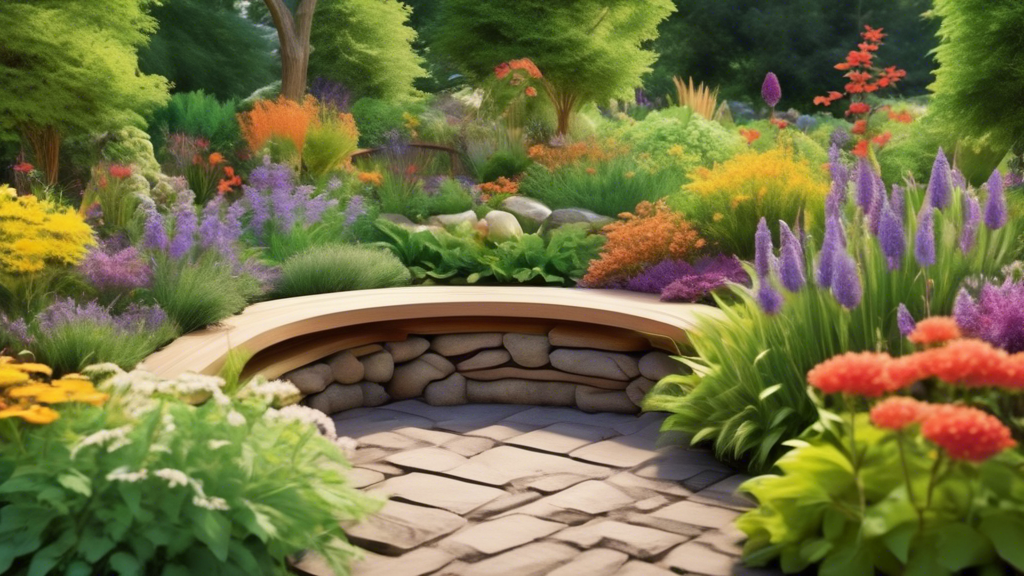
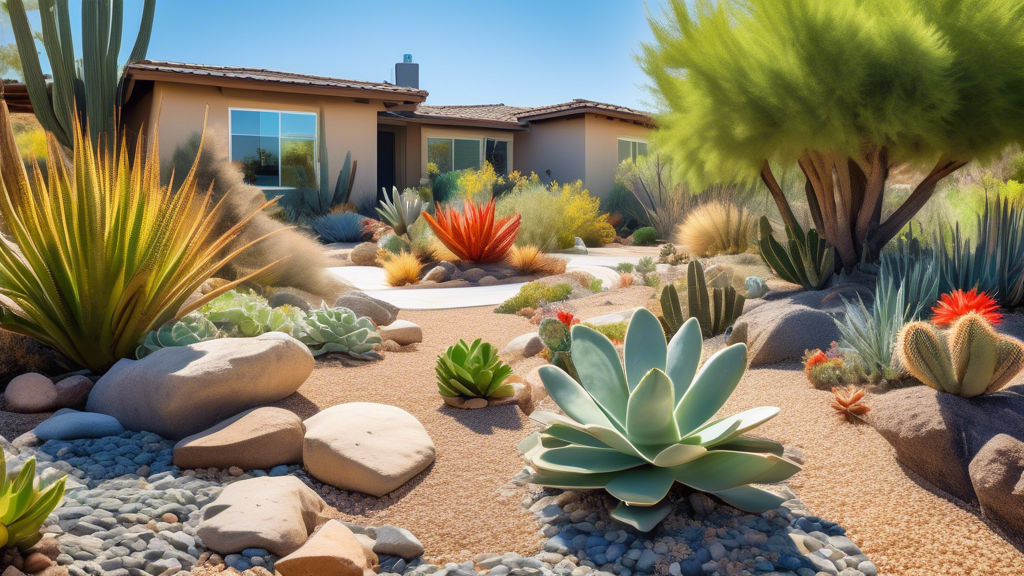
Absolutely not. This is a common misconception. Modern xeriscaping and water-wise design focus on lush, layered landscapes filled with a diverse palette of flowering perennials, ornamental grasses, and shrubs that provide year-round color and texture.
Is it more expensive to start a water-wise landscape?
There can be initial costs for soil amendments, plants, and possibly new irrigation. However, this is an investment. You will see significant and ongoing savings on your water bill, and you’ll spend less on fertilizers, pesticides, and lawn maintenance, making it cost-effective in the long run.
How long until my new drought-tolerant plants are established?
This is a critical point. Even drought-tolerant plants need consistent, deep watering for their first full growing season (or sometimes two) to develop the deep, extensive root systems that make them self-sufficient. Once established, they will require far less attention.
Can I have any grass in a water-wise landscape?
Yes, you can! The key is to be strategic. Limit the amount of turf, place it in a “moderate water” hydrozone where you’ll use it for recreation, and choose a drought-tolerant variety like Buffalo Grass, Bermuda Grass, or a UC Verde Buffalo Grass blend.
Conclusion: Your Beautiful, Resilient Oasis Awaits
Creating a drought-resistant garden is one of the most rewarding projects a homeowner can undertake. It’s a proactive step toward sustainability that saves you water, time, and money. By following these principles, you can transform your yard into a beautiful, resilient landscape that thrives in harmony with your local climate, providing a personal oasis and a habitat for local wildlife for years to come.