The Gardener’s Fall Mindset: Preparation for Future Growth
Many gardeners see fall as a time to put everything away, leading to a frantic and difficult cleanup and a weak start in spring.
Why Your Fall Effort is a Gift to Your Future Self
Explain how tasks done now reduce pests, diseases, and weeding later. Frame it as an investment that pays dividends in beauty and yield.
The Essential Fall Cleanup & Reset
The Great Debris Debate: To Clean or Not to Clean?
Compare a “sterile” cleanup vs. a “wildlife-friendly” cleanup.
| Sterile Cleanup | Wildlife-Friendly Cleanup |
|---|---|
| Removing all plant debris to eliminate overwintering sites for pests and diseases. Best for vegetable gardens and areas with known blight or mildew issues. | Leaving some seed heads, stalks, and leaf piles to provide food and habitat for beneficial insects, birds, and pollinators. |
Recommendation: A balanced approach—clean up diseased plants thoroughly, but leave some healthy, structured plants for wildlife.
Smart Leaf Management: From Nuisance to Nutrient Gold
The overwhelming volume of fallen leaves can be a major headache.
Explain different uses:
- Create Leaf Mold: The unique, lesser-known technique. Simply pile leaves in a shaded corner or in perforated bags, keep them moist, and in 1-2 years, you have a fantastic, free soil amendment.
- Shred for Mulch: Run over leaves with a mower to create a protective winter mulch for flower beds.
- Add to Compost: A great “brown” material to balance “green” kitchen scraps.
Planting & Sowing for a Jump on Spring
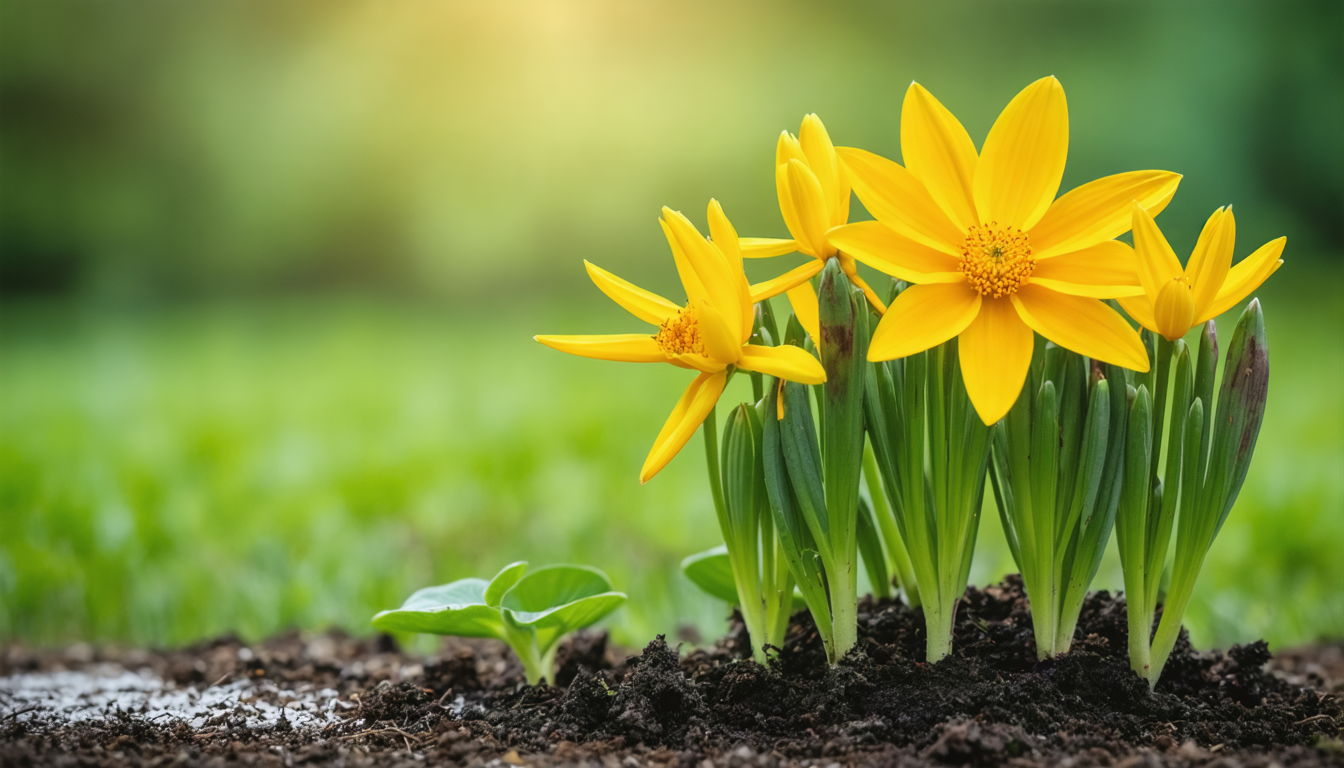
Spring Bulbs: The Non-Negotiable Fall Task
The simple rule of thumb: Plant at a depth 3x the height of the bulb.
Pro Tip: To deter squirrels, plant bulbs and then lay a piece of chicken wire flat over the soil before covering with mulch. They hate digging on it.
Don’t Put Away Those Seeds! Fall Sowing for Hardy Annuals & Perennials
Many gardeners don’t know that some seeds *require* a period of cold, wet stratification to germinate. This is a natural process that breaks seed dormancy.
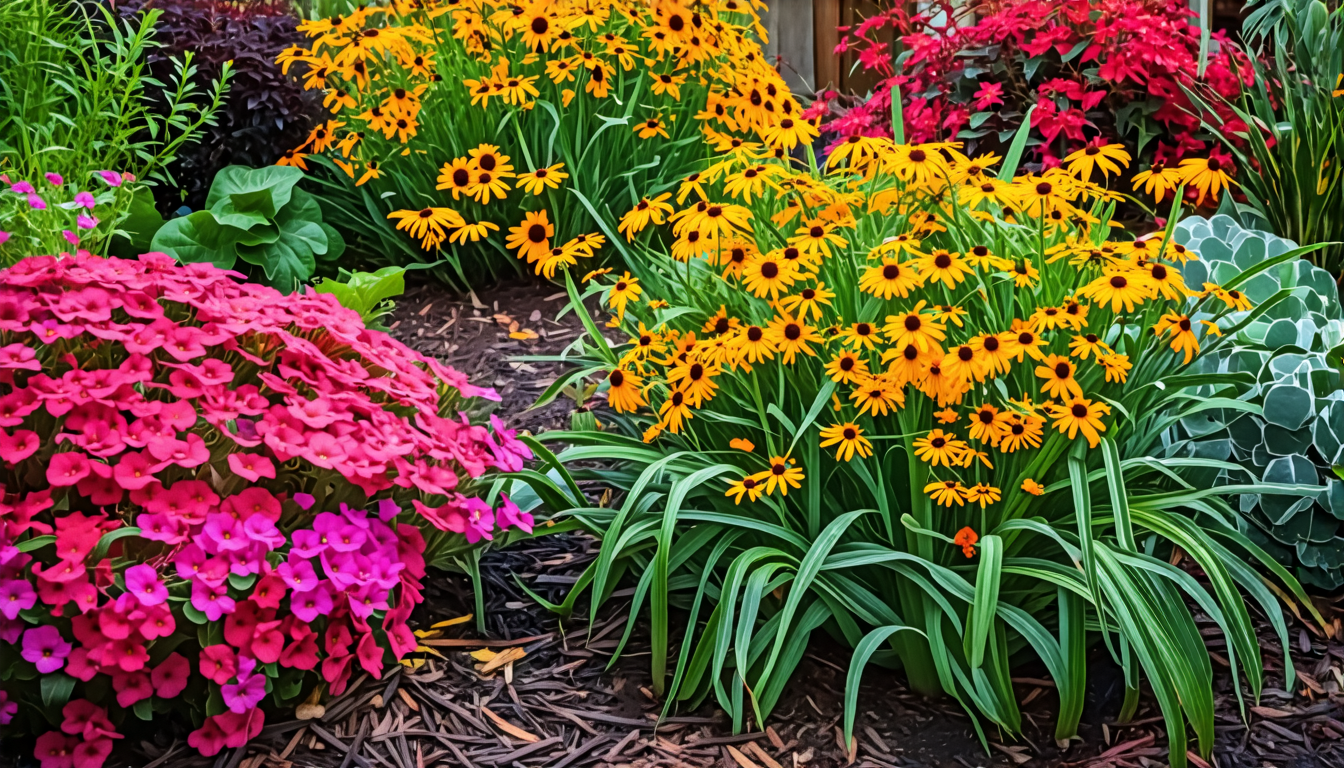
List plants perfect for fall sowing: Poppies, Milkweed, Lavender, Black-Eyed Susans.
Explain the “winter nursery” effect: seeds naturally stratify and are ready to sprout at the perfect time in spring.
Soil Care: The Foundation of a Thriving Garden
The Fall Soil Test – Your Garden’s Annual Physical
Guessing what your soil needs leads to wasted money on amendments and poor plant health.
Explain why fall is the best time to test and amend soil—additions have all winter to integrate and break down, becoming readily available for spring roots.
To Till or Not to Till? Protecting Your Soil’s Ecosystem
Compare tilling vs. no-till methods in the fall.
| Tilling | No-Till (Recommended) |
|---|---|
| Can disrupt soil structure and harm earthworms and beneficial fungi. Sometimes necessary for incorporating large amounts of compost in new beds. | Simply top-dress with compost, manure, and other amendments. The soil life will naturally incorporate it, preserving its delicate structure and fungal networks. |
Protecting Your Plants Through the Cold
The Art of Mulching: Timing is Everything
Emphasize that mulching too *early* can invite rodents to nest and prevent the soil from properly hardening off, which can actually harm plant roots.
The golden rule: Apply winter mulch *after* the ground has frozen.
Tender Plant Strategies: To Dig Up or to Cover?
Provide a quick guide:
- Dig Up & Overwinter Indoors: Dahlias, Cannas, Tropicals.
- Heavy Mulching or Covering: Roses, Fig Trees, Hardy Fuchsias.
Essential Fall Gardening Techniques FAQ
When is the absolute best time to start my fall gardening?
Start after the first light frost has killed back annuals but before the ground freezes hard.
Should I cut back all my perennials in the fall?
No. Leave ornamental grasses and perennials with strong seed heads (like Echinacea) for winter interest and wildlife food. Cut back floppy or diseased perennials.
Is it too late to fertilize my lawn in the fall?
It’s the *best* time! A fall fertilizer with slow-release nitrogen encourages strong root development without top growth, leading to a lush, green lawn in spring.
What is the one most overlooked fall task?
Cleaning and oiling your tools. Properly storing your tools prevents rust and extends their life, making your first spring tasks much more pleasant.
Conclusion: Your Thriving Spring Garden Starts Now
Reiterate the core message: By investing time in these essential fall gardening techniques for a thriving seasonal transition, you are setting the stage for a garden that will burst into life with less effort and more success next year. End with an encouraging call to action to get outside and enjoy the crisp autumn air while gardening.