Introduction: Why September is Your Garden’s Most Critical Month
As the vibrant abundance of summer gives way to autumn’s crisp air, your garden enters a pivotal transitional phase. Proactive work in September is not merely about tidying up; it’s about strategic preparation that prevents future problems and sets the stage for a spectacularly vibrant spring. This is the perfect time to execute these essential gardening activities to prepare your garden for fall and winter.
Tending to Your Flower Beds & Perennials
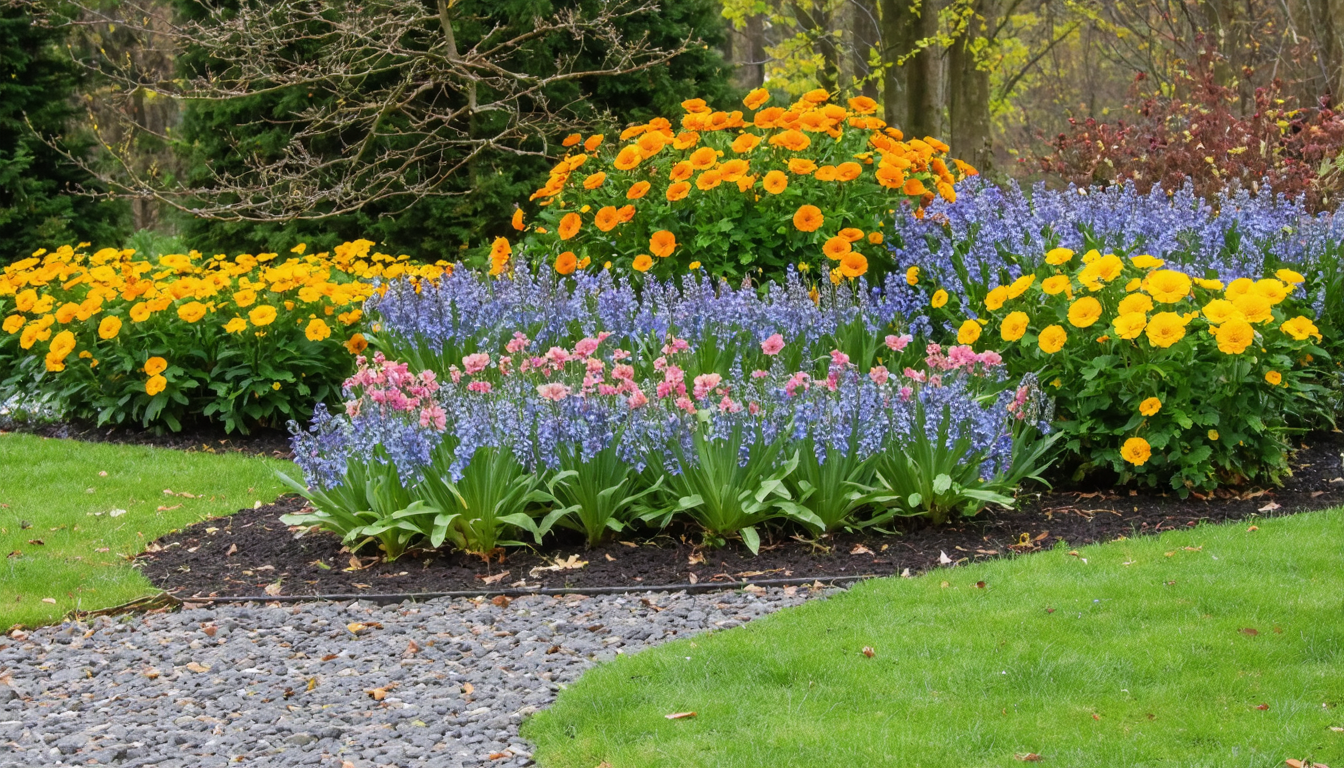
This is the time to rejuvenate your ornamental spaces, ensuring they enter the dormant season healthy and ready for a strong return.
“My garden looks tired and messy at the end of summer.”
The solution is a strategic cleanup, not a complete scorched-earth policy. Leaving some structure benefits wildlife and protects certain plants.
Deadheading and Pruning for a Final Flourish
Selectively deadhead flowers like roses and dahlias to encourage a final burst of blooms. However, leave seed heads on plants like coneflowers and sunflowers to provide crucial food for birds throughout the winter.
Dividing and Transplanting Overcrowded Perennials
If your perennials like daylilies or hostas are flowering less in the center or look crowded, it’s time to divide them. Gently dig up the clump, separate it into smaller sections with healthy roots and shoots, and replant them to rejuvenate their growth.
Preparing Your Vegetable Garden for the Cold
Transition your vegetable patch from summer favorites to hardy cool-season crops and set the stage for next year’s fertility.
“I don’t know what to do with my finished summer crops.”
Clear out spent plants, add them to your compost (unless diseased), and use the newly available space to plant for a late-fall or early-spring harvest.
Harvesting the Last of Your Summer Bounty
Encourage your final tomatoes and peppers to ripen by pinching off new flowers. For green tomatoes, you can harvest them and ripen them indoors on a windowsill or use them for delicious fried green tomatoes.
Planting Your Fall & Winter Crop Champions
September is prime planting time for a second harvest. Here’s a comparison of what you can plant:
| Fast-Growing (Harvest in Late Fall) | Overwintering (Harvest in Early Spring) |
|---|---|
| Spinach | Garlic |
| Radishes | Onions |
| Arugula | Kale |
The Unique Tip: Boost Soil Life with a “Green Manure” Cover Crop
A secret weapon for serious gardeners is sowing a cover crop like winter rye or crimson clover in empty beds. These “green manures” suppress weeds, prevent soil erosion, and, most uniquely, fix nitrogen from the air into the soil. When you till them under in spring, they decompose and release this nitrogen, acting as a powerful, natural fertilizer that revitalizes your soil food web.
Lawn Care: Building a Resilient Foundation
The cooler temperatures and moist soil of autumn create the ideal environment for strengthening your lawn.
“My lawn is thin and patchy after the summer heat.”
Autumn is unequivocally the best time for lawn repair. The conditions are perfect for seed germination and root establishment without the intense competition from summer weeds.
Aeration and Overseeding for a Lush Spring Lawn
Fall aeration is more effective than spring aeration because it relieves soil compaction and allows water, air, and nutrients to reach the grass roots just as they are entering their peak growth phase. Follow aeration by overseeding with a grass mix suitable for your region to fill in bare spots and create a thick, resilient turf.
Your Final Fertilization: Feeding the Roots, Not the Blades
Apply a fall-specific, slow-release fertilizer. This formulation is crucial because it promotes deep root development rather than top-growth, ensuring your lawn has strong reserves to survive the winter and green up beautifully in the spring.
Protecting Trees, Shrubs, and Soil
Focus on long-term health and protection for the largest and most permanent elements of your garden.
Hold Off on Major Pruning
Avoid heavy pruning of most trees and shrubs in the fall. Pruning can stimulate tender new growth that will be killed by the first hard frost, wasting the plant’s energy and creating entry points for disease.
The Power of Mulching: A Winter Blanket for Your Garden
A fresh layer of mulch acts as an insulating blanket, protecting plant roots from freeze-thaw cycles and conserving soil moisture. Here’s a comparison of effective types:
| Mulch Type | Best Use & Benefits |
|---|---|
| Shredded Bark/Leaves | Excellent for insulation and moisture retention around trees, shrubs, and perennial beds. |
| Straw | Great for vegetable gardens and around strawberry plants as it’s light and effective. |
| Avoid: Stone/Rubber | These do not provide insulation and can actually make soil colder. |
A Final Deep Watering for Woody Plants
Especially for evergreens, give your trees and shrubs a deep, thorough watering before the ground freezes. Hydrated plants are far more resistant to “winter burn,” which is caused by dry winds and frozen soil preventing water uptake.
Tool Care and Garden Shed Tidy-Up
A little effort now will make your first spring gardening day a pleasure instead of a chore.
“I always start spring with rusty, dirty tools.”
A small investment of time in the fall saves money, time, and frustration when spring arrives. Clean tools are more effective and prevent the spread of disease.
Cleaning, Sharpening, and Storing Tools Properly
Wash off all soil, sharpen the blades of pruners and spades with a file, and wipe metal surfaces with an oiled rag to prevent rust. Store them in a dry place.
Safely Storing Potions: What to Do with Leftover Fertilizers and Pesticides
Ensure all product lids are tightly sealed. Store liquids in a place where they will not freeze. Safely dispose of any old, unidentified, or banned chemicals at a local household hazardous waste facility.
Frequently Asked Questions (FAQs)
Is it too late to plant anything in September?
No! It’s the perfect time for spring-flowering bulbs (tulips, daffodils), garlic, trees, shrubs, and many cool-weather vegetables listed above.
Should I cut back all my perennials in the fall?
Not all. Ornamental grasses and perennials with seed heads provide winter interest and food for birds. Cut back diseased or floppy plants, but leave healthy, structured ones until spring.
When is the best time to apply fall lawn fertilizer?
The ideal window is typically from late August through September, when temperatures have cooled but the grass is still actively growing.
How can I protect my delicate container plants from frost?
Move them to a garage, shed, or against a sheltered, south-facing wall. For heavy pots, wrap the container in bubble wrap or burlap to insulate the roots.
What is the single most important task I should do this September?
Thoroughly clean up fallen fruit and diseased plant debris from your garden beds and lawn. This simple act breaks the life cycle of overwintering pests and diseases, giving you a much healthier start next year.
Conclusion: Your September Effort Guarantees a Spectacular Spring
The work you do in the beautiful, cooler days of September is a gift to your future self. Each task, from planting a bulb to cleaning a tool, is an investment that will pay dividends in a healthier, more vibrant, and more beautiful garden next year. Enjoy the process of tucking your garden in for its well-deserved winter rest.