Introduction: Why September is Your Garden’s Pivotal Month
As the vibrant energy of summer begins to wane, September presents a unique window of opportunity for every gardener. This is not merely a time for closing down the season but a critical period for investing in your garden’s future vitality. The tasks you complete now lay the foundation for a resilient garden that will reward you with beauty and bounty in the seasons to come.
The Harvest Hustle: Making the Most of Summer’s Bounty
Dealing with Overripe or Wasted Vegetables
Daily harvesting of crops like tomatoes, peppers, and squash encourages continued production and prevents waste. Look for uniform color and a slight give when gently pressed to determine peak ripeness.
Preserving Your Harvest
Extend the life of your produce through simple preservation methods. Herbs can be dried or frozen, while vegetables like beans and peppers are excellent for freezing or canning.
Planting for Promise: Sowing the Seeds of Spring and Fall
The Spring Bulb Spectacle
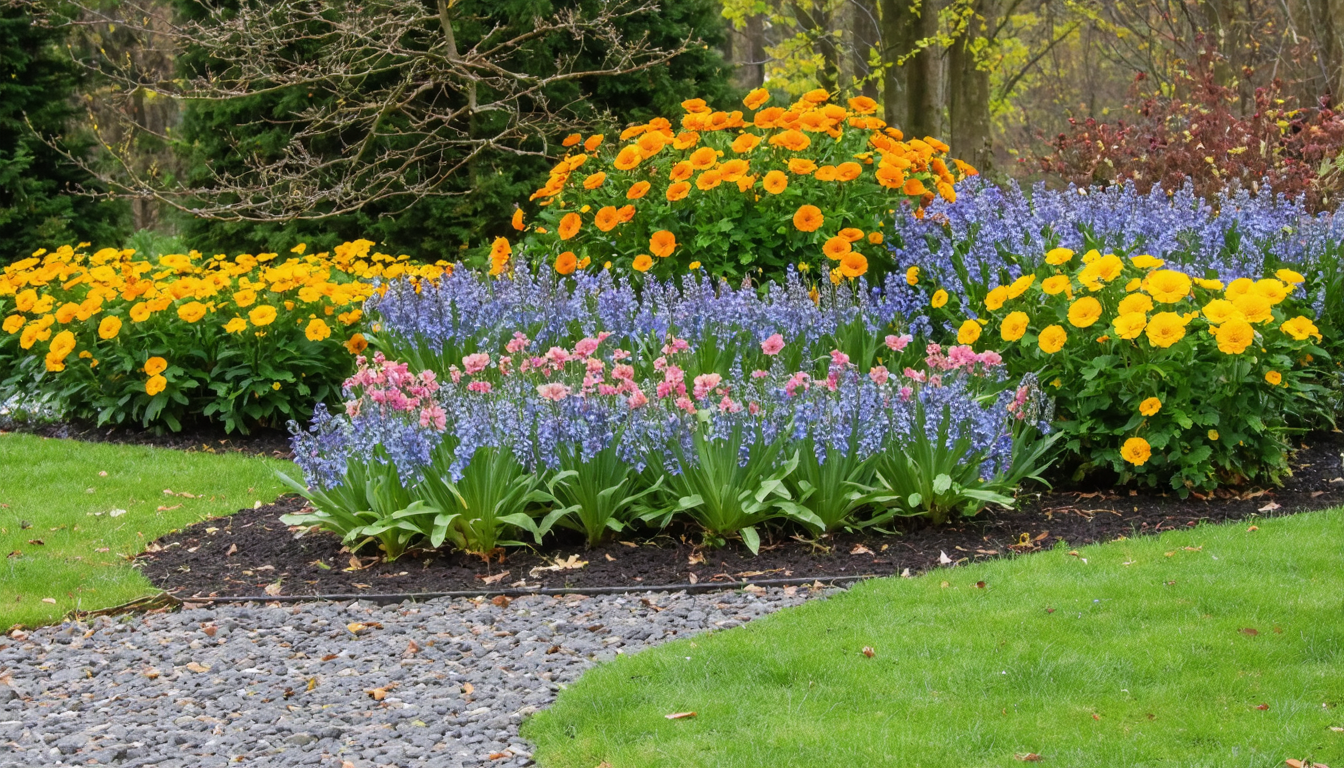
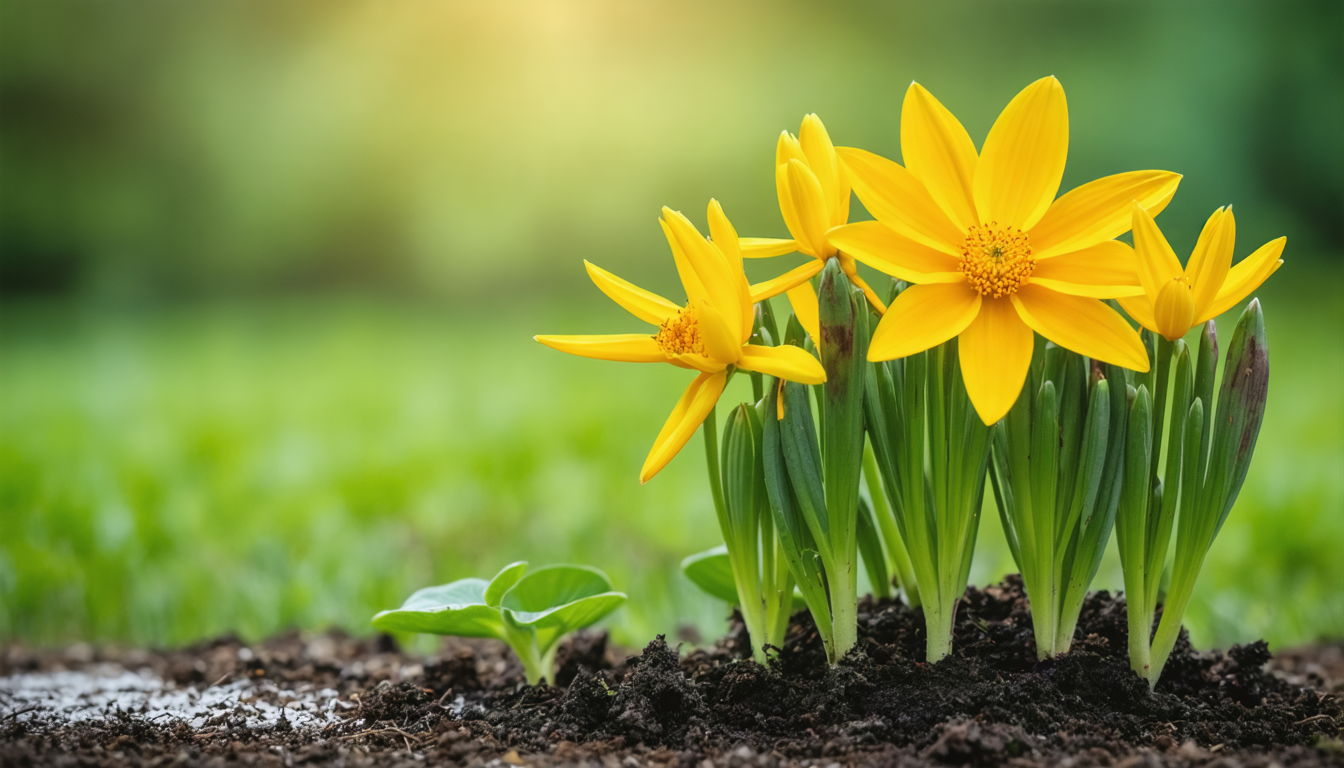
Plant spring-flowering bulbs such as tulips and daffodils now for a stunning display next year. For a more natural, impactful look, try planting bulbs in clusters or “bouquets”—placing several bulbs in a single, larger hole—rather than in rigid, single-file rows.
Cool-Season Crop Champions
September is ideal for sowing cool-season vegetables that thrive in milder temperatures.
| Crop Type | Planting Time | Sunlight Needs | Frost Tolerance |
|---|---|---|---|
| Cool-Season (e.g., Kale, Spinach) | Late Summer to Early Fall | Full Sun to Partial Shade | High |
| Warm-Season (e.g., Tomatoes, Peppers) | Spring after last frost | Full Sun | Low |
The Great Garden Cleanup: Tidy Now, Thrive Later
Preventing Diseases and Pests from Returning
Remove diseased foliage and fallen fruit diligently to disrupt the life cycle of pests and pathogens. Discard severely affected plants like those with blight, but consider leaving healthy seed heads to provide food for birds during the colder months.
Weeding: The Final Offensive
A thorough weeding session now prevents weeds from seeding and multiplying, saving you significant effort next spring.
Soil Care is Self-Care (For Your Garden)
The Art of Amending
Test your soil’s pH and nutrient levels, then enrich it by incorporating compost or well-rotted manure to replenish essential elements.
To Till or Not to Till? A Unique Approach
Consider adopting a no-till method: instead of turning the soil, apply a thick layer of compost on the surface. This technique preserves the intricate network of beneficial organisms—such as mycorrhizal fungi and earthworms—that contribute to soil health, resulting in a more robust garden ecosystem with reduced labor.
Lawn and Landscape Love
Revitalize Your Lawn
Perform core aeration and overseed with a cool-season grass blend. Apply a fall-specific fertilizer to promote deep root growth and enhance winter hardiness.
Planting and Dividing Perennials
Divide overcrowded perennials like hostas and daylilies to rejuvenate them. It’s also an excellent time to plant new trees and shrubs, allowing their roots to establish before the ground freezes.
Tool Time: Pre-Winter Maintenance
Addressing Rusty and Dull Tools
Clean, sharpen, and oil your gardening tools—including pruners, shovels, and mower blades—before storing them for the winter. This proactive care ensures they are ready for use when spring arrives.
Frequently Asked Questions (FAQs)
When should I stop watering my garden in the fall?
Continue deep watering, especially for newly planted trees, perennials, and bulbs, until the ground freezes. Proper hydration helps plants endure winter stress.
Should I cut back all my perennials in September?
Not necessarily. Leave ornamental grasses and perennials with seed heads, such as coneflowers, intact to provide winter interest and food for wildlife. Delay major pruning until early spring.
Is it too late to fertilize my plants?
For most plants, yes. Fertilizing now can stimulate vulnerable new growth that may be damaged by frost. The exception is your lawn, which benefits from a fall fertilizer application.
Conclusion: Reap the Rewards of Your Labor
By dedicating time to these essential September tasks, you are not just preparing your garden for fall but setting the stage for a flourishing future. Embrace the satisfaction of a well-tended garden and look forward to the vibrant growth that your efforts will inspire in the coming year.