October’s Prime Objectives: Planting and Protecting
Planting for Spring Blooms (It’s Not Too Late!)
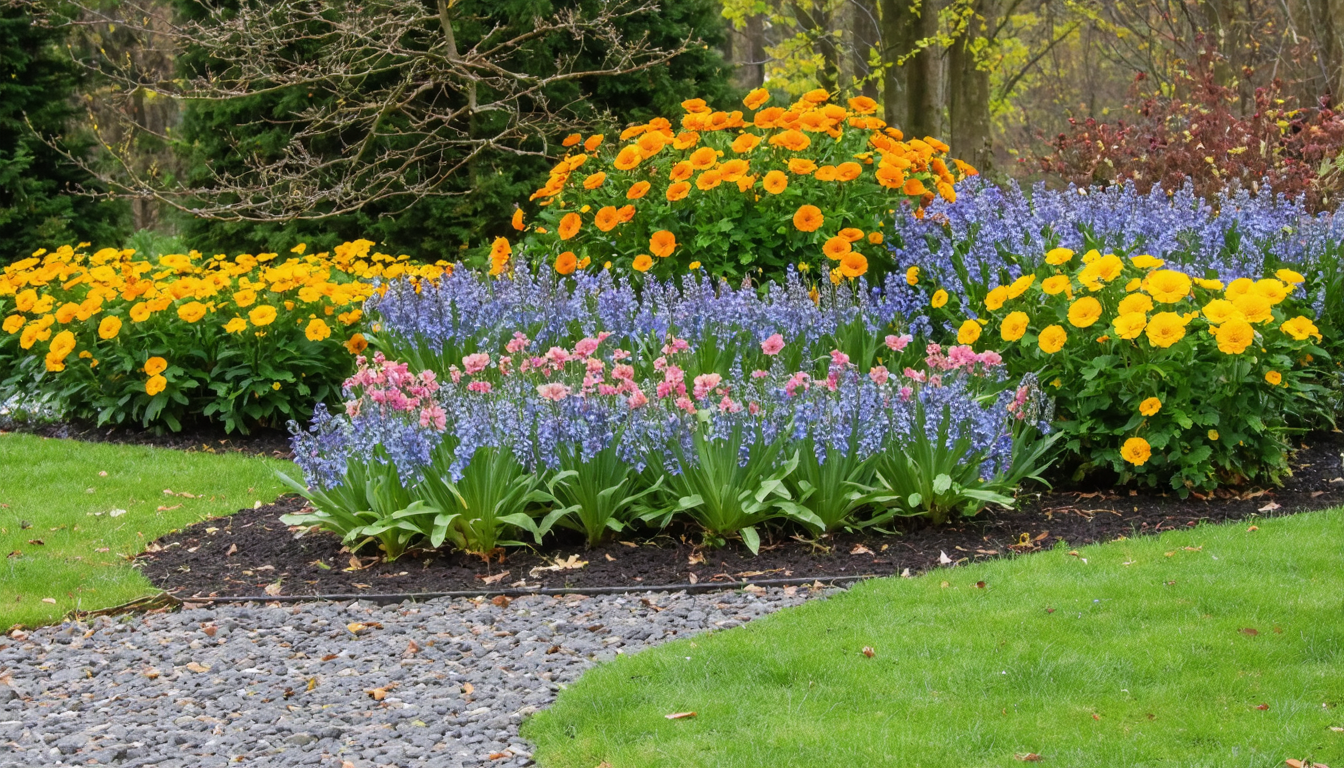
Many gardeners fear they’ve missed their chance for spring color, but October is the perfect time to plant. The soil is still workable but cool, which is ideal for root establishment without the stress of summer heat.
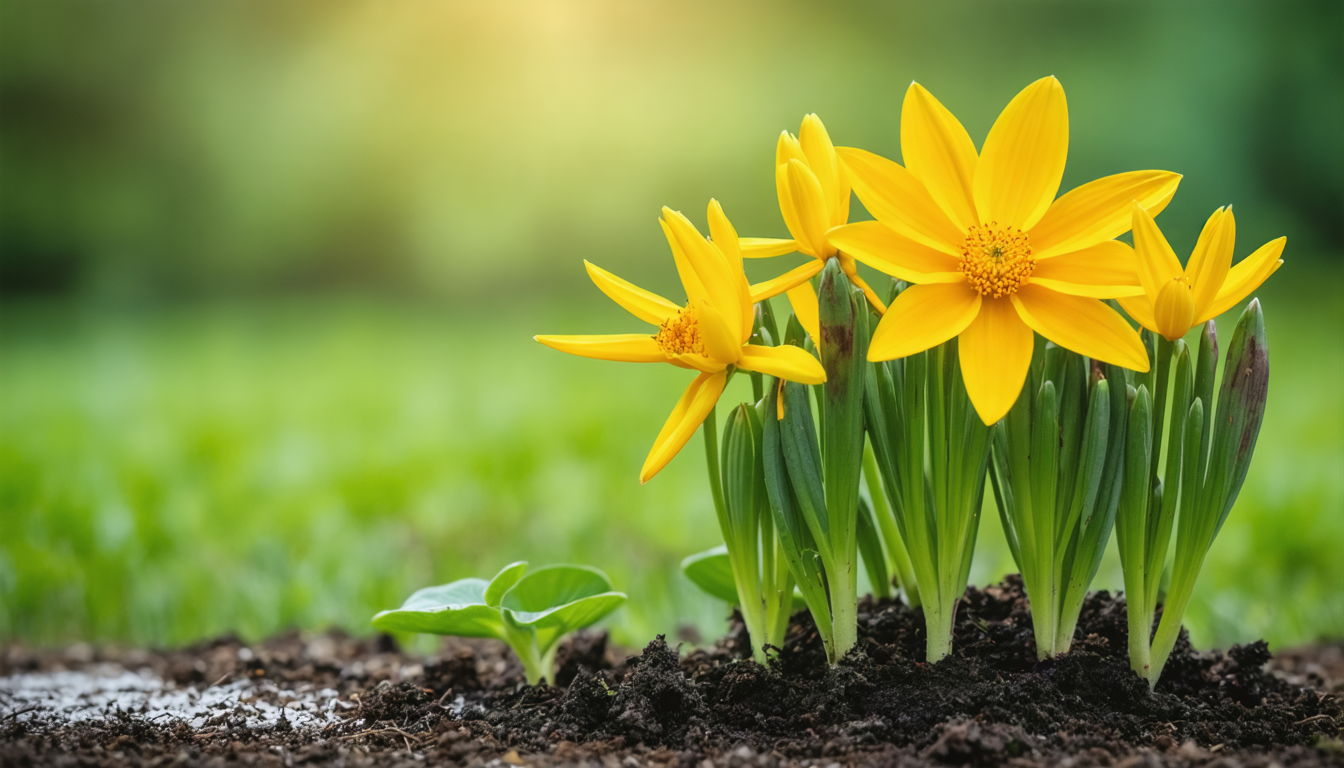
Focus on spring-flowering bulbs like tulips, daffodils, and crocuses. Planting them now allows them to establish a strong root system and undergo the necessary winter chilling period (vernalization) required for them to bloom.
| Planting in October (Ideal) | Planting in Spring (Less Effective) |
|---|---|
| Allows for root development and natural chilling. | Requires pre-chilled bulbs; bloom can be stunted or non-existent. |
| Results in strong, vibrant blooms in spring. | Often leads to weaker plants and unreliable flowering. |
Sowing Cool-Weather Vegetables for a Late Harvest
If you think your vegetable garden’s productivity ends with summer, think again. October is a prime window for sowing crops that thrive in cooler temperatures.
Excellent choices for a late harvest include kale, spinach, lettuce, radishes, and garlic. Garlic planted now will develop over the winter for a robust summer harvest.
Unique Insight: Utilize Hoophouses or simple cold frames. By creating a mini-greenhouse over your beds, you can extend your harvest by several weeks, even into early winter. This technique traps solar heat, protecting plants from light frosts and is a game-changer many home gardeners overlook.
The Great Lawn Revival
Summer heat, drought, and foot traffic can leave lawns looking tired and patchy. Autumn’s cool, moist conditions are perfect for lawn recovery, as grass focuses energy on root growth rather than top growth.
Key tasks include aerating to relieve soil compaction, overseeding to fill in bare spots, and applying a fall-specific fertilizer to strengthen roots for the winter ahead.
Tidy Now, Thrive Later: End-of-Season Cleanup
Smart Pruning: What to Cut and What to Leave
Knowing what to prune in the fall is crucial to avoid inadvertently removing next year’s blooms or harming the plant.
Prune back perennials that have died back and remove any diseased or damaged branches from trees and shrubs. However, avoid pruning spring-blooming shrubs like lilacs and forsythia, as they have already set their flower buds for next year.
Unique Insight: There’s a significant ecological benefit to being a “lazy” gardener in fall. Leaving some perennials standing and not raking up every single leaf provides essential overwintering habitats for beneficial insects, including native bee larvae and butterfly chrysalises. A perfectly clean garden is a desert for these helpful creatures.
The Leaf Debate: To Rake or Not to Rake?
While a thick, matted layer of leaves can smother a lawn, a blanket approach to removal is not necessary and wastes a valuable resource.
| Traditional Approach | Sustainable Approach |
|---|---|
| Rake and bag all leaves for disposal. | Shred leaves with a lawn mower and use them as free, nutrient-rich mulch for garden beds. |
| Wastes organic matter and costs money for bags/removal. | Improves soil health, suppresses weeds, and protects plant roots. |
Preparing Your Soil for Spring
After a full growing season, your soil’s nutrients can be depleted. Preparing it in the fall gives amendments time to integrate and break down, making nutrients readily available for spring planting.
Conduct a soil test to identify specific nutrient needs. Then, top-dress your garden beds with a layer of compost or well-rotted manure. The winter freeze-thaw cycles will help incorporate these organic materials deep into the soil.
Frequently Asked Questions (FAQs)
Is it too late to fertilize my garden in October?
Generally, you should avoid fertilizing most trees, shrubs, and perennials in late fall. Fertilizing can stimulate tender new growth that is highly vulnerable to frost damage. The major exception is your lawn, which benefits significantly from a fall fertilizer that strengthens roots.
Should I stop watering my plants in the fall?
No, this is a critical mistake. Continue to water your trees, shrubs, and perennials deeply until the ground freezes. Plants that enter winter in a drought-stressed state are far more susceptible to “winter kill,” where roots and branches die from desiccation, not just the cold.
What should I do with my potted annuals once they die back?
Once frost has killed your potted annuals, pull them out and add the healthy plant material to your compost pile. It’s also important to empty, clean, and store ceramic and terra cotta pots indoors for the winter. If left outside, these porous materials can absorb water, freeze, and crack.
Can I still divide perennials in October?
Yes, for many hardy perennials, early fall is an excellent time for division. The cool air and warm soil reduce transplant shock and give the new divisions time to establish roots before the ground freezes. Great candidates for fall division include daylilies, hostas, and bearded iris.