The Foundation: Planning for Four-Season Success
“My garden is only pretty for one season.”
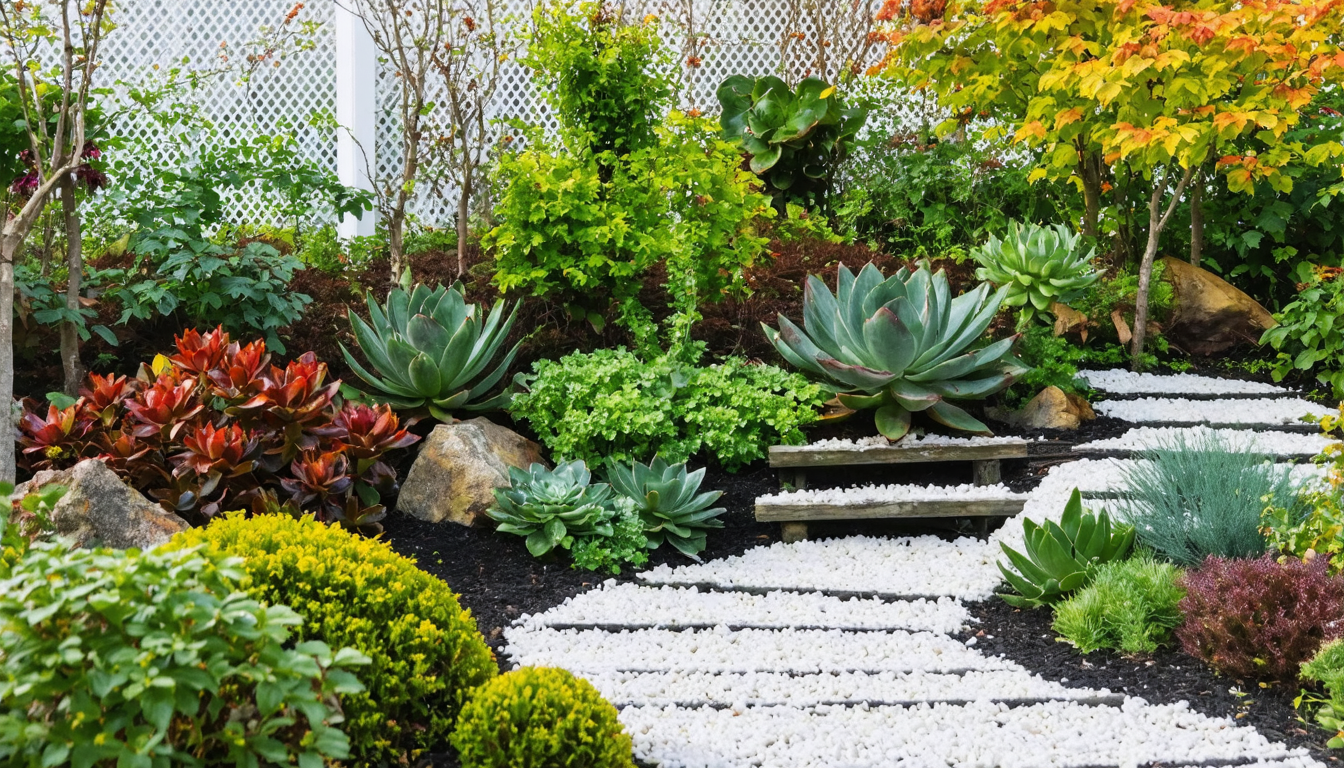
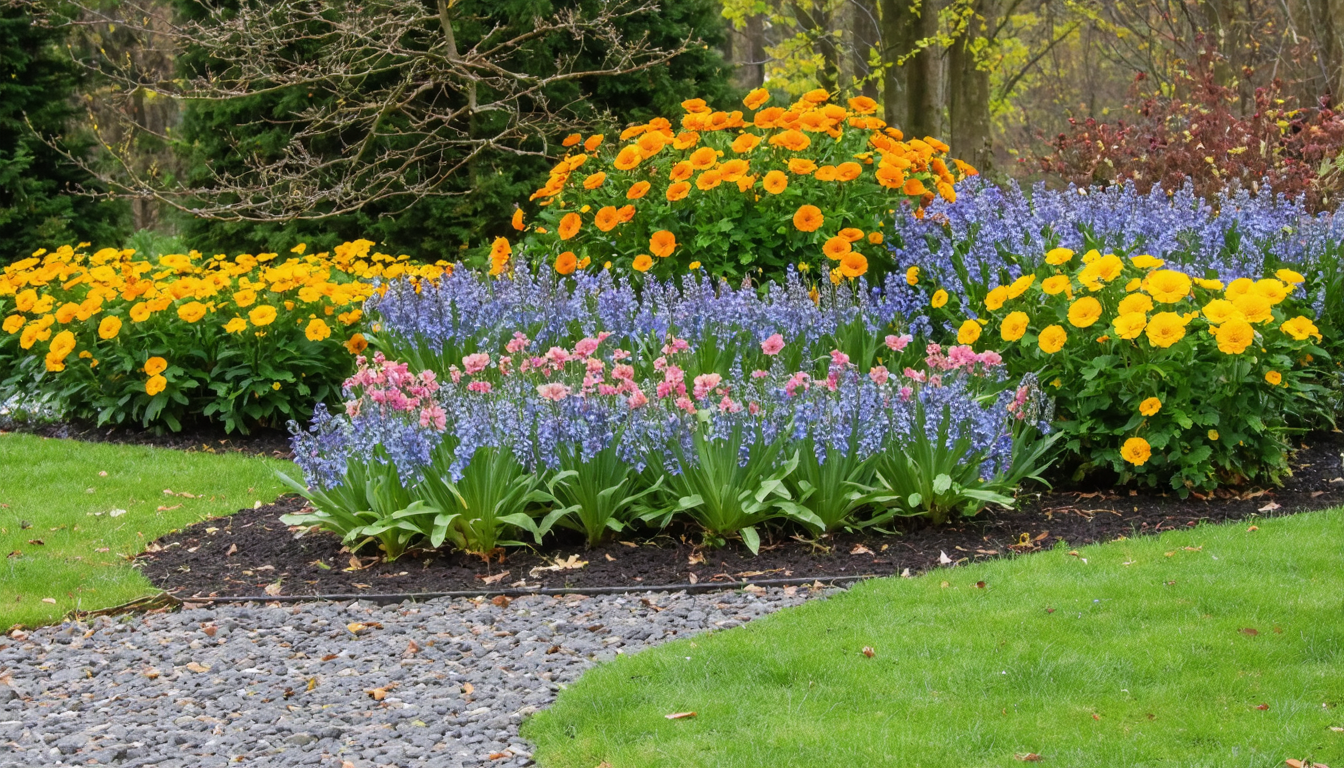
The solution lies in meticulous planning. Create a garden calendar and deliberately select plants with staggered bloom times. Don’t forget to incorporate plants that offer winter interest, such as those with colorful berries, intriguing bark textures, or strong structural forms that stand out against the snow.
Know Your Zone and Microclimates
Understanding your USDA Hardiness Zone is the first step to choosing plants that will survive your winters. But don’t stop there! Learn to identify the microclimates in your own yard. A sunny south-facing wall will be significantly warmer than a shady north side, and low-lying areas can become “frost pockets” where cold air settles.
Soil is Everything: The Secret Life Beneath Your Feet
Start with a soil test to understand its composition and pH. Regularly amend your soil with compost and other organic matter to improve its structure and fertility.
Unique Insight: A thriving garden depends on the “Soil Food Web” – the complex, symbiotic ecosystem of bacteria, fungi, protozoa, and other microbes living in the soil. This hidden network is the true engine of your garden; it decomposes organic matter, suppresses soil-borne diseases, and makes nutrients available to plant roots. Feeding this web is as important as feeding your plants.
| Season | Key Soil Task | Benefit |
|---|---|---|
| Spring | Top-dress with compost | Replenishes nutrients for new growth |
| Summer | Apply light mulch | Conserves moisture and cools roots |
| Autumn | Leave fallen leaves on beds | Insulates soil and feeds the soil food web |
| Winter | Avoid walking on wet, frozen soil | Prevents soil compaction |
Seasonal Breakdown: Your Action Plan for a Thriving Garden
Spring: Awakening and Preparation
Key tasks include cleaning winter debris from beds, dividing overgrown perennials, pruning early-flowering shrubs after they bloom, and starting seeds indoors or in a cold frame. Be vigilant for early pests like slugs and aphids.
Summer: Growth and Maintenance
Focus on strategic watering (deep and infrequent to encourage strong roots), deadheading spent flowers to promote more blooms, and managing heat stress with adequate mulch and hydration.
Drip Irrigation vs. Sprinklers
| Method | Pros | Cons |
|---|---|---|
| Drip Irrigation | Highly water-efficient, delivers water directly to roots, reduces leaf wetness and fungal diseases | Higher initial setup cost, requires maintenance to prevent clogging |
| Sprinklers | Good for covering large, uniform areas like lawns, simpler setup | Water loss due to evaporation and wind, can promote fungal leaf diseases |
Autumn: Harvest and Protection
This is the time for planting spring-flowering bulbs, cleaning up most plant debris to deter overwintering pests, and applying a fresh layer of mulch to insulate plant roots for the winter.
Unique Insight: Practice “Leave the Leaves!” Instead of raking every last leaf, allow a light layer to remain in your garden beds. This provides crucial overwintering habitat for pollinators like native bees and beneficial insects such as ladybugs and butterfly caterpillars, boosting your garden’s natural pest control for the following year.
Winter: Rest and Reflection
Use this quiet time to plan next year’s garden, prune dormant trees and shrubs for better structure, and protect tender plants with burlap or other coverings. Step back and appreciate the garden’s “bones”—the hardscape and evergreens that provide structure.
Core Gardening Practices for Consistent Health
The Right Way to Water
Deep watering encourages plants to develop deep, drought-resistant root systems. The best time to water is in the early morning, which allows foliage to dry during the day, reducing the risk of disease.
Smart Feeding: Organic vs. Synthetic Fertilizers
| Fertilizer Type | How It Works | Long-Term Impact |
|---|---|---|
| Organic (e.g., compost, manure, bone meal) | Feeds the soil life, which in turn feeds the plant; slow-release of nutrients | Improves soil structure, water retention, and fosters a healthy soil food web |
| Synthetic (e.g., Miracle-Gro, chemical granules) | Fast-acting, provides nutrients directly to the plant | Can lead to salt buildup, does not improve soil health, and can harm soil microbes |
Proactive Pest and Disease Management
Adopt an Integrated Pest Management (IPM) strategy. This means monitoring your garden regularly, identifying problems early, and using the least toxic method first, such as hand-picking pests or using a strong spray of water. Encourage a population of beneficial insects by planting a diversity of nectar-rich flowers.
Frequently Asked Questions (FAQs)
What is the single most important thing I can do for my garden?
Focus on building healthy soil. It is the absolute foundation for everything else—vigorous plant growth, efficient water usage, and natural resistance to pests and diseases.
I’m a beginner. Where should I start?
Start small! Choose a single, manageable bed or a few containers. Grow plants that you love to eat or look at, and focus on mastering the basics of soil preparation, watering, and understanding sunlight for those specific plants first.
How often should I really be watering my plants?
There is no one-size-fits-all schedule. The most reliable method is the “finger test”—stick your finger about two inches into the soil. If it feels dry at that depth, it’s time to water. This approach is far more effective than adhering to a rigid calendar schedule.
Is mulching really that important?
Absolutely. Mulch is a garden superpower. It conserves water by reducing evaporation, suppresses weed growth, moderates soil temperature, and as organic mulch (like wood chips or straw) breaks down, it adds valuable nutrients back into the soil.