Why September is Your Garden’s Most Critical Month
The Consequence of Summer Burnout
After the long, hot days of summer, it’s tempting to hang up your gardening gloves. However, neglecting your garden in September can lead to a weak, unprepared garden in the spring and a complete miss on prime planting opportunities for next year’s blooms and harvests. Think of September not as the end of the season, but as the essential foundation period for next year’s success.
Your September Gardening Checklist: A Step-by-Step Guide
Tidy Up and Tend to Summer’s Remains
Start by removing spent annuals and any diseased plant material. This is a crucial step to prevent pests and diseases from establishing a home to overwinter in your garden beds. Continue deadheading flowers to encourage a final, beautiful burst of blooms. Finally, give your garden a thorough weeding; these unwanted plants are actively stealing valuable nutrients and water from your desirable perennials and shrubs.
Plant for the Future: Bulbs, Perennials, and Cool-Season Crops
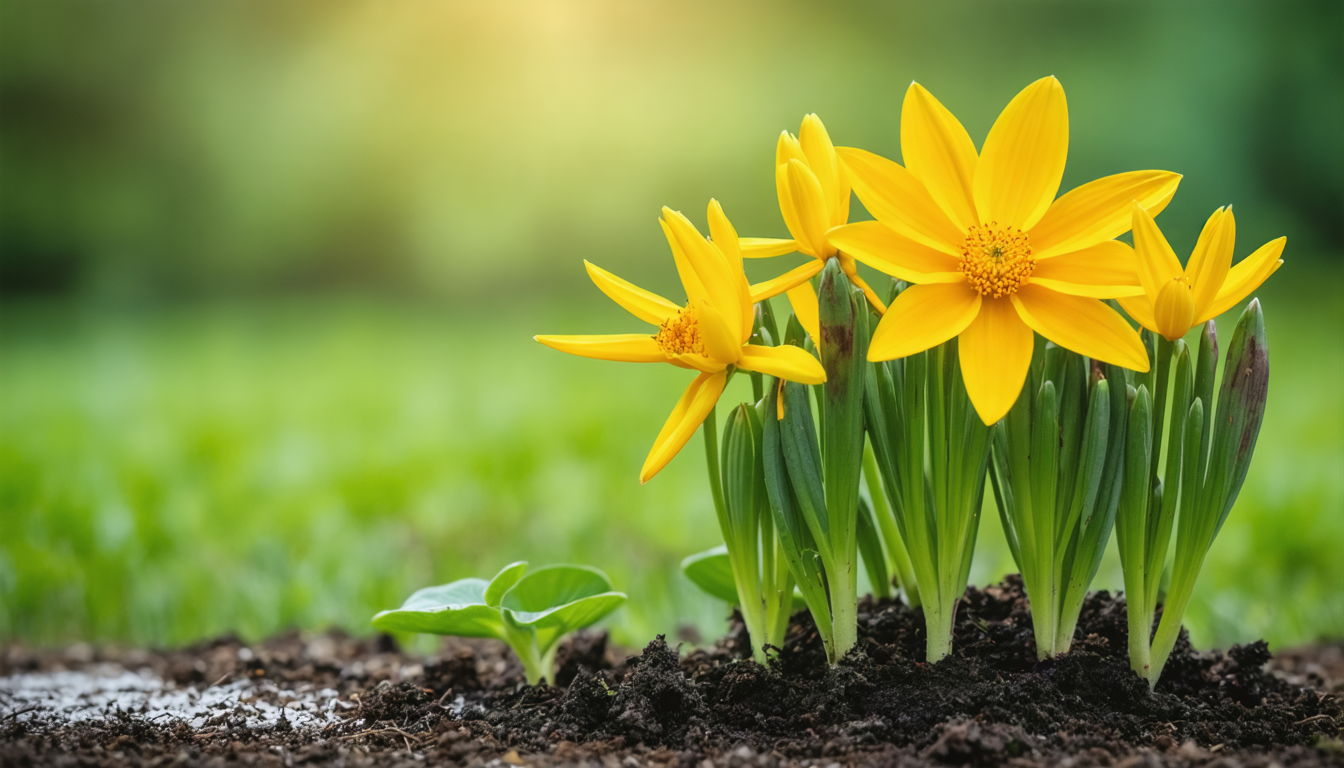
This is the time to plant the promise of spring. Guide your spring-flowering bulbs like tulips and daffodils into the ground. It’s also an excellent time to divide and transplant established perennials like hostas and daylilies. For a continued harvest, plant cool-season vegetables such as lettuce, kale, spinach, and radishes.
The Squirrel-Proof Bulb Trick: A little-known secret to thwarting bulb-loving squirrels and chipmunks is to plant your bulbs and then place a layer of chicken wire over the hole before covering it with soil. The critters will start to dig, hit the wire, and become discouraged, leaving your future flowers safely undisturbed.
Lawn Care Revival: Repair and Strengthen
Give your lawn the attention it needs to recover from summer stress. Aerate compacted soil to allow water, air, and nutrients to penetrate deeply to the root zone. Overseed any thin or bare patches to ensure a thick, lush lawn in the spring. Apply a fall-specific fertilizer that is formulated to promote strong root development over top-leaf growth.
Prepare Your Soil: The Foundation of a Healthy Garden
Replenish the nutrients that your plants have used up over the growing season. Test your soil’s pH and nutrient levels to understand its needs, then add compost or well-rotted manure to feed the soil.
The “Leaf Mold” Experiment: Instead of viewing fallen leaves as waste, try creating a dedicated leaf pile in a corner of your yard. Over 1-2 years, these leaves will decompose into a substance called leaf mold. This is a fantastic, completely free soil amendment that is exceptional at retaining moisture and improving soil structure, acting like a sponge for your garden beds.
Protect and Prepare for the Chill Ahead
As nights get cooler, it’s time to start bringing tender houseplants back indoors. Harvest any remaining warm-season crops like tomatoes and peppers—even if they are still green, they can ripen indoors. Finally, empty, clean, and store your containers and watering systems to prevent them from cracking during winter freezes.
September vs. October Gardening: What’s the Difference?
Knowing the right timing for tasks can make all the difference. Here’s a quick comparison to guide your efforts:
| Task | Best in September | Best in October |
|---|---|---|
| Lawn Overseeding | Prime Time | Last Call |
| Planting Spring Bulbs | Start Now | Peak Time |
| Planting Cool-Season Veggies | Get them established | Too late for most |
| Applying Winter Mulch | Too Early | Yes, after ground freezes |
| Major Pruning | Avoid | For dormant trees |
Frequently Asked Questions
Is it too late to plant anything in September?
No! On the contrary, September is the perfect time to plant spring-flowering bulbs, garlic, and many cool-weather vegetables like kale and spinach that thrive in the crisp autumn air.
Should I stop watering my garden in the fall?
Absolutely not. Your plants, especially any newly planted perennials, bulbs, and your lawn, still need consistent moisture until the ground freezes solid. You can reduce the frequency, but when you do water, ensure it is a deep, thorough soaking.
What should I do with all the fallen leaves?
Don’t bag them and send them away! Instead, run over them with a lawn mower to shred them and add this “brown” material to your compost pile. You can also use the shredded leaves directly as a protective, insulating winter mulch on your flower beds.
Is September a good time to fertilize my garden?
For most flowering plants and shrubs, it’s best to stop fertilizing so they can harden off for winter. However, September is the ideal time to fertilize your lawn with a fall-specific formula that is high in potassium to strengthen roots for the challenging winter ahead.