Why November is Your Garden’s Most Crucial Month
From Winter Neglect to Spring Regret
Many gardeners pack away their tools in October, assuming the growing season is over. This common oversight leads to a cascade of spring problems, including rampant pest populations, compacted and lifeless soil, frost-heaved perennials, and a garden that’s slow to wake up. Viewing November as a month of rest for the garden is a costly mistake; the work you do now is a direct investment in the vitality of your spring landscape.
The Proactive Gardener’s Mindset
Successful gardening is about anticipation, not just reaction. By completing key tasks in November, you align your efforts with the natural cycle. You’re protecting the soil ecosystem, providing for overwintering pollinators, and giving your plants the best possible foundation for explosive growth when the warmth returns.
Essential November Garden Preparations: A Step-by-Step Action Plan
Tidy Up to Protect and Prevent
A thorough cleanup is your first line of defense. Remove fallen leaves from lawns and beds to prevent mold and smothering, but consider piling them in a corner to create a hibernaculum for beneficial toads and insects. When cutting back perennials, make a strategic choice.
| Cut Back Now | Leave Standing |
|---|---|
| Hostas (to prevent slug habitats) | Ornamental Grasses (for winter structure) |
| Peonies (with mildew-prone foliage) | Sedum (seed heads for birds) |
| Irises (to remove iris borer eggs) | Coneflowers (seeds for finches) |
Protect Your Prized Plants from the Cold
Tender bulbs like dahlias and cannas must be dug up after the first frost blackens their foliage. Let them dry, then store them in a cool, dark place in peat moss or vermiculite. For in-ground plants, the timing of mulching is critical. Apply a thick layer of mulch after the ground has frozen to keep it frozen, preventing damaging freeze-thaw cycles that can heave plant roots out of the soil.
Unique Tip: Instead of buying mulch, save your Christmas tree! In January, cut the boughs and lay them over your perennial beds and rose crowns. This creates a natural, airy blanket that insulates against cold winds and temperature swings while adding a festive touch to the winter garden.
Prepare Your Soil for Spring Success
Fall is for feeding the soil, not the plants. Avoid heavy tilling, which destroys the delicate fungal networks and soil structure. Instead, adopt a “no-dig” approach by simply forking over a 2-3 inch layer of finished compost or well-rotted manure into empty beds. The earthworms and winter weather will naturally incorporate these nutrients. For vegetable gardens, consider sowing a cover crop like winter rye to suppress weeds and add organic matter.
Don’t Forget the Lawn and Tools
Give your lawn its final cut, setting the mower blade slightly lower than usual to prevent long grass from matting down and fostering snow mold. This is also the perfect time for essential tool maintenance. Clean soil from spades and trowels, sharpen pruner blades for clean cuts next season, and drain your irrigation system to prevent costly freeze damage.
What to Plant in November for a Head Start
Spring-Flowering Bulbs: It’s Your Last Chance!
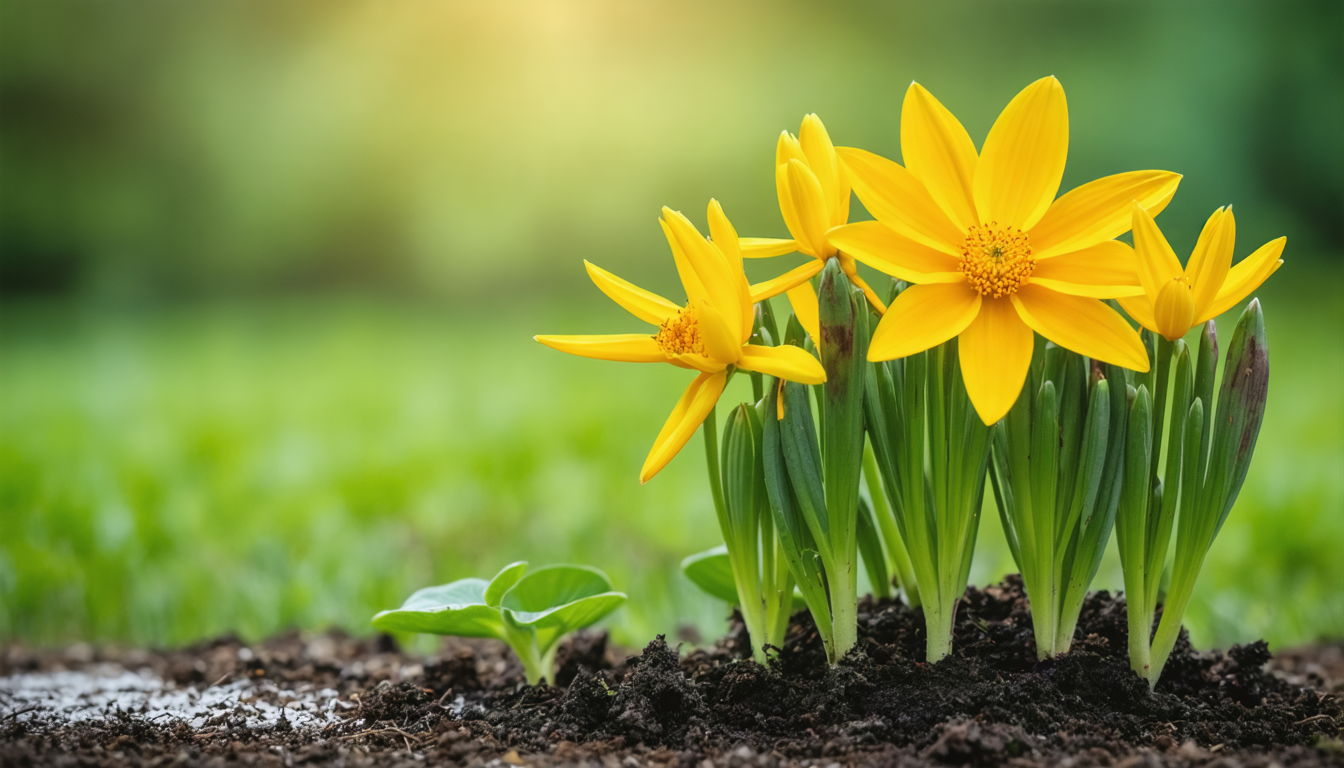
If you haven’t planted your tulips, daffodils, and hyacinths, there’s still time! As long as you can get a spade into the ground, you can plant bulbs. They require a period of cold stratification to bloom, so late planting often yields excellent results.
The Gardener’s Secret: Planting Bare-Root Plants
November is the prime season for planting dormant bare-root trees, shrubs, roses, and perennials. Because they are sold without soil, they are lighter, less expensive, and easier to plant than container-grown stock. They will spend the winter establishing a strong root system, ready to burst into growth in spring.
Sowing Seeds for a Natural Look
Unique Tip: For a beautifully informal, cottage-garden effect, try winter sowing. In late November or even December, scatter seeds of hardy native perennials and annuals (like California poppies, milkweed, or nigella) directly onto the soil or a light snow cover. The freeze-thaw cycle of winter naturally stratifies the seeds, breaking their dormancy and resulting in stronger, more naturally spaced seedlings than you could achieve by sowing indoors.
November Garden Prep FAQs
Is it too late to fertilize my garden in November?
Yes, you should avoid synthetic, high-nitrogen fertilizers as they can force tender new growth that will be killed by frost. The goal in November is to build long-term soil health by adding organic matter like compost, which feeds the soil ecosystem slowly and safely.
Should I water my garden in November?
Absolutely, especially evergreens and any trees, shrubs, or perennials planted within the last year. Before the ground freezes, give them a deep, slow watering. This “winter watering” ensures their roots are fully hydrated, which is critical for preventing desiccation (drying out) from cold winter winds.
What is the single most important task I should do this month?
Applying a protective layer of mulch to your garden beds after the ground freezes is arguably the most critical task. It acts as an insulating blanket, protecting plant roots from extreme temperature swings and preventing soil erosion.
Can I compost my diseased plants?
No. While your compost pile is great for healthy plant debris, plants showing signs of blight, powdery mildew, or other diseases should be bagged and disposed of with your household trash. Most home compost piles do not reach temperatures high enough to kill these pathogens, risking re-infecting your garden later.