Your November Gardening Guide: Winter Prep for a Spectacular Spring
November occupies a unique space in the gardening calendar, serving as the crucial bridge between autumn’s vibrant life and winter’s quiet dormancy. The tasks you complete this month are a direct investment in the health, resilience, and beauty of your garden for the year to come. This guide will walk you through the essential November gardening tips for winter preparation and spring success.
The Core Philosophy: Tucking Your Garden in for Winter
Why November is the Most Critical Month for Gardeners
Many gardeners feel uncertain about fall tasks, often leading to a struggling garden in the spring. Understanding plant dormancy is key; proper November care protects delicate root systems and plant crowns from damaging freeze-thaw cycles and the desiccating effect of winter winds, ensuring they awaken healthy and strong.
Essential Cleanup & Protection Tasks
To Cut Back or Not to Cut Back? A Plant-by-Plant Guide
Knowing what to trim and what to leave is vital for winter survival and spring revival.
| Cut Back | Leave Standing |
|---|---|
| Diseased foliage to prevent overwintering pathogens | Ornamental grasses for structure and winter interest |
| Spent annuals that have finished their lifecycle | Plants with seed heads (e.g., Echinacea) to feed birds |
| Most herbaceous perennials if a tidy look is desired | Hardy perennials with sturdy stems |
Unique Insight: Leaving plants like coneflowers and sedum uncut does more than just look pretty. The hollow stems provide crucial overwintering habitats for beneficial insects, including native bees and ladybug larvae. By cutting everything back, you might be unknowingly removing your garden’s natural pest control squad for the following season.
Mulching: The Winter Blanket for Your Plants
A common frustration is plants heaving out of the soil or suffering significant die-back. The solution is a proper winter mulch, which acts not to warm the soil, but to maintain a consistent temperature and prevent damaging cycles of freezing and thawing.
| Mulch Material | Best Use Cases |
|---|---|
| Shredded Leaves | Excellent for perennial beds; breaks down to enrich soil |
| Straw | Great for vegetable gardens and protecting strawberries |
| Wood Chips/Bark | Ideal for pathways and around trees & shrubs |
Pro Tip: Wait until the ground is cold or even frozen before applying your mulch. This deters rodents from making cozy nests in it and prevents crown rot in your plants.
Protecting Tender Shrubs and Trees
Roses, newly planted trees, and broadleaf evergreens like Rhododendrons are particularly vulnerable. Use burlap screens to shield them from winter burn caused by harsh, drying winds and intense winter sun, which can scorch leaves when the ground is frozen and roots cannot replace lost moisture.
Preparing Your Soil for Spring Success
The Secret of Fall Composting
If your soil feels tired and depleted, November is the time to rejuvenate it. Top-dress your garden beds with finished compost. The soil’s microbial life will work slowly through the winter, incorporating these nutrients so they are readily available for your plants the moment they start growing in spring.
Unique Insight: November is the ideal, off-peak time to send a soil sample to a testing lab. You’ll avoid the spring rush, get your results back quickly, and have ample time to research and procure the right soil amendments to correct any imbalances before the spring planting frenzy begins.
Planting Surprises: Bulbs and Bare-Root Trees
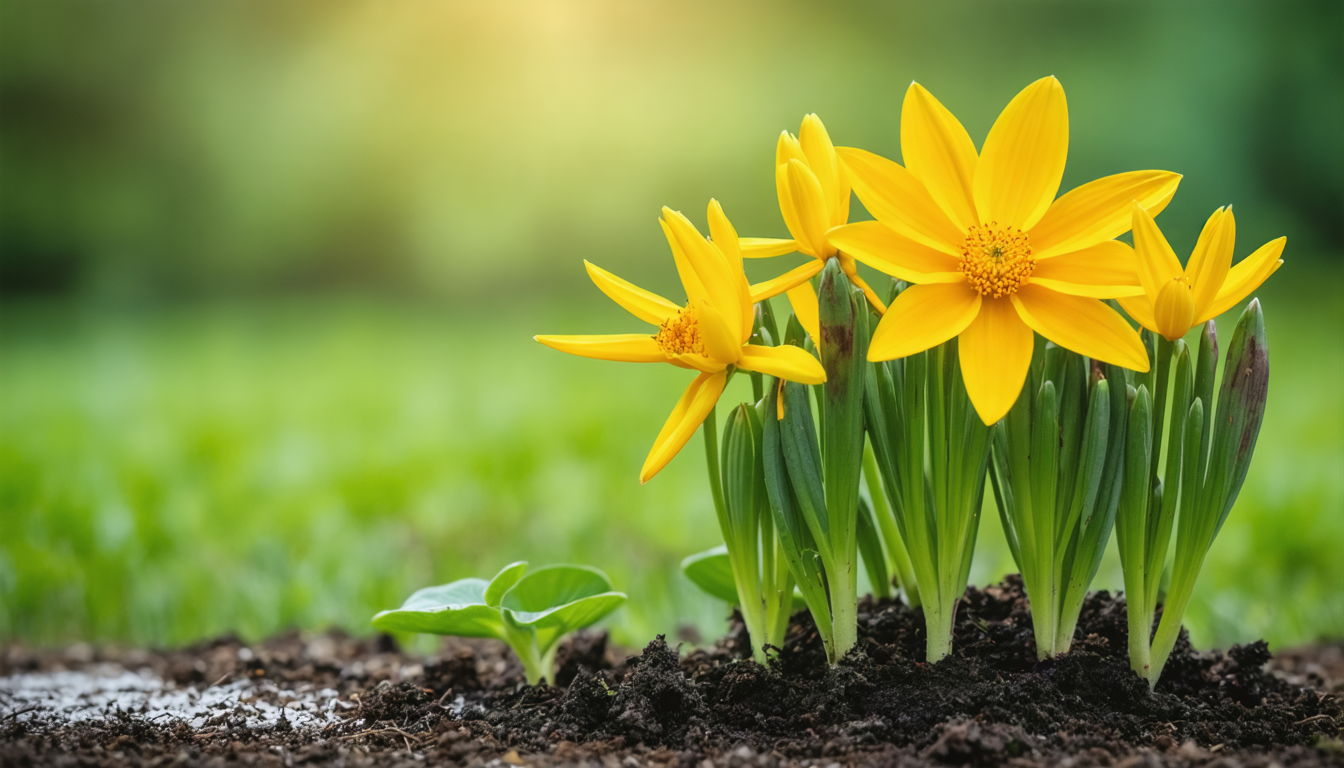
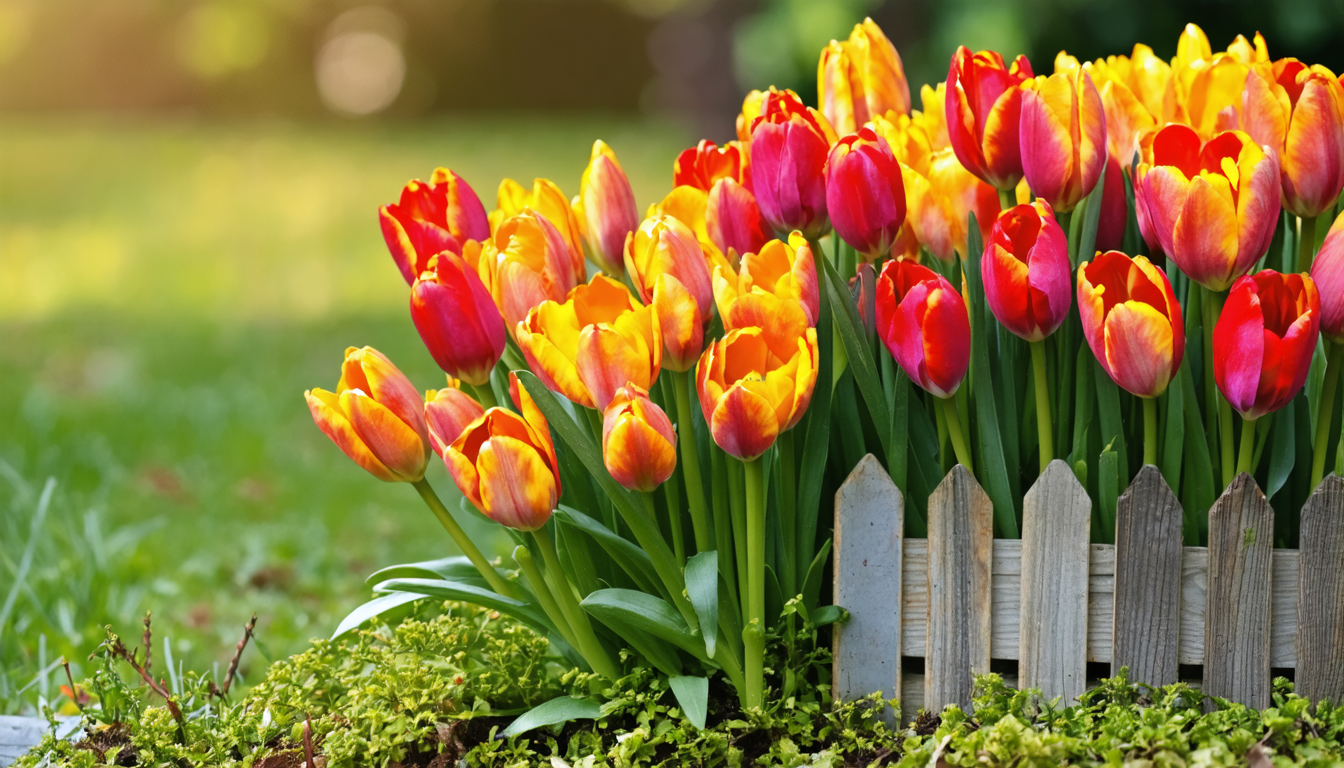
For those who always forget, be reassured: as long as you can get a shovel into the ground, it’s not too late to plant spring-blooming bulbs like tulips and daffodils. Furthermore, November is the perfect window for planting bare-root trees and shrubs. They are dormant and will spend the winter establishing a strong root system, giving them a significant head start for spring growth.
Lawn and Tool Care for the Off-Season
The Final (and Most Important) Lawn Mow
A patchy, mold-damaged lawn after snowmelt is a common problem. For the last cut of the season, set your mower to a slightly lower height. This prevents long grass from matting down under snow and ice, which is a primary cause of snow mold disease.
Tool Maintenance: A Chore That Pays Off
Cleaning, sharpening, and oiling your tools before storage prevents rust and ensures they are ready for action in the spring.
Unique Insight: Take tool care a step further by disinfecting them with a 10% bleach solution or rubbing alcohol. This November ritual is crucial for stopping the spread of fungal and bacterial diseases from this year’s infected plants to next year’s healthy ones.
Frequently Asked Questions (FAQs)
Is it too late to plant anything in November?
Not at all! Spring-blooming bulbs, garlic cloves for a summer harvest, and dormant bare-root plants like trees, roses, and shrubs are all excellent choices for November planting.
Should I water my garden in November?
Yes, especially newly planted trees, shrubs, and broadleaf evergreens. Give them a deep, thorough watering before the ground freezes solid. This “winter watering” hydrates the plant and roots, preventing them from drying out (desiccating) over the winter when they cannot pull water from frozen soil.
What should I do with all the fallen leaves?
Don’t bag them and throw them away! Run over them with a lawn mower to shred them, then add them to your compost bin or use them directly as a fantastic, nutrient-rich mulch on your garden beds. It’s free organic matter.
Is November a good time to feed the soil?
It’s an excellent time to top-dress with compost or well-rotted manure to feed the soil biology. However, you should avoid using high-nitrogen fertilizers, as they can stimulate a flush of tender new growth that will be immediately killed by the first hard frost, weakening the plant.
Conclusion: Embrace the Quiet Season
The effort you put into your garden during November is a quiet, deliberate investment. By following these essential November gardening tips for winter preparation and spring success, you are not just closing down the garden for the year; you are actively setting the stage for a healthier, more vibrant, and more successful garden when spring arrives. Take a moment to enjoy the peace and satisfaction of preparing your garden for its winter rest.