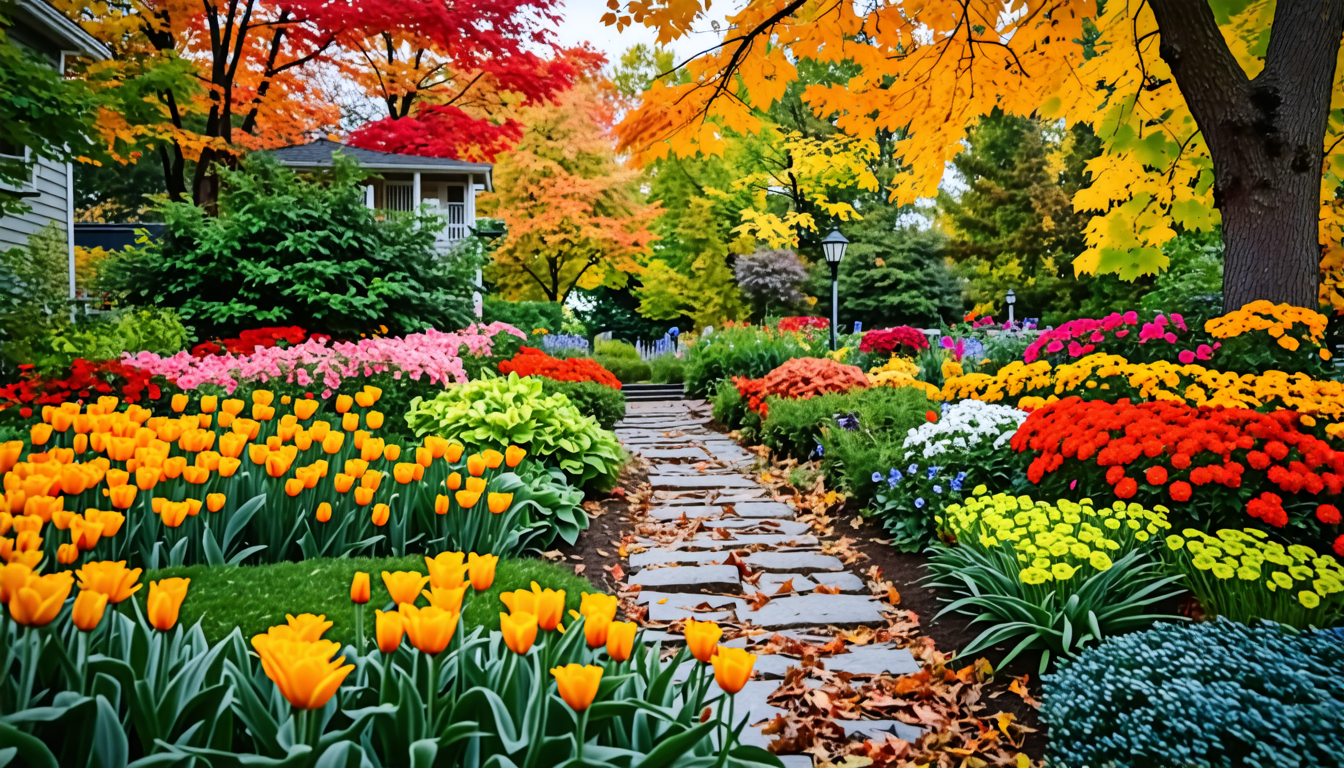
Why October is Your Secret Weapon for Spring Success
Overcoming “Spring Overwhelm”
Tackling garden tasks in October’s mild weather helps you avoid the stressful, massive cleanup and planting rush that often occurs in March and April. By planning ahead, you’re gardening smarter, not harder, and setting yourself up for a smoother spring season.
Setting the Stage for Stronger Roots and Earlier Blooms
The cool soil temperatures in October are ideal for root establishment in perennials, trees, and shrubs. Additionally, spring-blooming bulbs like tulips and daffodils require a cold period (vernalization) to bloom, making this month the perfect time for planting.
Your Actionable October Gardening Checklist
Tidy Up Smartly: Cleanliness vs. Wildlife Habitat
Cut back diseased plants and remove fallen, diseased leaves—such as from roses or peonies—to prevent issues like black spot and botrytis. However, avoid being overly tidy. Embrace the “Leave the Leaves” movement: allowing some leaf litter and spent perennial stems to remain provides crucial overwintering habitat for pollinators like native bees and butterflies. This is a deliberate choice between a manicured appearance and supporting local ecosystems.
| Aspect | Clean, Sterile Beds | Eco-Friendly Beds |
|---|---|---|
| Pest Control | May reduce some pests but can disrupt natural predators | Supports beneficial insects that control pests |
| Wildlife Support | Minimal; removes habitat | High; provides shelter and food for pollinators |
| Soil Health | Can lead to erosion and nutrient loss | Improves with organic matter and microbial activity |
| Spring Cleanup Effort | More work needed in spring | Less effort; nature does some of the work |
Plant for Future Glory: Bulbs, Perennials, and Trees
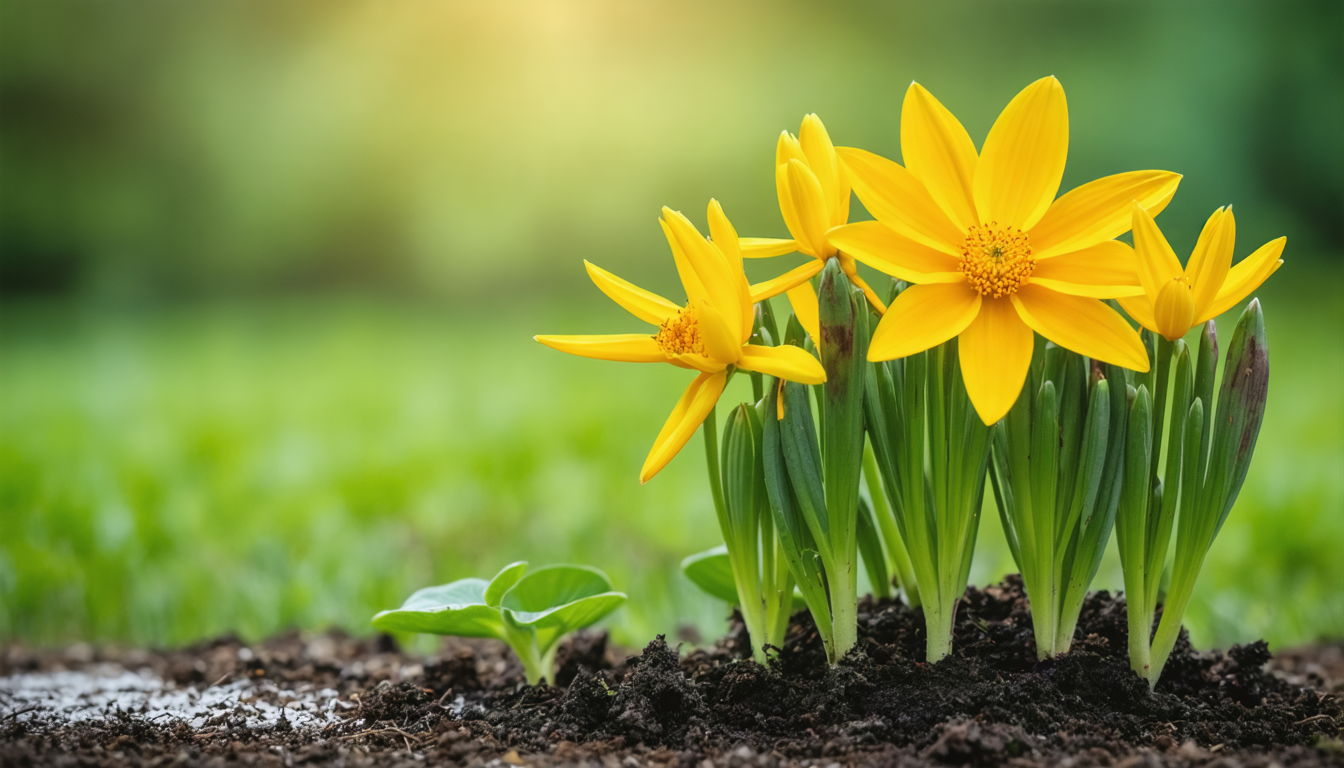
Now is the time to plant spring-flowering bulbs like tulips, daffodils, and crocus. For a natural look, plant them in clusters or drifts rather than straight lines. It’s also an excellent opportunity to add trees, shrubs, and perennials, giving them a head start on root development before winter.
Protect and Prepare Your Plants for Winter
Apply winter mulch only after the ground has frozen to prevent heaving caused by freeze-thaw cycles. Protect tender plants, such as roses and certain shrubs, with burlap or additional mulch to avoid losing them to harsh winter conditions.
Feed Your Soil, Not Your Plants
Sow cover crops like winter rye in empty vegetable beds and top-dress garden beds with compost or well-rotted manure. The soil life will incorporate these amendments over the winter. A unique tip: October is the best time to test your soil’s pH and nutrient levels. Amendments such as lime take months to work, so applying them now ensures your soil is perfectly balanced for spring planting.
Don’t Forget the Lawn
Give your lawn a final mow at a slightly lower height, and consider dethatching and aerating to improve soil health. Apply a fall or winter fertilizer to strengthen the roots, leading to a greener, healthier lawn in the spring.
Regional Considerations: Adjusting Your October Strategy
For Northern Gardeners (Colder Zones)
Focus on heavy protection for plants, complete final harvests, and finish all tasks before the hard freeze sets in to ensure your garden survives the winter.
For Southern Gardeners (Warmer Zones)
Take advantage of the milder climate to plant cool-season vegetables like lettuce and kale. October is also a prime month for adding many ornamentals to your garden.
Frequently Asked Questions (FAQs)
Is it too late to plant anything in October?
Not at all! October is the prime time for planting spring-flowering bulbs, garlic, trees, shrubs, and perennials. The focus is on root growth, not top growth, which sets the stage for healthy development.
Should I cut back all my perennials in the fall?
No. It’s beneficial for wildlife to leave plants with sturdy stems and seed heads, such as coneflowers and sedum. Only cut back diseased or overly messy material to maintain garden health and support local ecosystems.
When exactly should I apply winter mulch?
Wait until after the ground has frozen hard. Applying mulch too early can keep the soil warm, inviting pests and preventing plants from entering full dormancy.
Can I still fertilize my plants in October?
Avoid high-nitrogen fertilizers that promote tender new growth susceptible to frost damage. Instead, use a fall-formula fertilizer for your lawn and focus on feeding the soil with compost or organic matter.
Conclusion: Reap What You Sow This October
By dedicating time to these essential October gardening tasks, you’re making a promise to your future self. Next spring, you’ll be rewarded with a garden that wakes up stronger, blooms brighter, and fills you with pride—all thanks to the foresight you showed during the crisp autumn days.