Why Plant a Fall Vegetable Garden from Seed?
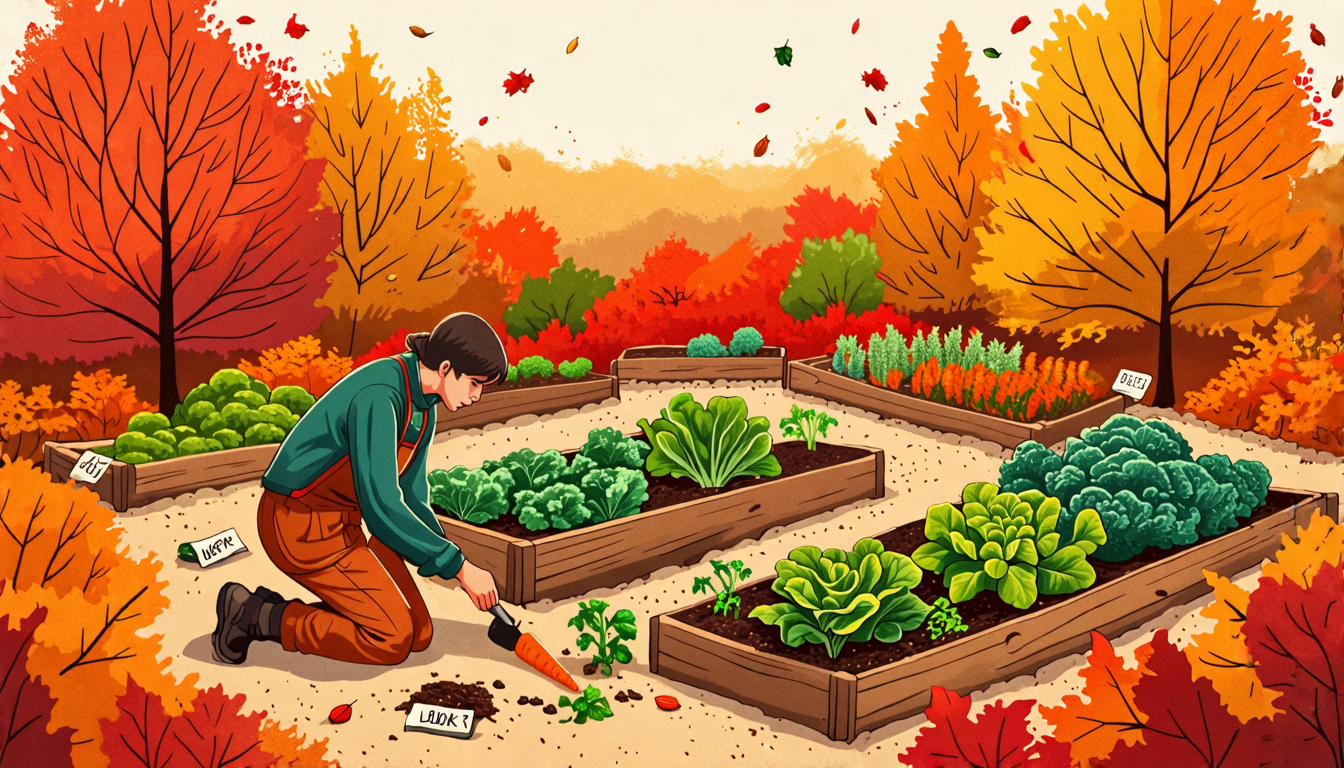
As summer’s heat begins to wane, a unique opportunity arises for gardeners. Fall serves as a second spring, providing the perfect conditions for a whole new class of crops. Planting from seed, rather than starter plants, offers the widest variety and the deep satisfaction of nurturing a plant through its entire lifecycle.
Extend Your Harvest Season
There’s no need for your garden to go dormant after your summer tomatoes and zucchini are done. A fall garden from seed allows you to continue harvesting fresh, homegrown produce well into the cooler months, maximizing the yield from your garden space.
Beat the Heat for Cool-Season Crops
Many leafy greens, like spinach and lettuce, are cool-weather lovers. When planted in spring, they often “bolt”—prematurely flowering and turning bitter—as a response to summer heat. Planting their seeds in the fall allows them to mature during their preferred, cooler temperatures.
Fewer Pests and Diseases
One of the unsung benefits of autumn gardening is the significant drop in pest pressure. Many common garden insects, like squash bugs and cucumber beetles, are less active or have completed their life cycles, making plant care simpler and more organic.
Improved Flavor
Cold weather acts as a natural sweetener for many vegetables. A light frost triggers plants like kale, carrots, and parsnips to convert their starches into sugars, resulting in a noticeably sweeter and more complex flavor than their spring-harvested counterparts.
Your Step-by-Step Guide to Fall Planting Success
The #1 Rule: Calculating Your Fall Planting Date
A common frustration is seeing a promising crop wiped out by an unexpected early frost. The solution lies in precise timing.
Solution: Find your area’s first average frost date. Then, look at the “Days to Maturity” on your seed packet. Count backwards from the frost date, and crucially, add an extra 10-14 day “fall factor” buffer to account for slower growth due to shorter, cooler days.
Unique Tip: Don’t just trust the calendar—trust a tool. Using a soil thermometer is a game-changer. Many cool-season seeds germinate best in soil temperatures between 45°F and 75°F (7°C and 24°C). Planting when the soil is in this ideal range guarantees a stronger start.
Preparing Your Garden Bed for a Second Season
After a productive summer, your soil needs a refresh. Clear out any spent summer crops and amend the soil with a few inches of compost or a balanced, slow-release organic fertilizer. This replenishes nutrients and ensures your fall seeds have the energy they need to thrive.
Sowing Seeds in Warm Soil
Poor germination can halt a garden before it even begins. The top layer of soil in late summer can be warm and dry, creating a hostile environment for a delicate sprout.
Solution: Before you drop a single seed, water the planting furrow or area thoroughly. This provides immediate and consistent moisture directly where the seeds need it, dramatically improving germination rates.
The Best Vegetable Seeds for Your Autumn Garden
| Category | Examples | Days to Maturity | Notes |
|---|---|---|---|
| Fast-Growing Greens | Arugula, Spinach, Lettuce (loose-leaf), Radishes, Bok Choy | 30-50 days | Ideal for succession planting and quick harvests. |
| Root Vegetables | Carrots, Beets, Turnips, Radishes | 50-70 days | Flavor sweetens after frost. Can be mulched and harvested from ground into winter. |
| Cold-Hardy Champions | Kale, Collards, Swiss Chard, Parsnips | 50-60+ days | Can survive hard frosts; some taste best after a freeze. |
Fall vs. Spring Planting: A Crucial Comparison
| Factor | Spring Planting | Fall Planting |
|---|---|---|
| Soil Conditions | Soil is cold and often saturated from winter snow/rain; warms slowly. | Soil is pre-warmed from summer sun; retains heat but can be dry, requiring initial consistent watering. |
| Sunlight & Growth | Days are getting longer and warmer, encouraging rapid, vigorous growth. | Days are getting shorter and cooler, leading to a slower, more gradual maturation process. |
| Pest & Disease Pressure | Insect populations and fungal diseases are building and at their peak. | Significant decrease in pest activity and many common fungal diseases. |
Overcoming Common Fall Gardening Challenges
“The weather is still too hot for seeds!”
Late summer heat can scorch tender seedlings and prevent germination.
Solution: Use a shade cloth to protect newly sown garden beds during the hottest part of the day. This simple tool can lower soil temperature by up to 10 degrees Fahrenheit.
“I’m dealing with a short growing window.”
The race against the first frost can be intimidating.
Solution: Stick to the fast-growing greens from the table above. A pro tip is to use pelleted seeds, which are coated for easier handling. This allows for perfect spacing, eliminates the need to thin seedlings, and gives every plant the best possible start with no wasted time.
“How do I protect my crops from an early frost?”
An unexpected cold snap doesn’t have to mean the end of your garden.
Solution: Always have floating row covers, cloches, or even old bedsheets at the ready. Draping these over your plants on cold nights can provide several degrees of frost protection, extending your harvest by weeks.
Autumn Garden FAQ
How late can I actually plant seeds in the fall?
This is highly dependent on your specific crop and local frost dates. As a general rule, you can succession plant fast-growing crops like radishes and leafy lettuce every 1-2 weeks until about 6-8 weeks before your first expected hard frost.
Should I use the same seeds I had left over from spring?
You can, but perform a viability test first. Place 10 seeds on a damp paper towel, seal it in a plastic bag, and check the germination rate after a week. If fewer than 7 sprout, invest in fresh seeds for your fall garden to ensure a good yield.
Do I need to water my fall garden as much?
Yes, especially during the initial establishment phase. While the air might be cooler, the soil is still warm and seeds need consistent moisture to germinate. As temperatures drop and autumn rains become more frequent, you can gradually reduce watering.
Can I grow tomatoes or peppers from seed in the fall?
In most climates, no. These are warm-season crops that require a long, hot growing period to produce fruit. For a successful fall harvest, focus your efforts on the cool-season vegetables that thrive in autumn’s conditions.
Embracing fall planting from seed transforms your garden into a year-round source of fresh food and enjoyment. By following these tailored strategies for your autumn garden, you can savor the crisp, sweet flavors of the season long after the summer harvest is a memory.