What is Gardening by the Moon? (The Core Principle)
The Basic Science (and Lore) Behind It
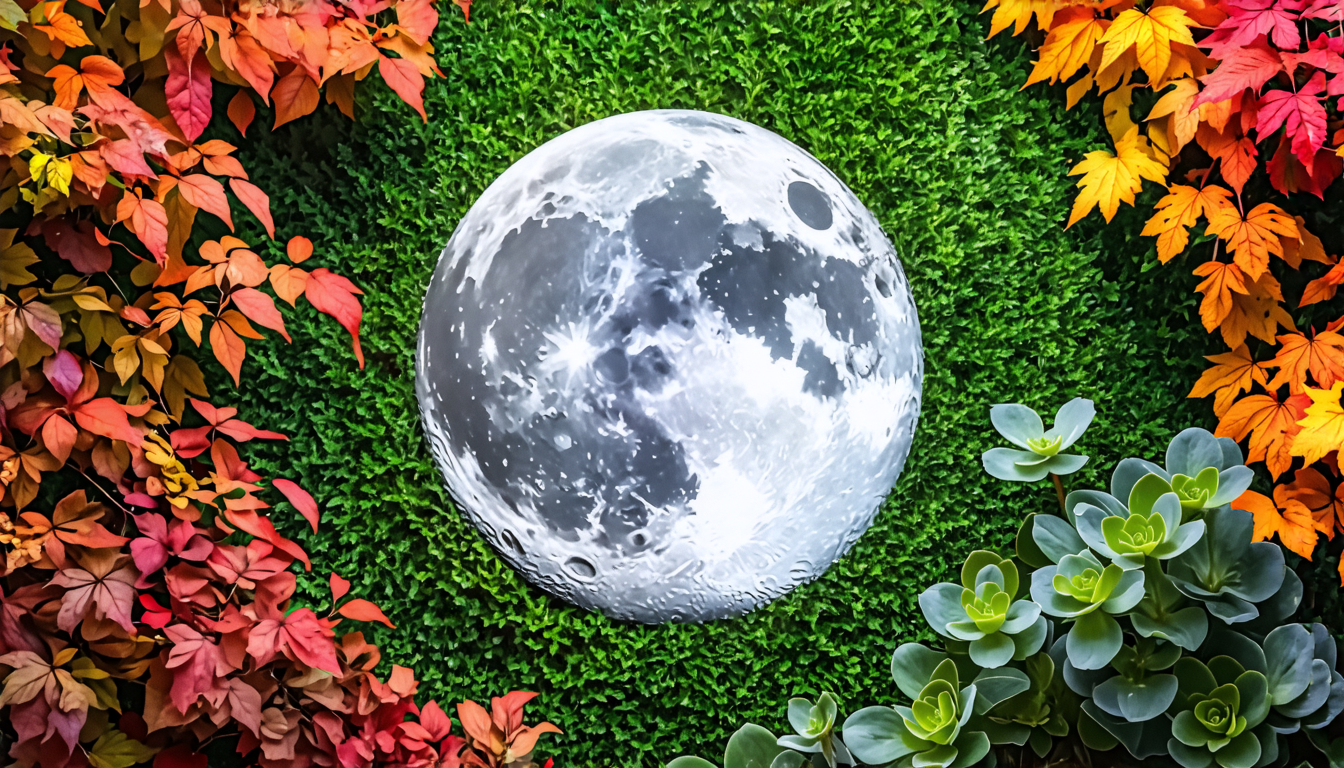
The practice of gardening by the moon hinges on the moon’s gravitational pull, which affects soil moisture levels, causing sap to rise in plants—similar to its influence on ocean tides. This ancient method, rooted in agricultural traditions worldwide, posits that timing garden tasks to lunar phases can enhance plant vitality and yield.
Why the Fall Garden is Perfect for Lunar Gardening
Fall gardening benefits immensely from lunar cycles because it focuses on establishing robust root systems for overwintering crops and maximizing harvests before the first frost. Aligning with the moon can lead to stronger, more resilient plants during this critical season.
Your Step-by-Step Guide to the Lunar Cycle for Fall Gardening
The Waxing Moon (New to Full): The Time for Growth Above Ground
During the waxing moon, gravitational pull increases moisture upward, making it ideal for planting crops that produce above-ground yields. Key activities include sowing leafy greens like spinach and kale, fertilizing, and harvesting for immediate use.
The Waning Moon (Full to New): The Time for Growth Below Ground
As the moon wanes, energy is drawn downward, promoting root development. This phase is perfect for planting root vegetables such as carrots and garlic, as well as pruning and transplanting to minimize shock and encourage strong root establishment.
The Unique Factor: Working with the Zodiac Signs
Many gardeners are unaware that combining moon phases with zodiac signs can refine planting times. “Fruitful” signs like Cancer and Scorpio are optimal for sowing, while “Barren” signs such as Leo are best for weeding and pest control, leveraging astrological influences for targeted garden management.
Solving Common Fall Gardening Challenges with the Moon
Weak and Bolted Fall Greens
Sow leafy greens during the waxing moon under water signs (e.g., Pisces) to enhance moisture uptake and prevent premature bolting, resulting in lusher, more resilient foliage.
Stunted and Misshapen Root Crops
Plant root vegetables in the waning moon phase, particularly during fertile zodiac periods, to direct energy downward and foster well-formed, healthy roots.
Failed Transplant Establishment Before Winter
Transplant seedlings during the waning moon to reduce stress and prioritize root growth, ensuring they establish firmly before colder weather sets in.
Lunar Gardening vs. Conventional Gardening: A Quick Comparison
| Aspect | Lunar Gardening | Conventional Gardening |
|---|---|---|
| Philosophy & Approach | Works in harmony with natural cycles, using gravitational cues for timing. | Relies on fixed schedules and scientific inputs, often intervening against natural rhythms. |
| Timing & Scheduling | Dynamic, based on lunar phases and zodiac signs. | Static, centered on frost dates and predetermined planting calendars. |
| Potential Outcomes | Reports of improved germination and plant resilience through holistic practices. | Consistent results backed by horticultural research and controlled methods. |
Frequently Asked Questions (FAQs) About Gardening by the Moon
Is there any scientific proof that gardening by the moon works?
While large-scale studies are limited, the gravitational effect on soil moisture is well-documented, and centuries of farmer anecdotes support its efficacy in enhancing plant growth and yield.
What if I miss the “perfect” planting day?
Don’t worry—any activity within the correct lunar phase (waxing or waning) is beneficial. The ideal day is a bonus, not a strict requirement for success.
Can I use this method for container gardening?
Absolutely. The principles of lunar influence on plant moisture and energy apply universally, whether in containers or in-ground beds.
Do I need any special tools to start?
No special equipment is necessary. A lunar gardening calendar, easily found online, and your standard gardening tools are all you need to begin aligning your fall garden with lunar cycles.
In summary, gardening by the moon offers a natural, time-tested approach to boost your fall garden’s productivity. By experimenting with lunar phases and zodiac signs, you can cultivate a deeper connection to nature and achieve a more abundant harvest.