Introduction: Embracing the Winter Landscape
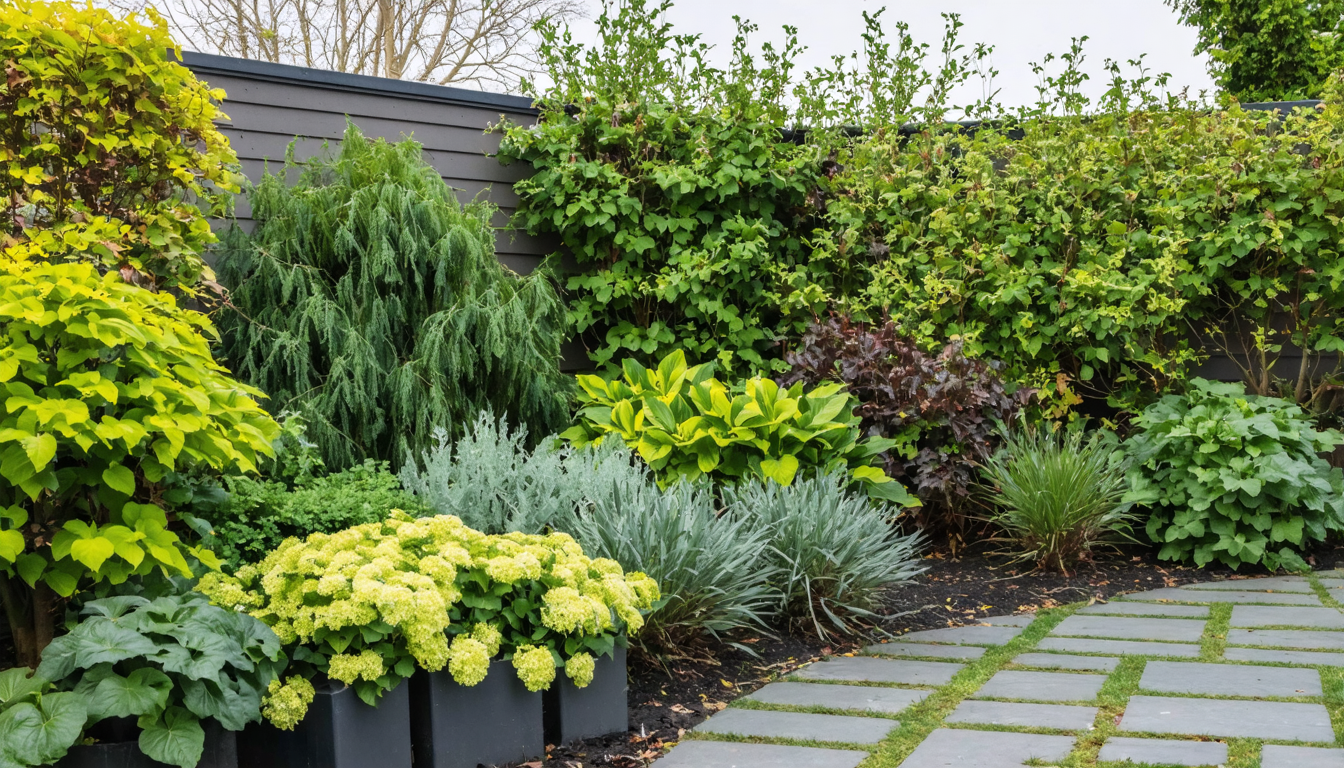
While many see December as a time for the garden to sleep, it holds a unique, quiet beauty all its own. Frost-kissed branches, structural evergreens, and the surprising pop of a winter bloom create a magical landscape. This guide is packed with essential Gardening Tips for December 2024: Brighten Your Winter Garden to keep your outdoor space vibrant and thriving during the coldest months.
December’s Garden Challenges
The winter season presents specific hurdles for gardeners. Understanding and tackling these issues head-on is the first step to a successful winter garden.
Protecting Plants from Frost and Freeze Damage
The fear of waking up to blackened, frost-bitten plants is very real. To protect your prized plants, use horticultural frost cloths instead of plastic, which can “cook” plants when the sun comes out. A thick layer of mulch around the base of plants acts like a blanket for the roots, and temporary shelters made from burlap can shield vulnerable shrubs from biting winds.
Dealing with Short Days and Low Light
Plants can become “leggy,” go completely dormant, or lose their vibrant color due to the lack of sunlight. Combat this by strategically placing container plants in the sunniest spots available. You can also use reflective surfaces, like white-painted walls or foil-covered boards, to bounce existing light onto plants. Finally, selecting shade-tolerant winter varieties like Hellebores ensures you have color even in darker corners.
Preventing Winter Pests and Diseases
Slugs, snails, and various rots can thrive in damp, cool conditions. Maintain good garden hygiene by clearing away fallen leaves and dead plant material where pests and diseases overwinter. Ensure proper spacing between plants for good air circulation, and use organic controls like beer traps for slugs or a baking soda solution for minor fungal issues.
Plant Spotlight: Adding Color and Life to the Cold
Don’t let the calendar dictate your garden’s color palette. By choosing the right plants, you can have a display that rivals spring.
Winter Blooming Stars (What to Plant Now)
Focus on plants that are at their peak in the depths of winter. Hellebores (the Christmas Rose), resilient Winter Pansies, the spidery blooms of Witch Hazel, and the brave little Snowdrops are all excellent choices for instant winter color.
Evergreen Structure and Berries for Visual Interest
Color isn’t just about flowers. Plants that provide form and lasting color are the backbone of the winter garden. Hollies with their iconic red berries, Skimmia with its fat red buds, and the surprisingly vibrant Ornamental Cabbages add layers of texture and hue.
The Unique Winter Secret: Forcing Bulbs Indoors
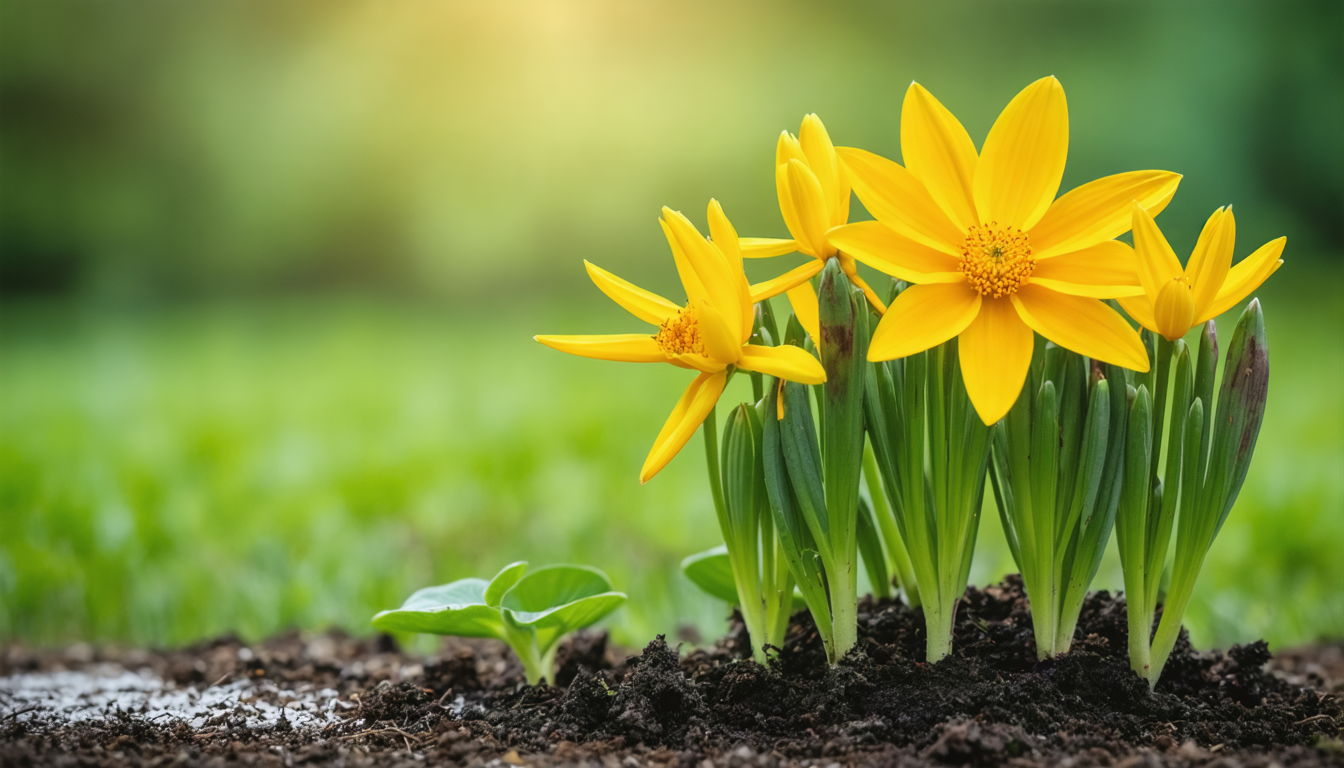
Here’s a proactive tip many gardeners overlook: you can “trick” spring bulbs into blooming indoors. By planting Paperwhite narcissus or Amaryllis bulbs in pots with pebbles and water, and keeping them in a cool, dark place for a few weeks before bringing them into the light, you can force them to flower. This provides a guaranteed burst of color and fragrance inside your home during the darkest days of December.
Tool Shed & Soil: Winter Garden Maintenance
December is a key month for garden upkeep that will pay dividends all year round.
To Prune or Not to Prune? A December Guide
Pruning in winter requires a careful approach. Use the following table as a quick guide:
| Do Prune | Don’t Prune |
|---|---|
| Ornamental grasses (cut back for clean structure) | Spring-flowering shrubs like Forsythia and Lilac (you’ll cut off the buds) |
| Dormant fruit trees like apples and pears | Anything that looks frost-damaged (wait until spring to assess) |
| Roses (in mild areas, a light prune to prevent wind rock) | Plants that are borderline hardy in your zone |
Caring for Your Lawn in the Cold
Avoid walking on your lawn when it is frosty, as the blades are brittle and will break, leaving yellow footprints. Keep it clear of a thick blanket of fallen leaves to prevent yellow patches and fungal diseases, but a light covering can actually provide a protective layer.
Tool Maintenance: A Quiet Season Project
With gardening activity at a low, it’s the perfect time to clean, sharpen, and oil your tools. A sharpened spade and secateurs will make spring tasks much easier and help prevent the spread of disease.
Wildlife and Sustainability: A Garden That Gives Back
Your winter garden can be a vital sanctuary for local wildlife and a hub for sustainable practices.
Supporting Birds and Beneficial Insects
Birds struggle to find food and fresh water when it’s frozen. Provide high-fat foods like suet cakes and keep a birdbath unfrozen. Also, consider leaving the seed heads of plants like Echinacea and Sedum standing—they provide food and habitat for birds and overwintering insects.
Starting a Winter Compost Pile
Decomposition slows down in the cold, but it doesn’t stop. You can continue to add kitchen scraps to your compost bin. To help it along, insulate the pile with a layer of straw or cardboard on top, and try to use a larger bin, as a bigger mass will retain heat better and decompose more effectively.
Frequently Asked Questions: Your December Gardening Queries Answered
Can I still plant anything in December?
Yes, you can! December is the ideal time for planting bare-root trees, shrubs, and roses, as they are dormant. You can also plant winter bedding plants like pansies and violas, provided the ground is not frozen solid.
How often should I water my garden in winter?
Water much less frequently. The key is to water during a dry spell when the ground isn’t frozen. Evergreens and new plantings are particularly vulnerable to “desiccation,” where they dry out from winter winds because they can’t pull water from the frozen ground.
Is it too late to mulch my garden beds?
Not at all. Applying a layer of mulch in early December is a perfect way to insulate plant roots from rapid temperature swings and freezing weather. It’s one of the best protective measures you can take.
What should I do with my patio containers?
Container plants are more vulnerable to freezing than those in the ground. Insulate them by moving pots to a sheltered spot against a house wall, grouping them together for mutual protection, or wrapping the pots in bubble wrap or hessian to protect the roots.
Conclusion: Your Winter Oasis Awaits
December isn’t a time to abandon the garden; it’s an opportunity to nurture it in new and rewarding ways. By following these Gardening Tips for December 2024: Brighten Your Winter Garden, you can create a beautiful, resilient, and lively outdoor space that provides joy and interest all season long. So wrap up warm, grab your gloves, and discover the unique pleasure of winter gardening.