The October Cleanup: Tidy Now, Thrive Later
“My garden looks like a mess. What should I clean up and what should I leave?”
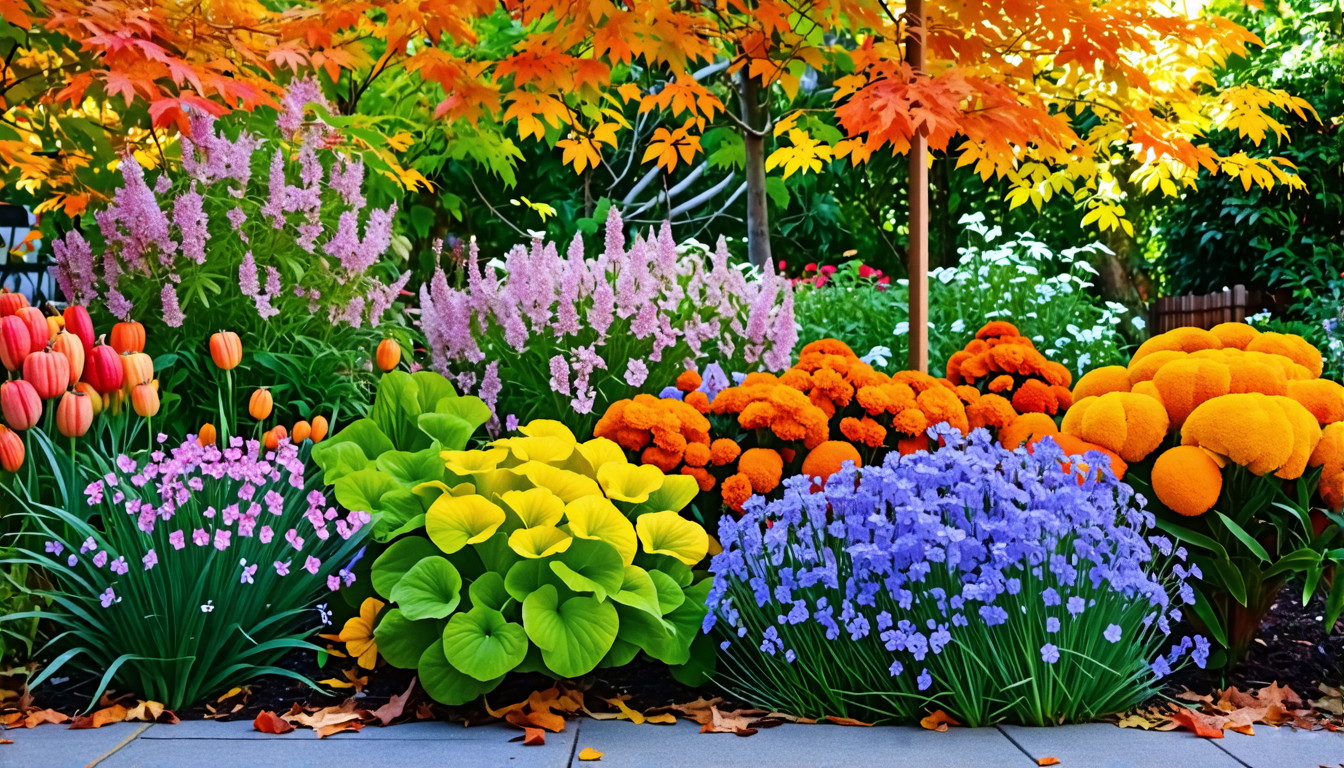
This is a common feeling as summer blooms fade. The key is strategic tidiness. Remove spent annuals and any diseased foliage, especially from vegetable plants like tomatoes and squash, to eliminate hiding spots for pests and disease spores. However, resist the urge to clear everything. Leave ornamental grasses, seed heads (to feed birds), and the stems of hardy perennials like coneflowers. They provide crucial winter interest in the garden and act as a habitat for beneficial insects.
The Great Leaf Debate: Rake or Mulch?
Fallen leaves don’t have to be a nuisance; they can be a resource.
| Action | When to Do It | Benefit |
|---|---|---|
| Raking | When a thick layer covers the lawn | Prevents smothering grass and allows light to reach the turf. |
| Mulching | For leaves on garden beds or after mowing over them on the lawn | Shredded leaves create a free, nutrient-rich mulch that protects plant roots and improves soil structure. |
Planting and Sowing in October’s Cool Soil
Bulbs for Spring Spectacle: Your Future Self Will Thank You
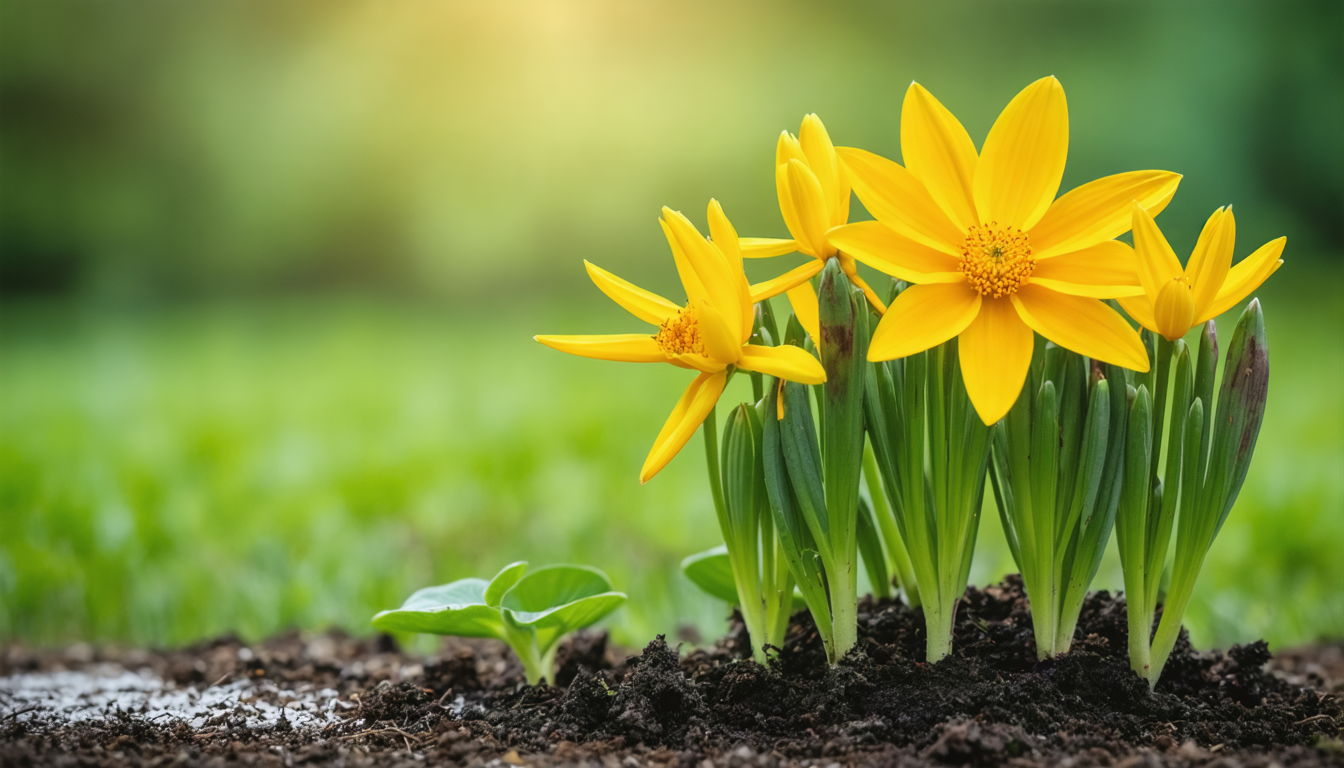
October is prime time for planting spring-flowering bulbs like tulips, daffodils, and crocuses. A unique method to maximize impact in a small space is “lasagna planting,” where you layer different types of bulbs at varying depths in a single container or garden bed. This technique ensures a long, sequential bloom period from a single planting spot.
Cool-Season Crops & Lawn Seeding
Contrary to popular belief, the planting season isn’t over. It’s the perfect time to plant garlic, shallots, and onion sets for a summer harvest. For lawns, October’s warm soil and cool air create the ideal conditions for seeding or overseeding cool-season grasses like fescue and rye.
Protecting Your Plants from the Coming Cold
To Cut Back or Not to Cut Back? A Perennial Guide
Knowing what to prune can save your plants from winter damage.
| Plant Type | October Action | Reasoning |
|---|---|---|
| Herbaceous Perennials (e.g., Hostas, Peonies) | Cut back after foliage dies back from frost. | Removes decaying material that can harbor disease. |
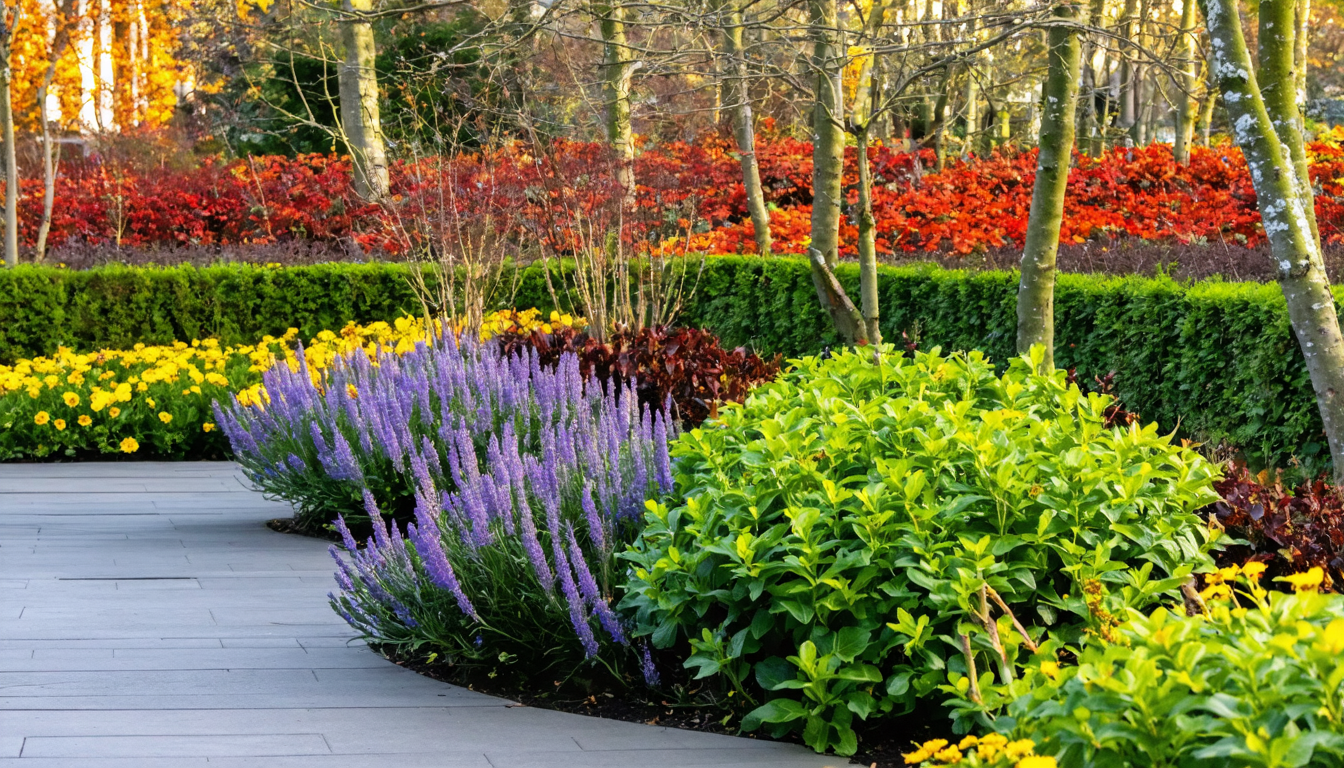
| Semi-Woody Perennials & Winter Interest Plants (e.g., Lavender, Ornamental Grasses) | Leave untouched until spring. | Protects the plant’s crown and provides structure and food for wildlife. |
The Ultimate Shield: Applying Winter Mulch
The timing of winter mulch is critical. Apply a layer of straw, shredded leaves, or wood chips after the ground has frozen solid. The primary purpose of winter mulch is not to keep the soil warm, but to keep it consistently frozen, preventing the destructive cycle of freezing and thawing that can heave plant roots out of the ground.
October Garden FAQ: Your Top Questions Answered
Is it too late to fertilize my lawn or garden in October?
For most garden plants, yes, you should avoid fertilizing as it can stimulate tender new growth that will be killed by frost. The exception is using a “winterizer” fertilizer on your lawn, which is high in potassium to strengthen grass roots for the cold months ahead.
Should I keep watering my garden in October?
Absolutely. If the autumn is dry, continue to water your garden, especially newly planted trees, shrubs, and perennials. Plants need to enter winter well-hydrated to prevent “winter burn,” which is desiccation caused by frozen ground and drying winds.
How can I improve my soil over the winter?
October is an excellent time to perform a soil test. Based on the results, you can add amendments like lime to raise pH or sulfur to lower it. These amendments need time to integrate into the soil, and winter provides that period. Another proactive step is to sow a cover crop, like winter rye, in empty vegetable beds to suppress weeds and add valuable organic matter when turned under in the spring.
One More Thing: A Unique October Task for a Healthier Garden
Sanitize Your Tools – A Ritual for Garden Longevity
This often-overlooked task is a simple yet powerful form of garden healthcare. Cleaning and oiling your pruners, shears, and spades before storing them for winter does more than just maintain their condition. A quick wipe with a disinfectant (like a diluted bleach solution or rubbing alcohol) kills any lingering pathogens from this season’s plants. This prevents you from accidentally spreading soil-borne diseases to healthy plants when you start gardening again in the spring.
By dedicating time in October to these essential tasks, you are not just closing down the garden for the year. You are actively investing in its future, ensuring a healthier, more resilient, and more vibrant landscape when spring arrives.