Introduction: The Rochester October Countdown
As the vibrant fall colors paint the Rochester landscape, a quiet urgency settles in the air. The crisp evenings are a clear signal: the first frost is on its way. For gardeners in our region, the average first frost date typically arrives in mid-to-late October. This guide provides essential steps to protect your hard work and ensure a vibrant garden next spring.
Your Pre-Frost Action Plan: What to Do Now
Tender Bulbs vs. Hardy Bulbs: Knowing the Difference
A common frustration is investing in beautiful summer bulbs only to have them rot in the ground over winter. The key is knowing which ones to save.
| Dig Up & Store (Tender) | Leave in Ground (Hardy) |
|---|---|
| Dahlias | Tulips |
| Cannas | Daffodils |
| Gladiolus | Crocus |
| Elephant Ears | Alliums |
Action: After the first light frost blackens the foliage, carefully dig up tender bulbs. Let them cure (dry out) for a few days, then store them in a cool, dry place like a basement in peat moss or wood shavings.
The Great Harvest: What to Pick Before the Freeze
Nothing is more disheartening than losing a prized tomato or pepper crop to a single unexpected cold snap.
Action: Harvest all remaining green tomatoes (they can ripen indoors on a windowsill), along with peppers, eggplant, beans, and summer squash. For root vegetables like carrots and parsnips, a light frost can actually convert their starches to sugars, making them sweeter. You can often leave them in the ground and mulch heavily with straw for winter harvesting—a unique trick for a continuous supply.
Tuck In Your Perennials and Shrubs
Rochester’s freeze-thaw cycles can literally push perennials out of the soil, a process called “heaving,” which exposes and kills the roots.
Action: Resist the urge to give your garden a severe fall haircut. Do not cut back most perennials, as the dead foliage helps protect the plant’s crown. Furthermore, leave plants with sturdy seed heads, like coneflowers and sedum, standing. They provide crucial food for native birds throughout the winter. After the ground is cold, apply a 3-6 inch layer of mulch, like shredded leaves or bark, to insulate the roots.
Protecting What’s Left: Extending the Season
Cover Up! Using Frost Blankets and Cloches
Waking up to a garden full of blackened, wilted plants is a gardener’s nightmare. The right cover can make all the difference.
| Material | Best Use & Effectiveness |
|---|---|
| Frost Cloth (Row Cover) | The best option; it’s lightweight, allows light and water through, and provides a few degrees of protection. |
| Old Bed Sheets | A decent temporary solution, but they can become heavy and damaging if they get wet from rain or dew. |
| Plastic Tarps | The worst option for direct covering. Plastic must not touch plants, as it transfers cold quickly and can “cook” plants if the sun hits it the next day. |
Action: Drape your chosen cover over plants before sunset to trap the day’s residual soil heat, ensuring the material reaches the ground on all sides.
Don’t Forget the Containers
Potted plants are especially vulnerable, with roots exposed on all sides, leading to cracked ceramic pots and frozen, dead plants.
Action: Move tender containers to a protected area like a garage or shed. For pots too heavy to move, group them together against a sheltered wall and wrap the pots themselves in bubble wrap or burlap to insulate the roots. Water pots deeply before a hard freeze, as moist soil retains heat far better than dry soil.
Looking Ahead: Smart Tasks for a Better Spring
Plant Spring-Blooming Bulbs
It’s easy to miss the narrow window for planting the bulbs that provide the first pops of spring color.
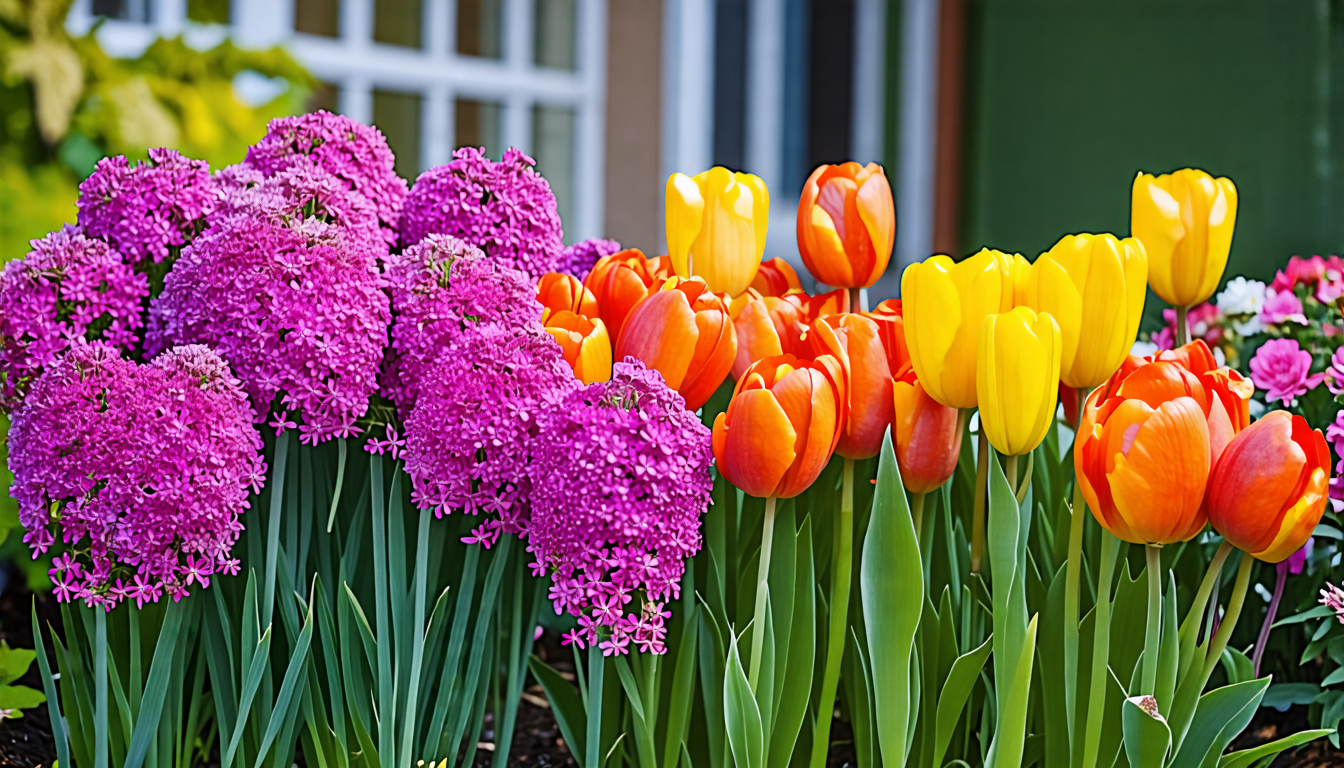
Action: October is the ideal time to plant tulips, daffodils, and crocuses. The soil is cool but not yet frozen. For a more natural, dramatic display, try planting bulbs in clusters or drifts rather than in single-file rows.
“Winterize” Your Lawn and Tools
Action: Give your lawn a final cut, setting the blade slightly shorter than your summer height. Thoroughly drain and store garden hoses to prevent freezing and cracking. Take the time to clean, sharpen, and oil your garden tools before storing them; they will be ready and rust-free for a productive spring.
October Gardening FAQ for Rochester
When is the absolute average first frost date for Rochester?
While the historical average is around October 15th, it can vary significantly from year to year and even within different parts of the city. It’s crucial to monitor local forecasts starting in early October.
Should I still be watering my garden in October?
Yes! This is a critical step often overlooked. Plants, especially evergreens and newly planted perennials, need to enter winter well-hydrated to prevent “winter burn” from drying winds. Continue to water deeply until the ground freezes solid.
Is it too late to fertilize my plants?
Do not fertilize trees, shrubs, or perennials in late fall. Fertilizing now can stimulate a flush of tender new growth that will be immediately killed by the frost, wasting the plant’s energy and potentially causing damage.
What should I do with all my fallen leaves?
Don’t bag them for the curb! This is a unique opportunity to create “gardener’s gold.” Shred the leaves by running over them with a lawn mower and use them as a free, nutrient-rich mulch for your garden beds or add them to your compost pile to create a fantastic soil amendment for next year.
Conclusion: Rest Easy This Winter
By following these steps, you have taken critical measures to protect your gardening investment. You can now enjoy the winter season with peace of mind, knowing your Rochester garden is well-prepared for the cold and ready to burst back into life when spring arrives.