Why Your Garden is a Magnet for Pests (And It’s Not Your Fault)
The Seasonal Shift: How Weather Changes Invite Trouble
Warmer temperatures accelerate insect life cycles, leading to population explosions just as your plants are at their most vulnerable. Spring rains don’t just hydrate your plants; they create humid, damp conditions that many pests, like slugs and fungus gnats, find irresistible. This perfect storm of new, tender plant growth and ideal breeding conditions makes your garden a prime target.
Common Garden Practices That Accidentally Roll Out the Welcome Mat
Many well-intentioned habits can backfire. Overwatering doesn’t just risk root rot; it creates perpetually damp soil, a five-star hotel for many soil-dwelling pests. Leaving decaying plant matter, like fallen leaves and spent annuals, provides the perfect hiding spot and breeding ground for insects to overwinter and multiply. Furthermore, planting the same crops in the same spot year after year (monocropping) allows pest populations that specialize in those plants to build up in the soil, waiting for their favorite meal to return.
The Unseen Invaders: Identifying Your Garden’s Biggest Threats
The Sap-Suckers: Aphids, Whiteflies, and Spider Mites
These tiny vampires cluster on the undersides of leaves and tender new growth, sucking the life out of your plants. The damage manifests as yellowing, curled, or stunted leaves. As they feed, they excrete a sticky residue called “honeydew,” which attracts ants and can lead to the growth of unsightly black sooty mold, further stressing the plant by blocking sunlight.
The Leaf-Munchers: Caterpillars, Japanese Beetles, and Slugs
These pests are the vandals of the garden, leaving behind chewed leaves, irregular holes, and in severe cases, reducing lush foliage to mere skeletons overnight. Slugs and snails, active mostly at night and on damp days, leave a tell-tale silvery slime trail on the leaves and soil around damaged plants.
The Soil Dwellers: Grubs and Root Maggots
Perhaps the most insidious of garden pests, the damage they cause happens out of sight. Grubs (the larval stage of beetles) chew through grass roots, causing brown patches in lawns, and will also feed on the roots of garden plants. Root maggots target specific vegetables like carrots, radishes, and onions. The first sign of trouble is often a plant that wilts and dies despite adequate water, because its root system has been destroyed underground.
Chemical vs. Natural: Choosing Your Pest Control Strategy
The Quick Fix: Pros and Cons of Chemical Pesticides
| Pros | Cons |
|---|---|
| Fast-acting and highly effective against established infestations. | Can harm or kill beneficial insects, crucial pollinators like bees, and soil microbiology. |
| Provides a broad-spectrum solution. | Potential for chemical runoff to contaminate local water sources. |
| Pests can develop resistance over time, creating a cycle of dependency. |
The Integrated Approach: Pros and Cons of Natural & Organic Solutions
| Pros | Cons |
|---|---|
| Safer for pets, children, and the overall garden ecosystem. | Often requires more consistent application and patience to see results. |
| Supports long-term soil and plant health. | Solutions can be more targeted, requiring precise pest identification. |
| Pests are less likely to develop resistance. | May be less effective on large, severe infestations. |
The Verdict: Why a Balanced Gardening Strategy Wins
The most effective approach is Integrated Pest Management (IPM). This means building your garden’s defense on a foundation of natural, preventative methods like healthy soil and companion planting. Chemical interventions are then used only as a targeted, last resort for severe infestations that natural methods cannot control, minimizing their environmental impact.
Your Secret Weapon: Strategic Planting for Pest Control
Companion Planting: Nature’s Pest-Repelling Partnerships
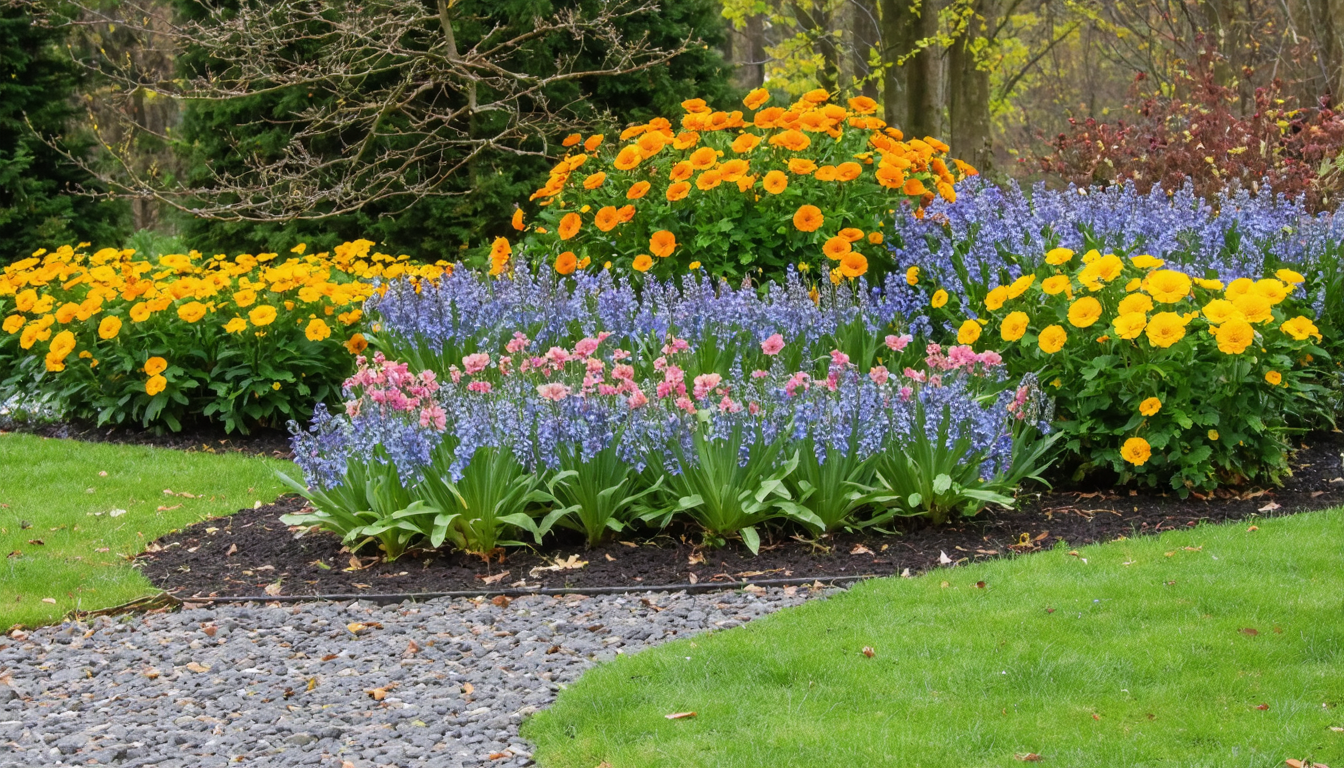
This age-old practice uses the natural properties of certain plants to protect their neighbors. For example, the strong scent of marigolds is known to deter nematodes and beetles, while basil planted near tomatoes can help repel tomato hornworms. Similarly, the pungent aroma of garlic and chives can discourage aphids from settling in.
The “Trap Crop” Trick: A Sacrificial Lamb for Your Garden
Here’s a clever strategy many gardeners overlook: instead of just repelling pests, you can actively lure them away. Plant a crop you *don’t* care about as much to attract pests *away* from your prized vegetables. Nasturtiums, for instance, are highly attractive to aphids. By planting them on the perimeter of your garden, the aphids will flock to the Nasturtiums, leaving your other plants alone. Once the trap crop is sufficiently infested, you can simply pull it up and dispose of it, removing a large portion of the pest population with it.
Beyond the Plants: Fortifying Your Garden’s Defenses
Encourage the Good Guys: Attracting Beneficial Insects
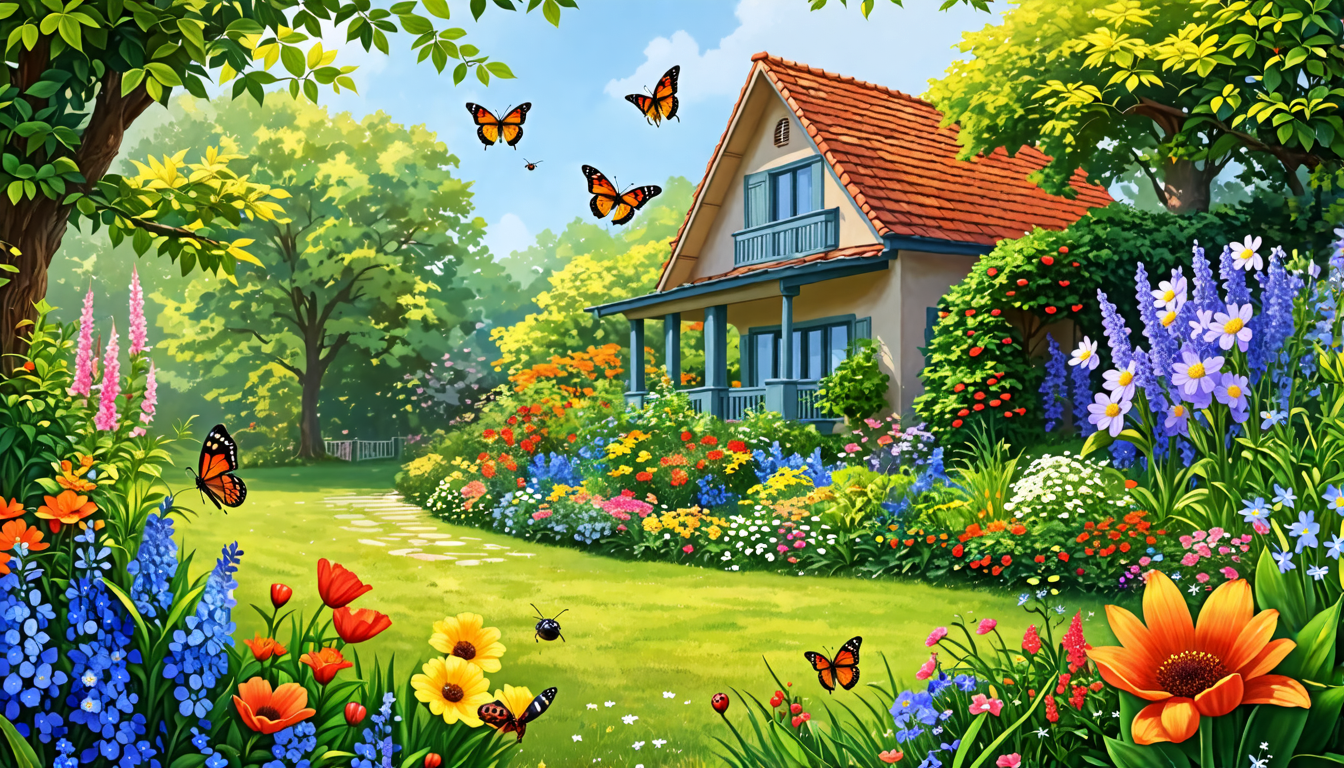
Not all insects are the enemy. You can recruit a powerful army of natural predators by planting flowers that provide them with nectar and pollen. Plants like yarrow, dill, fennel, and cosmos attract ladybugs (which devour aphids), lacewings, and parasitic wasps, which are voracious predators of many common garden pests.
Create Physical Barriers
Sometimes the simplest solution is the best. Floating row covers, which are lightweight fabrics draped over crops, create an impenetrable barrier that stops pests from ever reaching the plants while still allowing light and water through. For ground-crawling pests like slugs and snails, a ring of diatomaceous earth around plant stems acts like a field of broken glass, fatally dehydrating their soft bodies.
Frequently Asked Questions (FAQs) About Garden Pests
I see bugs on my plants, but no damage. Should I spray them?
Not necessarily! The presence of an insect doesn’t automatically mean it’s a pest. Many insects are beneficial predators, pollinators, or simply neutral bystanders. Your first step should always be to identify the insect. Spraying indiscriminately can wipe out the beneficial insects that are working in your favor, ultimately making your pest problem worse.
What is the one thing I can do to make the biggest impact on pest control?
Focus on building healthy, living soil. This is the most overlooked secret to pest resistance. Healthy soil, rich in organic matter and beneficial microbes, grows strong, resilient plants. Just like a person with a strong immune system is better at fighting off illness, a healthy plant is naturally more resistant to pest and disease pressure. This foundational principle is more impactful than any spray.
Are homemade sprays (like soap spray) safe and effective?
They can be effective for soft-bodied insects like aphids, mites, and whiteflies by breaking down their outer coating. However, they must be used correctly. Always test any homemade spray on a single leaf or a small section of the plant first and wait 24-48 hours to check for sensitivity or leaf burn. Avoid spraying in the heat of the day or in full sun, as this can magnify the effect and scorch the leaves. Use pure castile soap, not detergent-based soaps, which can harm plants.
I’ve tried everything and I’m still losing the battle. What now?
Don’t get discouraged! The next best step is to tap into a hyper-local resource: your local county extension office. These offices are staffed with horticulture experts who provide free, science-based advice specific to the pests, diseases, and soil conditions in your exact region. They can help you identify the culprit with certainty and recommend the most effective, localized strategies to reclaim your garden.