What is Lunar Phase Gardening? The Core Principles
Lunar phase gardening is an ancient practice that aligns horticultural tasks with the moon’s cycles. It’s not about superstition, but about synchronizing with natural rhythms to potentially enhance plant health and yield.
It’s Not Magic, It’s Gravity and Light
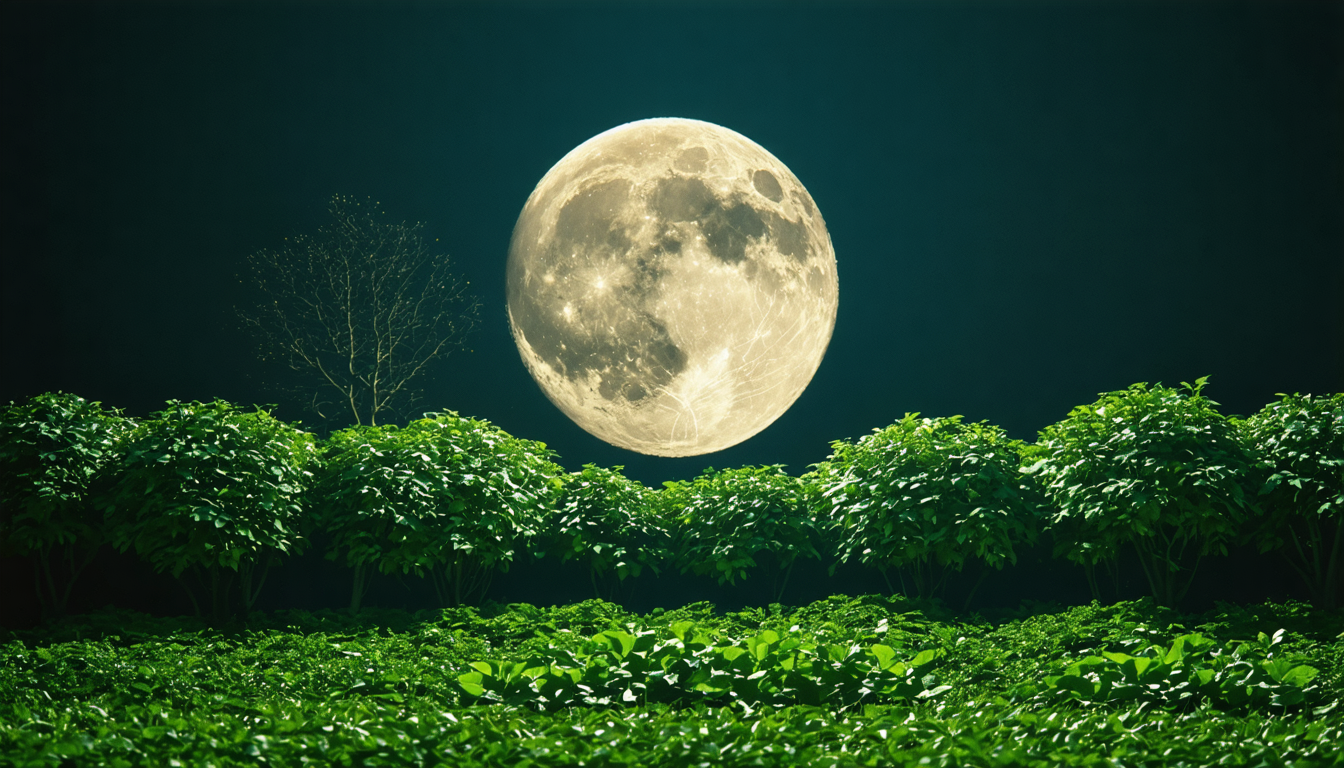
The science behind lunar gardening hinges on two key forces. The moon’s gravitational pull affects soil moisture levels, much like it creates ocean tides, making water more accessible to plants. Additionally, the intensity of moonlight, though subtle, is believed to influence plant growth hormones and photosynthesis rates.
The Four Key Moon Phases for Gardeners
Understanding these phases is fundamental to practicing lunar gardening effectively.
| Moon Phase | Gardening Focus | Recommended Tasks |
|---|---|---|
| New Moon | Rest & Planning | Soil preparation, planning garden layouts, taking a break from planting. |
| Waxing Moon | Growth (Above Ground) | Planting annuals that produce crops above soil, grafting, applying liquid fertilizers. |
| Full Moon | Peak Energy & Harvest | Harvesting fruits and vegetables for immediate use, applying balanced fertilizers. |
| Waning Moon | Root Development & Maintenance | Planting root crops, pruning, weeding, pest control, and transplanting. |
Common Gardening Challenges and Lunar Solutions
Many gardeners face recurring issues that can be mitigated by aligning their work with the lunar calendar.
Poor Seed Germination and Slow Growth
Seeds often fail to sprout or plants seem to stagnate. The lunar solution is to plant during the waxing moon. The increasing gravitational pull draws more moisture into the soil and up into the seed, encouraging it to swell and burst open, while increasing moonlight supports early leaf development.
Weak Root Systems
Plants that topple over easily or show stunted growth may have underdeveloped roots. By planting root crops like carrots and potatoes during the waning moon, the plant’s energy is naturally drawn downward, focusing on establishing a strong and extensive root system before the top growth explodes.
Pest and Weed Infestations
Constant battles with weeds and insects can be draining. Tackling these issues is most effective during the waning moon, especially in the last quarter. Plants are in a less active growth phase and are more resilient to the stress of weeding and pest control, which can be more impactful during this time.
The November 2, 2024 Advantage: A Gardener’s Calendar
This specific date presents a uniquely powerful alignment for gardeners practicing this method.
The Moon’s Position on This Specific Date
On November 2, 2024, the moon will be in its Waxing Crescent phase, having just passed the New Moon. Crucially, it will also be transiting through the zodiac sign of Pisces, one of the most fertile water signs.
Your Action Plan for the Garden
This combination creates an exceptional window for planting. The increasing light of the Waxing Moon promotes leaf and stem growth, while the fertile energy of Pisces enhances seed germination and plant vitality.
| Priority Task | Recommended Plants | Additional Actions |
|---|---|---|
| Sowing seeds and transplanting | Cold-hardy leafy greens (spinach, kale, lettuce), herbs for indoor windowsills. | Apply liquid fertilizers to support the initial growth surge. |
Lunar Gardening vs. Conventional Gardening: A Quick Comparison
Understanding the differences helps in choosing an approach or blending methods.
| Aspect | Lunar Gardening | Conventional Gardening |
|---|---|---|
| Core Philosophy | Works in harmony with natural cosmic rhythms; holistic and preventative. | Relies on human-made schedules, soil tests, and corrective measures like fertilizers and pesticides. |
| Timing of Tasks | Dictated by the moon’s phase and its path through the zodiac signs. | Dictated by calendar seasons, last frost dates, and immediate weather forecasts. |
| Primary Goal | Improved overall plant vitality, flavor, and storage longevity with fewer external inputs. | Maximum yield and visually perfect produce, often achieved with the aid of chemical inputs. |
The Hidden Layer: The Zodiac’s Role in Lunar Gardening
Beyond the basic moon phases, an advanced layer of lunar gardening considers the moon’s transit through the 12 zodiac signs, each associated with one of the four classical elements. This refines the timing of gardening tasks for optimal results.
| Element & Signs | Classification | Best For |
|---|---|---|
| Water (Pisces, Cancer, Scorpio) | Fruitful & Productive | Prime time for planting most crops, especially leafy greens and fruits. (November 2, 2024, is in Pisces!). |
| Earth (Taurus, Virgo, Capricorn) | Fertile & Productive | Excellent for planting, with a particular affinity for root crops. |
| Air (Gemini, Libra, Aquarius) | Barren & Dry | Ideal for harvesting, cultivating soil, and pest control. |
| Fire (Aries, Leo, Sagittarius) | Barren & Dry | Best suited for weeding, pruning, and destroying pest habitats. |
Frequently Asked Questions (FAQs) About Lunar Gardening
Is there any scientific proof that lunar gardening works?
While large-scale, replicated scientific studies are sparse, the principles are grounded in observable natural forces like gravity and light. Many organic, biodynamic, and traditional farmers report consistently better results, including improved germination rates, plant vigor, and crop longevity, suggesting its practical efficacy.
Can I practice lunar gardening if I only have indoor plants?
Absolutely. The same lunar principles apply to indoor gardening. Repotting and fertilizing during the waxing moon can encourage growth, while pruning or dealing with pests is best done during the waning moon when plants are more resilient.
What if I miss the perfect moon phase for a task?
Don’t worry! Lunar gardening is a guide, not a rigid rulebook. The “best” days are optimal, but not the only days you can succeed. The next favorable phase is always on the horizon. The most important step is to garden consistently.
How do I start with lunar gardening?
Begin simply. Note the current moon phase on your calendar. For your first experiment, try planting a small patch of lettuce or herbs during the next waxing moon and observe the results. Using a lunar gardening almanac can provide specific daily recommendations to help you get started.