The Lush Life: A Guide to Home Gardening with Leaves and Vines
Briefly introduce the aesthetic and practical benefits of incorporating foliage and climbing plants into a home garden. Mention how this style can transform small spaces, create privacy, and add texture. Naturally include the keyword: “Whether you have a sprawling backyard or a cozy balcony, home gardening with leaves and vines offers a versatile and rewarding path to a greener living space.”
Why Choose a Foliage-Focused Garden? The Power of Leaves and Vines
Solving Common Gardener Challenges
- Lack of Sunlight: Many stunning foliage plants (e.g., Hostas, Ferns, Calatheas) thrive in shade, solving the problem of dark corners.
- Low Maintenance Needs: A garden rich in leaves and vines often requires less deadheading and constant care than a flower-heavy garden.
- Creating Privacy and Screening: Vines are the ultimate solution for quickly covering unsightly fences, walls, or creating a natural privacy screen.
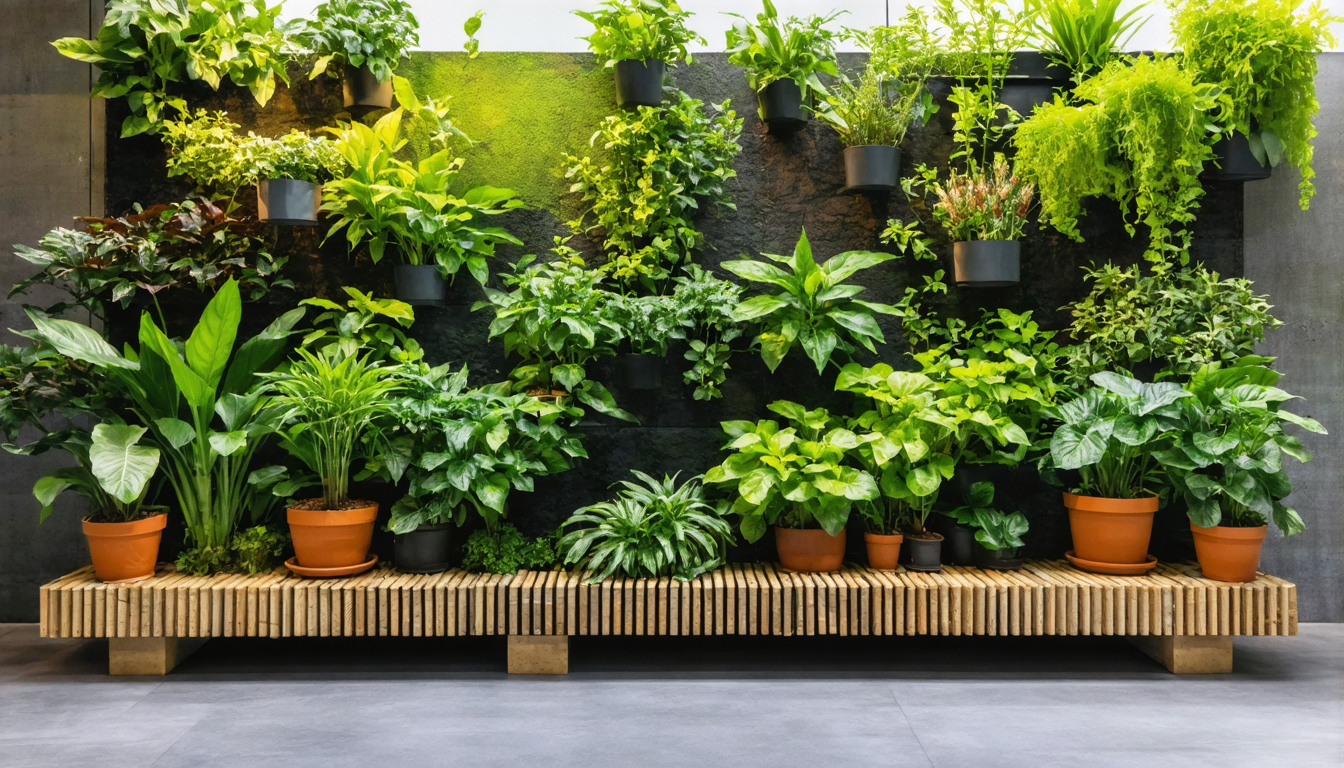
- Adding Dimension to Small Spaces: Utilizing vertical space with vines makes small gardens feel larger and more immersive.
The Unique Benefits You Might Not Know
- Improved Air Quality: Beyond the well-known Snake Plant, many vining plants like English Ivy and Philodendron are excellent at filtering indoor and outdoor air pollutants.
- Natural Temperature Control: A dense canopy of leaves and vines can cool a patio or wall by several degrees, reducing heat absorption.
- The “Living Mulch” Secret: Allow certain non-invasive, ground-cover vines (like Sweet Potato Vine) to sprawl. They act as a living mulch, suppressing weeds and retaining soil moisture.
Selecting the Perfect Plants for Your Garden
Show-Stopping Foliage Plants (For Leaves)
- For Shade: Heuchera (Coral Bells), Coleus, Hosta
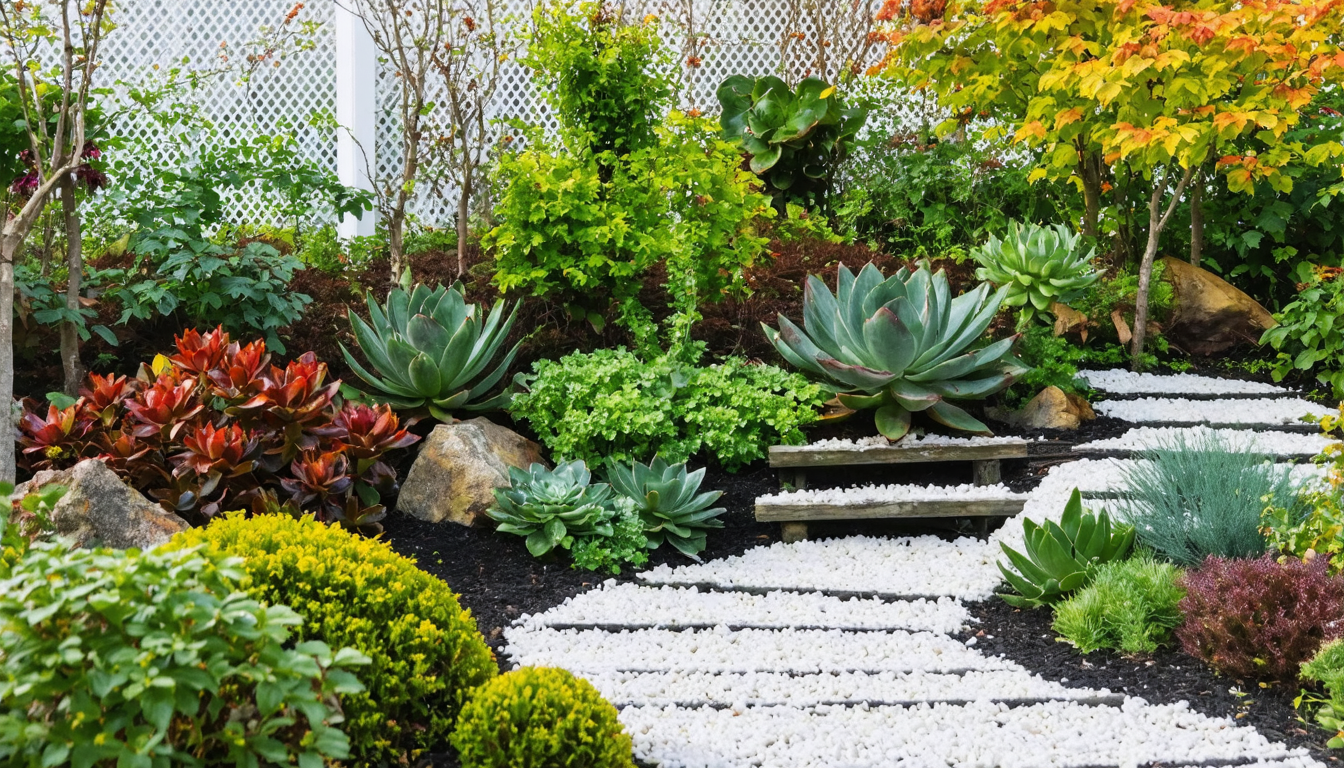
- For Sun: Ornamental Grasses, Canna Lily, Dusty Miller
Unique Insight: Look for plants with variegated leaves (like Variegated Swedish Ivy). The white or yellow sections reflect light, helping to brighten up shady areas naturally.
Dynamic Climbing Plants (For Vines)
- For Quick Coverage: Morning Glory, Black-Eyed Susan Vine
- For Fragrance: Jasmine, Honeysuckle, Moonflower
- For Edible Gardens: Pole Beans, Peas, Malabar Spinach
Unique Insight: Understand the difference between “clingers” (like Ivy that attach themselves) and “twiners” (like Clematis that wrap around supports). This is crucial for choosing the right support structure and protecting your home’s siding.
Leaves vs. Vines: A Practical Comparison
Visual Impact and Space Usage
| Aspect | Leaves (Foliage Plants) | Vines (Climbing Plants) |
|---|---|---|
| Primary Role | Excel at creating texture, color blocks, and ground-level interest. They define the garden’s “floor.” | Master of vertical space, drawing the eye upward, creating layers, and adding a sense of drama and enclosure. |
Maintenance and Care Considerations
| Aspect | Leaves (Foliage Plants) | Vines (Climbing Plants) |
|---|---|---|
| Typical Tasks | Often require division every few years but generally less pruning. Focus is on soil health and pest control (like slugs). | Require more frequent pruning and training to guide growth and prevent them from becoming invasive or overwhelming other plants. |
Essential Care Tips for Thriving Leaves and Vines
Planting and Support Structures
- How to properly plant a vining plant near a trellis, obelisk, or wall.
- DIY support ideas: bamboo teepees, wire grids, repurposed ladders.
Watering, Feeding, and Pruning
- The “finger test” for watering foliage plants.
- Best organic fertilizers for promoting lush leaf growth (higher Nitrogen).
- When and how to prune vines to encourage bushier growth and more flowers/leaves.
Frequently Asked Questions (FAQs) About Home Gardening with Leaves and Vines
Can I practice home gardening with leaves and vines indoors?
Absolutely! Many vining plants like Pothos, Philodendron, and String of Pearls are popular, low-maintenance houseplants that purify the air.
What is the fastest-growing vine for quick privacy?
For annual speed, Morning Glory or Hyacinth Bean Vine. For a perennial option, Silver Lace Vine or certain types of Honeysuckle are very vigorous.
My vine isn’t climbing. What am I doing wrong?
The plant might need initial help. Gently tie the tendrils to the support with soft twine until it can latch on by itself. Also, check if it’s a “twiner” trying to climb a flat wall—it needs a trellis or wires.
Are there any vines I should avoid?
Yes, be cautious with invasive species like English Ivy (in some regions), Kudzu, or Japanese Honeysuckle. Always check with your local nursery or extension service for region-specific advice.
Conclusion: Reiterate the joy and versatility of designing a garden around the beautiful textures of leaves and the dynamic shapes of vines. Encourage the reader to start small, experiment, and watch their vertical oasis come to life.