The Core Principles of Natural Pest Control
The foundation of natural pest management isn’t about finding a magic spray; it’s about cultivating a balanced garden ecosystem where problems are less likely to start.
Prevention is Your First and Best Defense
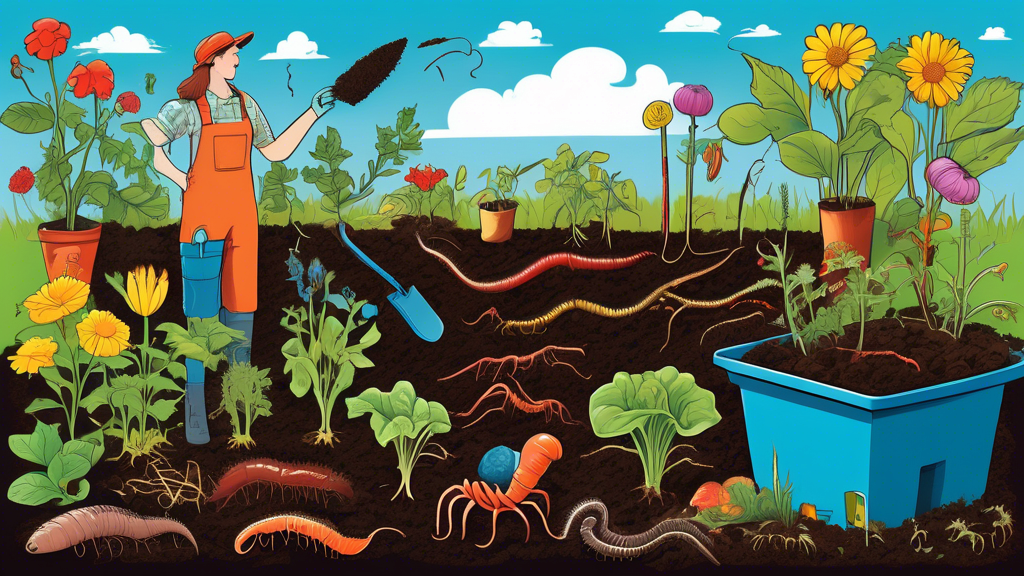
A pest is often a symptom of a plant under stress. Your primary goal should be to create an environment where your plants are so healthy and resilient that they are less appealing to pests. This starts with building vibrant, living soil through composting, practicing crop rotation to confuse and disrupt pest life cycles, and encouraging a rich biodiversity of plant life.
The “Wait and See” Approach: Tolerating Minor Damage
In an organic garden, perfection is not the goal. A few chewed leaves are not a crisis; they are a sign that your garden is part of a living, breathing ecosystem. Tolerating a low level of pest activity is crucial, as it provides a food source for the beneficial predatory insects you want to attract, creating a self-regulating system.
Identification is Key: Know Your Friend from Your Foe
Before you take any action, you must correctly identify the insect. Reaching for a spray—even a natural one—at the first sign of a bug can be a catastrophic mistake. Many insects, like the larvae of ladybugs and hoverflies, are voracious predators of common pests. Eliminating them only makes your pest problem worse.
Common Pest Problems & Their Natural Solutions
When preventative measures aren’t enough, here are targeted, natural solutions for the most common garden pests.
Dealing with Sap-Suckers (Aphids, Whiteflies, Spider Mites)
These pests weaken plants by piercing leaves and stems to suck out sap.
- Blast Them Off: A strong jet of water from your hose can dislodge and kill many soft-bodied sap-suckers.
- Homemade Insecticidal Soap: Mix 1-2 teaspoons of pure castile soap (like Dr. Bronner’s) per quart of water. Spray directly on the pests. The soap breaks down their outer coating, causing them to dehydrate.
- Beneficial Allies: Release or attract ladybugs, lacewings, and hoverflies, which are natural predators.
Deterring Chewing Pests (Caterpillars, Beetles, Slugs)
These pests leave behind visible holes and damage on leaves and fruits.
- Hand-Picking: The most direct method. Go out in the early morning or evening with a bucket of soapy water and pick them off your plants.
- Diatomaceous Earth (DE): Sprinkle food-grade DE around the base of plants. Its microscopic sharp edges pierce the exoskeletons of crawling insects, causing them to dehydrate. Note: Use sparingly and reapply after rain; it can also harm beneficial insects.
- Beer Traps for Slugs & Snails: Bury a shallow container (like a yogurt cup) up to its rim and fill it with cheap beer. Slugs are attracted to the yeast, fall in, and drown.
Outsmarting Burrowing & Root Pests
Pests like grubs and root knot nematodes attack plants from below the soil.
- Beneficial Nematodes: These microscopic, worm-like organisms are mixed with water and applied to the soil. They seek out and infect soil-dwelling pest larvae, killing them.
- Physical Barrier – Row Covers: Lightweight fabric row covers placed over crops immediately after planting create a physical barrier that prevents pests like cabbage moths and carrot rust flies from laying eggs on the plants.
Proactive Strategies: Building a Pest-Resistant Garden
Transform your garden from a pest target into a pest-resistant fortress using these advanced techniques.
Companion Planting: Your Plant’s Bodyguards
Certain plant combinations can repel pests, attract beneficials, or even enhance growth.
| Companion Plant | Plant It With… | To Deter/Attract… |
|---|---|---|
| Marigolds (French & African) | Tomatoes, Peppers | Repel root-knot nematodes in the soil. |
| Basil | Tomatoes, Asparagus | Repels tomato hornworms, mosquitoes, and flies. |
| Nasturtiums | Cucumbers, Squash, Fruit Trees | Act as a “trap crop,” attracting aphids away from your main crops. |
| Dill & Fennel | Lettuce, Cabbage | Attract predatory wasps that prey on caterpillars. |
Inviting the Cavalry: How to Attract Beneficial Insects
Your most effective pest control is free and self-sustaining. To attract beneficial insects, you need to provide them with what they need: food, water, and shelter.
- Food: Plant a variety of flowers with small, open blooms that provide nectar and pollen. Excellent choices include yarrow, dill, fennel, cosmos, alyssum, and sunflowers.
- Shelter: Leave some areas of your garden a little “wild.” A small brush pile, a patch of perennial herbs, or even an “insect hotel” provides crucial hiding and overwintering spots.
DIY Natural Pest Sprays You Can Make at Home
When you need a direct intervention, these homemade sprays are effective and safe.
| Spray Type | Best For | Basic Recipe & Use |
|---|---|---|
| Garlic & Chili Pepper Spray | A broad-spectrum repellent for many chewing and sucking insects. | Blend 2 garlic bulbs and 2 hot peppers with 2 cups of water. Strain, add 1 tbsp soap, and dilute with 1 gallon of water. Always test on a leaf first and wear gloves! |
| Neem Oil Solution | Aphids, mites, scale, and fungal diseases. It disrupts pest hormones and feeding. | Mix 1-2 tsp neem oil and 1/2 tsp soap in 1 quart of warm water. Shake well and spray on all leaf surfaces. Most effective as a preventative. |
| Fermented Plant Juice (FPJ) | A unique Korean Natural Farming input to boost plant health and resilience. | This is a unique technique: ferment pest-damaged leaves from vigorous plants (like nettles or mugwort) with brown sugar. The resulting liquid is diluted and used as a foliar spray, transferring the “resilience” and growth energy of the strong plant to your vulnerable crops. |
Natural vs. Chemical: Understanding the Trade-Offs
Choosing a pest control method is a decision with long-term consequences for your garden’s health.
Why Synthetic Pesticides Backfire in an Organic Garden
Synthetic pesticides are non-discriminatory; they kill the good bugs along with the bad. By eliminating the predatory insects that naturally keep pest populations in check, you create a “vacuum” that allows pests to return in even greater numbers, often with resistance to the chemical. This leads to a dependency known as the “pesticide treadmill.” Furthermore, these chemicals can harm earthworms and microbial life, degrading the very foundation of your soil’s health.
The Long-Term Benefits of the Natural Approach
While natural methods may require more patience and observation, their benefits are cumulative. You are not just solving a single problem; you are investing in the overall resilience of your garden. Each season, the soil becomes richer, the population of beneficial insects grows, and your garden becomes better at defending itself. This creates a safer environment for your family, pets, and vital pollinators.
Frequently Asked Questions (FAQs) About Natural Pest Control
Is it safe to use soap spray on all my plants?
Most plants tolerate insecticidal soap well, but some, like peas, lettuce, and certain succulents, can be sensitive. It’s always best to test the spray on a small, inconspicuous part of the plant and wait 24-48 hours to check for damage (leaf scorching or yellowing). Avoid spraying in the heat of the day or in direct, hot sun to prevent leaf burn.
Will natural methods kill the good bugs too?
It depends on the method. Broad-spectrum contact sprays like insecticidal soap and neem oil can harm any soft-bodied insect they directly contact, including beneficials. This is why targeted application is crucial—only spray the infested leaves, not the entire garden. Methods like companion planting, attracting beneficials, and using physical barriers have no negative impact on your garden’s allies.
My natural spray didn’t work instantly. What am I doing wrong?
You are likely expecting the wrong result. Natural controls are often management and suppression tools, not instant eradicators. They work over time by disrupting pest feeding and reproduction, repelling new pests, or strengthening the plant. Consistency and early application are far more important than a single, powerful dose. Reapply according to the recipe instructions, especially after rain.
What’s the one thing most gardeners don’t know about pest control?
Many gardeners don’t realize that ants are often “farmers” for pests like aphids and scale. Ants protect these sap-sucking insects from predators like ladybugs because they harvest the sweet “honeydew” the pests excrete. If you see a lot of ants running up and down your plants, look for an aphid colony they are guarding. Controlling the ant population (e.g., with a sticky barrier on the trunk) can often lead to a natural decline in the pest population, as their bodyguards are gone and predators can move in.