The Gardener’s Top Challenges (And Why They’re a Problem)
The “Mystery Muncher”: When You See Damage But No Pest
The frustration of chewed leaves, stunted growth, and disappearing seedlings with no culprit in sight can make any gardener feel defeated. It turns gardening from a joy into a stressful whodunit.
The Rapid Infestation: How a Few Pests Become an Army Overnight
The stress and feeling of being overwhelmed when a small, manageable problem explodes into a full-blown crisis can make you want to give up. Many pests reproduce at astonishing rates, making early detection critical.
The Chemical Conundrum: Fear of Harming Plants, Pets, or Pollinators
The dilemma of wanting to protect your hard work without using harsh pesticides that damage the ecosystem, harm beneficial insects, or pose risks to your family and pets is a primary concern for the modern gardener.
A Visual Guide to Identifying Common Garden Pests
Leaf-Chewing Pests (The Obvious Vandals)
These pests leave clear, visible evidence of their feasting.
- Caterpillars & Loopers: Large, irregular holes in leaves; often find green frass (droppings).
- Japanese Beetles: Skeletonized leaves, leaving only the veins. Metallic green/bronze beetles are easily spotted.
- Slugs & Snails: Irregular holes with a tell-tale silvery slime trail, especially active after rain or at night.
Sap-Sucking Pests (The Silent Weakeners)
These pests are often smaller but can cause widespread damage by draining plant vitality.
- Aphids: Tiny green, black, or red bugs clustered on new growth and undersides of leaves; often cause sticky “honeydew” and sooty mold.
- Spider Mites: Tiny, nearly invisible; look for fine webbing on plants and a stippled, yellowing pattern on leaves.
- Whiteflies: Clouds of tiny white insects when plant is disturbed; also produce honeydew.
Soil-Dwelling Pests (The Underground Saboteurs)
These pests attack from below, often going unnoticed until significant damage is done.
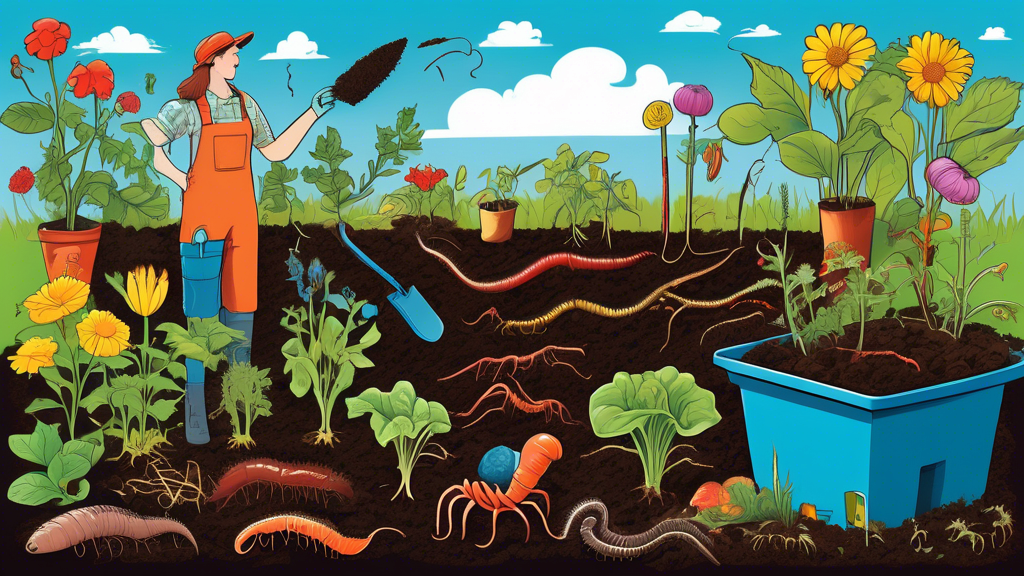
- Grubs: C-shaped, white larvae in the soil; cause plants to wilt and die due to eaten roots.
- Cutworms: Hide in soil by day, emerge at night to chew through seedling stems at the base.
Your Arsenal for Control: From Gentle to Firm
Prevention: The First and Best Line of Defense
The most effective pest control happens before an infestation even begins.
- Encourage beneficial insects (ladybugs, lacewings) by planting companion flowers like marigolds, dill, and yarrow.
- Practice crop rotation and interplanting to confuse and disrupt pest life cycles.
- Keep your garden clean of debris where pests can shelter and overwinter.
Physical & Mechanical Controls
These methods involve physically removing or blocking pests from your plants.
- Hand-picking larger pests like beetles and caterpillars.
- Using a strong spray of water from a hose to dislodge aphids and spider mites.
- Installing physical barriers like floating row covers or copper tape for slugs.
Organic & Biological Solutions
These solutions leverage natural products and organisms to manage pest populations.
- Insecticidal Soaps & Horticultural Oils: Smother soft-bodied insects like aphids and mites without residual harm.
- Neem Oil: A natural pesticide that disrupts pest feeding and acts as a repellent.
- Introduce Beneficial Nematodes: A unique and powerful biological control. These microscopic worms are a gardener’s secret weapon. You mix them with water and apply them to your soil, where they actively seek out and parasitize grubs, flea larvae, and other soil-dwelling pests, eliminating them from the inside out without a single chemical.
When to Consider Chemical Pesticides
This should always be a last resort for severe, uncontrollable infestations. Always select the most targeted product available, and follow label instructions meticulously to minimize harm to pollinators, pets, and the environment.
Pest Control Showdown: A Quick Comparison Guide
| Control Method | Best For | Key Consideration |
|---|---|---|
| Neem Oil | Prevention; wider range of pests (including fungi); has a residual repellent effect. | Can harm beneficial insects if applied directly to them. |
| Insecticidal Soap | Direct contact with active infestations of soft-bodied insects (aphids, mites). | No residual effect; must coat the pest to work; very low risk to beneficials once dry. |
| Diatomaceous Earth | Crawling insects above ground (ants, slugs, beetles). | Works by physical abrasion and dehydration; becomes ineffective when wet. |
| Beneficial Nematodes | Soil-dwelling larvae (grubs, cutworms, flea larvae). | Actively seek out and kill hosts; require moist soil to move and are harmless to earthworms and plants. |
Frequently Asked Questions (FAQs) About Garden Pests
Are all bugs in my garden bad?
Absolutely not! In fact, over 95% of the insects in a healthy garden are either beneficial or harmless. Pollinators like bees are essential for fruiting plants, and predatory insects like ladybugs and praying mantises are your natural army against pests.
I see holes in my leaves, but I can’t find the pest. What should I do?
This is a classic sign of nocturnal feeders. Grab a flashlight and head out to your garden after dark. You’ll likely find the culprits, such as slugs, cutworms, or earwigs, actively feeding.
Will homemade sprays (like garlic or chili) really work?
They can act as mild repellents, but their effectiveness is often inconsistent. Furthermore, they can harm or burn plant leaves if not diluted properly. Proven organic solutions like insecticidal soap and neem oil are generally more reliable and safer for your plants.
My pest problem keeps coming back. What am I missing?
A recurring pest problem is often a symptom of a larger issue, such as chronic plant stress from incorrect watering, poor soil quality, or insufficient sunlight. Focus on building overall plant health and soil vitality to create a more resilient garden that can better withstand pest pressure. Consistent, integrated pest management is the key to long-term success.