Understanding the Challenge: Gardening When Water is Scarce
The Primary Difficulties of Drought Gardening
Gardening during a drought presents several significant challenges that can test even the most dedicated gardener. Watching established plants you’ve nurtured for years wilt and die despite your efforts is heartbreaking. Financially, the cost can be staggering, with water bills skyrocketing due to the need for constant irrigation. This often leads to a feeling of guilt or frustration, creating a conflict between the desire for a beautiful outdoor space and the responsibility to conserve water. Compounding these issues, the soil itself becomes an adversary, turning hard, cracked, and hydrophobic, meaning it actively repels water instead of absorbing it.
The Foundation of a Drought-Resilient Garden
Soil is Your Secret Weapon: The Sponge Effect
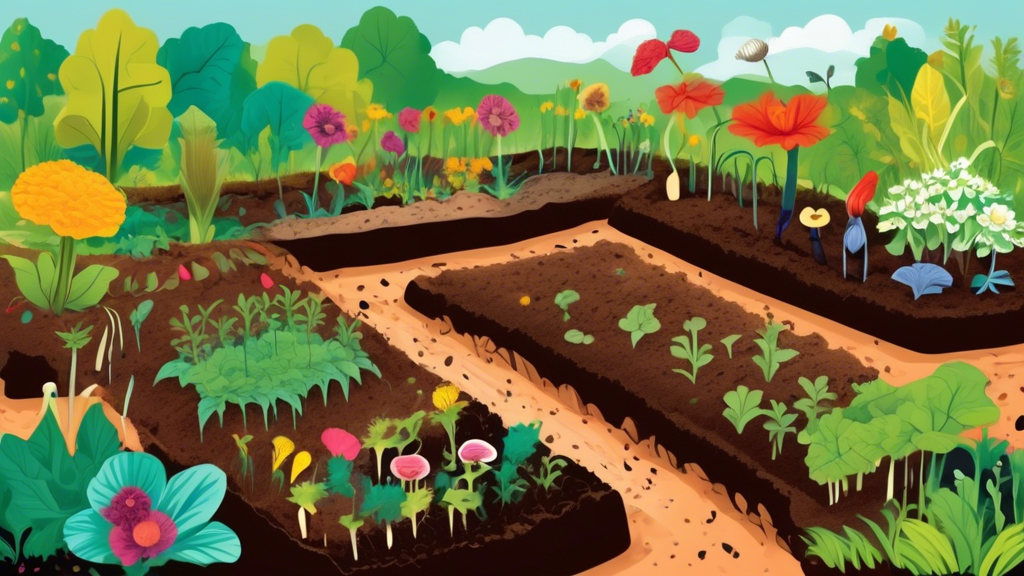
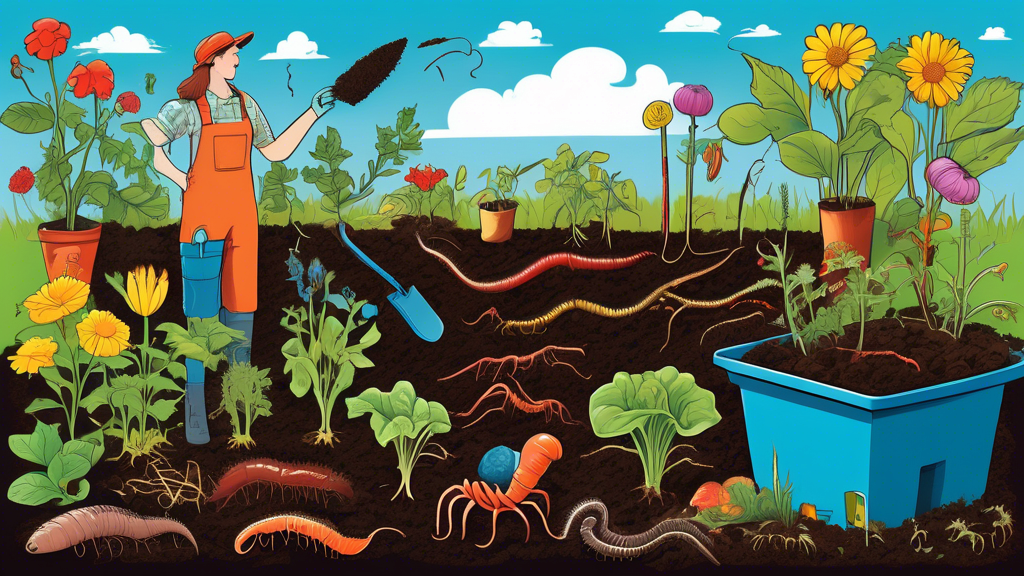
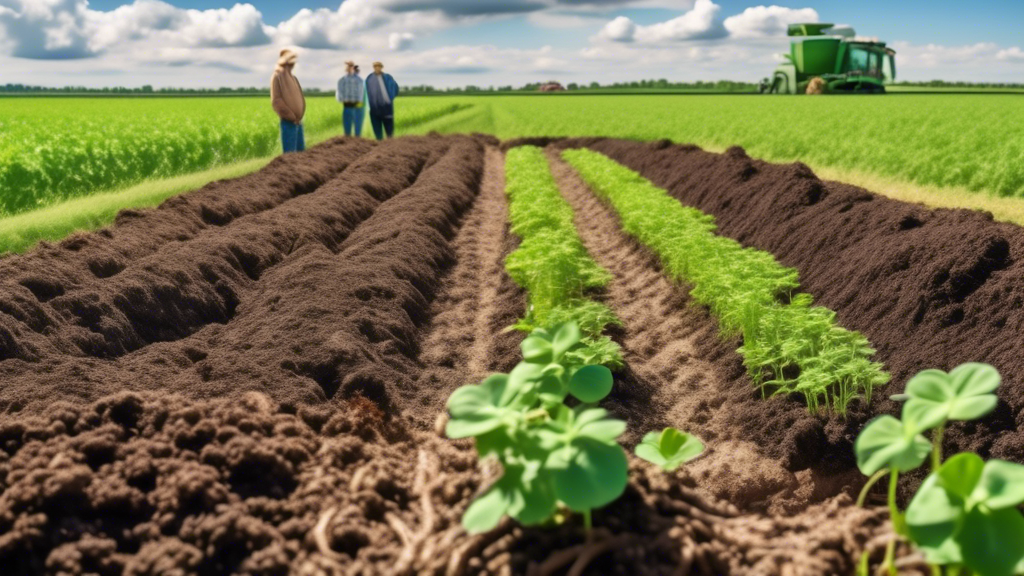
The key to a drought-resilient garden lies beneath the surface. Amending your soil is not just a recommendation; it’s a necessity. Incorporate generous amounts of organic matter like compost to dramatically improve water retention. A critical, yet often overlooked, layer is mulch. A proper layer of mulch acts like a blanket for your soil, significantly reducing evaporation, suppressing water-stealing weeds, and regulating soil temperature.
Unique Insight: For a long-term solution, amend your soil with biochar. This charcoal-like substance, created by burning organic material in a low-oxygen environment, is a powerhouse for moisture retention. It can hold up to five times its weight in water and nutrients, improving soil structure and health for years, not just a single season.
Plant Choice is Everything: Right Plant, Right Place
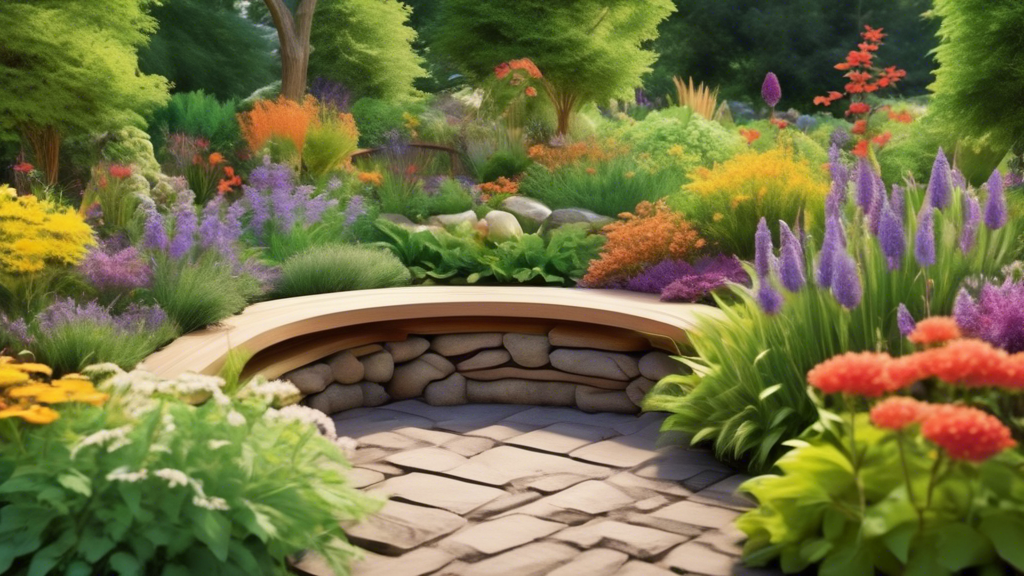
Your plant selection is the most critical decision you will make. The most water-efficient strategy is to embrace native plants that have evolved to thrive in your local climate, including its dry spells. Mediterranean herbs like lavender, rosemary, and sage are not only drought-tolerant but also add fragrance and beauty. For unique textures and colors, consider incorporating succulents and a variety of ornamental grasses.
Smart Watering Strategies for Maximum Impact
Drip Irrigation vs. Sprinklers: A Head-to-Head Comparison
How you deliver water is just as important as how much you give. The method you choose can be the difference between a thriving garden and a wasted resource.
| Feature | Drip Irrigation | Sprinklers |
|---|---|---|
| Efficiency | 90-95% | 65-75% |
| Water Loss | Minimal evaporation | High evaporation & runoff |
| Targeting | Directly to root zone | Foliage and soil surface |
| Best For | Garden beds, vegetables, shrubs | Large, expansive lawns |
Conclusion: For garden beds and non-lawn areas, drip irrigation is the undisputed champion for conserving water during drought conditions.
The “How” and “When” of Watering
Timing and technique are everything. Always water deeply and infrequently to encourage roots to grow deep into the soil, where moisture persists longer. The ideal time to water is early in the morning, which reduces water loss from evaporation and allows plant leaves to dry before nightfall, preventing disease. Don’t rely on a schedule—use the “finger test” by sticking your finger a few inches into the soil; if it feels dry, it’s time to water.
Beyond Watering: Proactive Garden Maintenance
The Art of Strategic Pruning and Weeding
Maintenance goes beyond hydration. Strategic pruning, which involves thinning out excess growth, can actually reduce a plant’s overall water demand. Furthermore, weeding is non-negotiable. Weeds are fierce competitors that steal valuable water and nutrients from your desirable plants.
Rethink Your Lawn: Alternatives to Thirsty Turf
Traditional lawns are one of the biggest water consumers in a landscape. Consider reducing your lawn’s size by replacing sections with patios, decorative gravel gardens, or drought-tolerant ground covers. If you choose to keep your lawn, allow it to go dormant during severe drought; it is a natural survival mechanism, and most cool-season grasses will green up again once consistent rains return.
Frequently Asked Questions (FAQs) on Drought Gardening
Is it better to water my plants a little bit every day?
Answer: No. This is one of the most common and detrimental mistakes. Light, frequent watering encourages roots to stay near the soil surface, making plants more vulnerable to heat stress and drought. It is far more effective to water deeply a few times a week, which trains the roots to grow deep into the soil where it stays cooler and moist for longer periods.
Can I use greywater (from showers, sinks) on my garden?
Answer: Yes, but with extreme caution. Only use greywater with biodegradable, plant-friendly soaps and detergents. Avoid using it directly on the edible parts of vegetables and apply it to the soil, not the plant foliage, to prevent leaf burn. Most importantly, always check your local regulations, as greywater use is restricted or prohibited in some areas.
My mulch seems to be drying out. What am I doing wrong?
Answer: The issue is likely the depth of your mulch layer. A thin, one-inch layer is ineffective. For mulch to perform its job of retaining moisture and suppressing weeds, you need a 2 to 4-inch layer around your plants. Be sure to keep the mulch a few inches away from plant stems to prevent rot.
Are there any “tricks” to help new plants establish during a drought?
Answer: Absolutely. Two highly effective methods are using water gel polymers or a buried clay pot, known as an olla. Water-absorbing polymer crystals, mixed into the soil at planting time, act as tiny reservoirs that slowly release water to the roots. An olla is an unglazed, porous pot that you bury next to your plant and fill with water; it seeps moisture directly into the root zone with near-zero evaporation loss, a technique used for thousands of years.