The Modern Challenges of Food Crises
In an era marked by uncertainty, many of us face the direct impact of disrupted food systems. Understanding these challenges is the first step toward overcoming them.
Empty Shelves and Soaring Prices
The frustration of not finding fresh, affordable produce at the local store is a common experience. This not only strains your budget but also limits access to nutritious food.
The Hidden Cost of Food Miles
Our reliance on long supply chains means that a breakdown anywhere can lead to shortages everywhere. The quality and availability of food are often compromised by the distance it travels.
Losing Control Over Your Food Source
Feeling dependent on an unstable system can be disempowering. Taking control of your food supply is a powerful way to regain independence and peace of mind.
Your Blueprint for Food Independence: Six Essential Tips
Empower yourself with these practical strategies to create a resilient home garden, ensuring a steady supply of fresh food even in challenging times.
1. Prioritize Calorie-Dense and Fast-Growing Crops
Maximize your garden’s output by focusing on plants that provide the most food in the least time. Potatoes, beans, and squash are excellent for their caloric value, while leafy greens like kale offer quick, repeated harvests.
Unique Insight: “Cut-and-Come-Again” crops, such as lettuce and Swiss chard, allow you to harvest leaves multiple times from the same plant, providing a continuous yield rather than a single harvest.
2. Master the Art of “Square Foot Gardening”
Even with limited space, you can achieve a bountiful harvest. This method involves dividing your garden into small, manageable squares, each dedicated to a different crop.
Unique Insight: Square foot gardening can produce the same amount of food as a traditional row garden using only 20% of the space, making it ideal for urban and small-scale gardeners.
3. Conserve Every Drop: Smart Watering Strategies
Water is a precious resource, especially during droughts or restrictions. Implementing efficient watering techniques ensures your plants thrive without waste.
Unique Insight: “Olla” irrigation involves burying unglazed terracotta pots filled with water near your plants. These pots release moisture directly to the roots, reducing evaporation and cutting water usage by up to 70%.
4. Build Your Own “Black Gold”: Composting for Free Fertility
Transform kitchen scraps and yard waste into nutrient-rich compost to feed your soil. This not only reduces waste but also eliminates the need for store-bought fertilizers.
Unique Insight: Vermicomposting, or using red wiggler worms, allows you to compost indoors without odor. This method produces high-quality fertilizer year-round, even in apartments.
5. Save Your Seeds for True Self-Sufficiency
Reduce dependency on external sources by learning to save seeds from your best plants. This practice preserves heirloom varieties and saves money over time.
Unique Insight: Tomato seeds require fermentation in their gel sac for a few days to remove germination inhibitors. This simple step results in healthier, more viable seeds for future planting.
6. Extend Your Harvest with Simple Season Extension
Don’t let shorter growing seasons limit your garden’s potential. Use simple tools to protect plants and prolong your harvest into colder months.
Unique Insight: Cold-hardy crops like carrots and spinach can be grown under mulch or in cold frames well into winter. Some, like parsnips, even develop a sweeter flavor after exposure to frost.
Home Garden Showdown: Traditional Row vs. Raised Bed
Choosing the right gardening method can significantly impact your success. Here’s a comparison to help you decide.
| Method | Pros | Cons |
|---|---|---|
| Traditional In-Ground Rows | Lower initial cost, suitable for large areas | More weeding and watering, dependent on native soil quality |
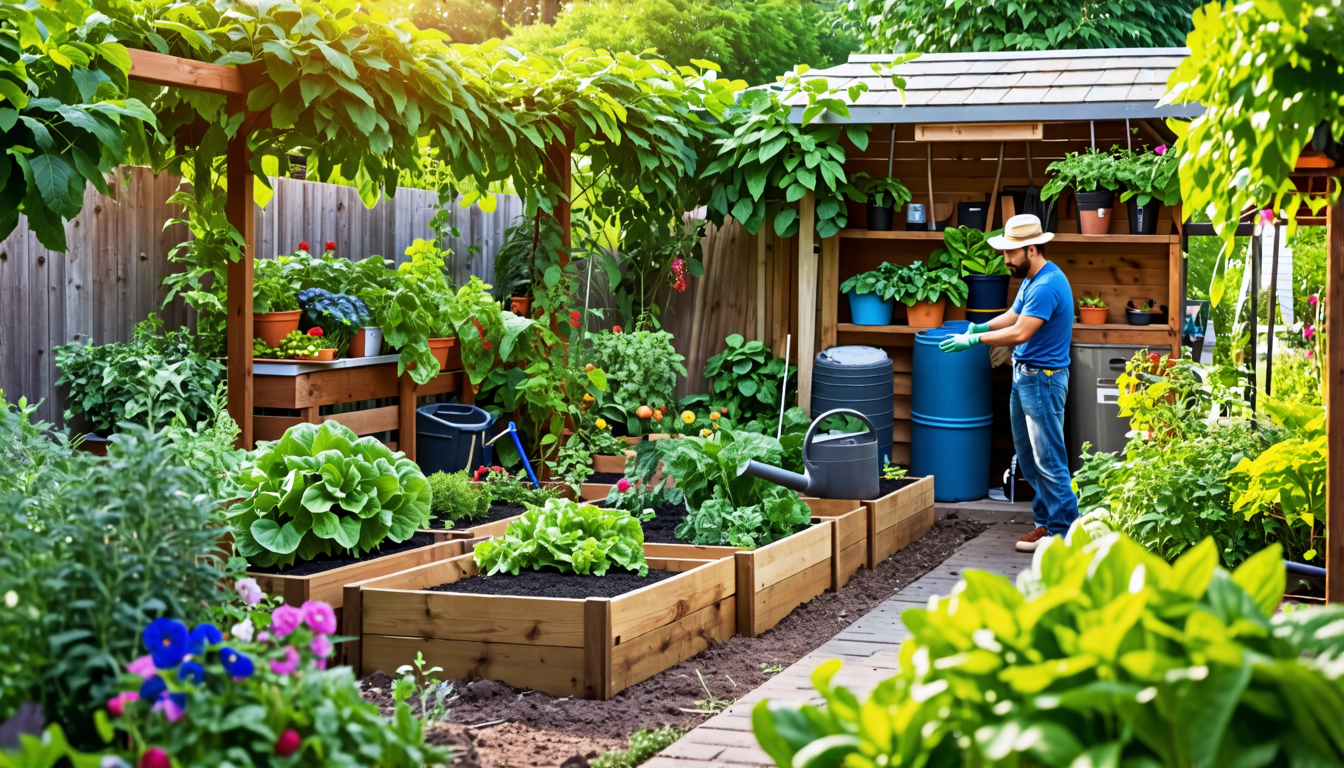
| Raised Beds & Containers | Better soil control, improved drainage, accessible for all abilities | Higher startup cost, may need more frequent watering |
Frequently Asked Questions (FAQs) for Crisis Gardening
Common concerns and practical answers to help you get started with confidence.
I have no yard. Can I still have a productive garden?
Yes! Container gardening on balconies, patios, or windowsills is highly effective. Herbs, lettuce, peppers, and dwarf tomatoes all thrive in pots.
What if I don’t have any money for seeds or supplies?
Start by regrowing kitchen scraps. Green onion ends, lettuce bases, and garlic cloves can be placed in water or soil to sprout new growth. Seek out local seed swaps or library seed banks for free resources.
What are the absolute easiest vegetables to grow for a total beginner?
Radishes, leaf lettuce, bush beans, and zucchini are known for their ease, speed, and productivity, offering quick success for new gardeners.
How can I protect my garden from pests without using chemicals?
Encourage beneficial insects by planting companion flowers like marigolds. Use physical barriers such as row covers and manually remove larger pests to keep your garden healthy and chemical-free.