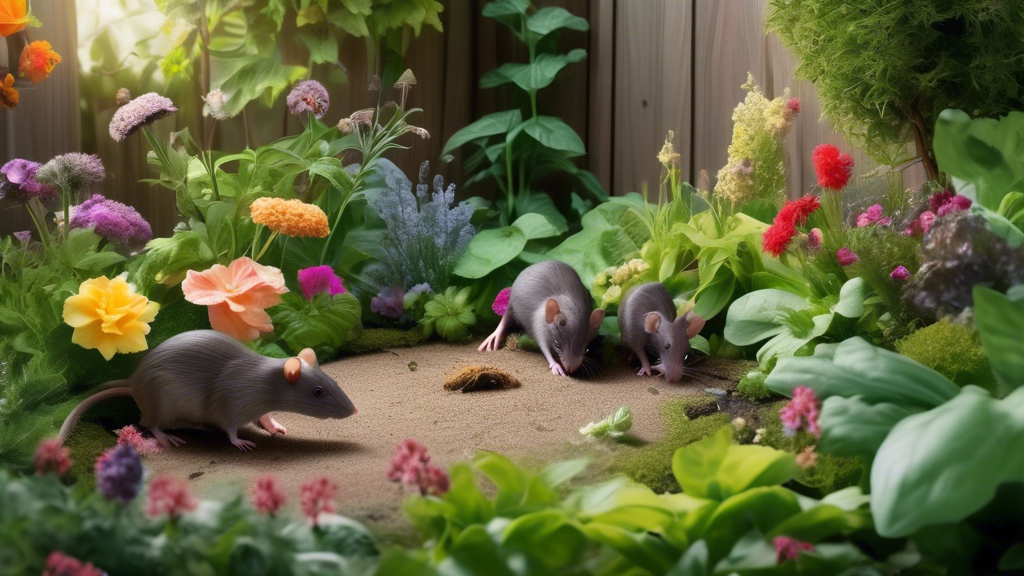
The #1 Costly Gardening Mistake That Invites Rats
It’s Not Just About the Food Scraps
The critical error is overlooking “Secondary Food Sources.” While many gardeners diligently secure their trash cans and compost bins, they often miss the fact that the garden itself—its bounty and structure—can be the primary attractant. Rats are opportunistic omnivores, and a thriving, lush garden represents a massive, all-you-can-eat buffet that’s available 24/7.
The Consequences You’re Likely Facing
- Financial Drain: Constantly replacing chewed-through irrigation hoses, damaged low-voltage landscape lighting wires, and plants that have been destroyed overnight.
- Health & Safety Hazards: Rats are known carriers of various diseases and can contaminate your garden soil and any surfaces they touch. Their extensive burrowing can also undermine the stability of soil and damage the root systems of your prized plants.
- Emotional Strain: The deep frustration of watching your hard work and dedication be systematically destroyed, coupled with the persistent unease of knowing pests are nesting just feet from your home.
Your Garden’s Hidden Rat Buffet: What to Look For
The Tempting Fallen Fruit & Veggies
Leaving overripe, rotten, or even freshly fallen produce on the ground is like sending rats a direct invitation to dine. Actionable Tip: Implement a strict daily “garden floor” check and cleanup, especially during the peak abundance of harvest season.
The Unsecured Compost Pile
An open compost bin or pile provides the trifecta for rats: a constant food source, warmth from decomposition, and ample nesting material. Actionable Tip: Invest in and switch to a fully enclosed, rodent-proof compost tumbler or a bin with a secure lid and a fine wire mesh base.
The Bird Feeder Spill Zone
The area beneath a bird feeder, covered in spilled seeds, is a high-calorie, easy-access meal station that often feeds more rats than birds. Actionable Tip: Use feeders with built-in tray attachments to catch falling seeds, and position them well away from your house, fences, or dense shrubs that provide cover for rodents.
The Mulch Miscalculation
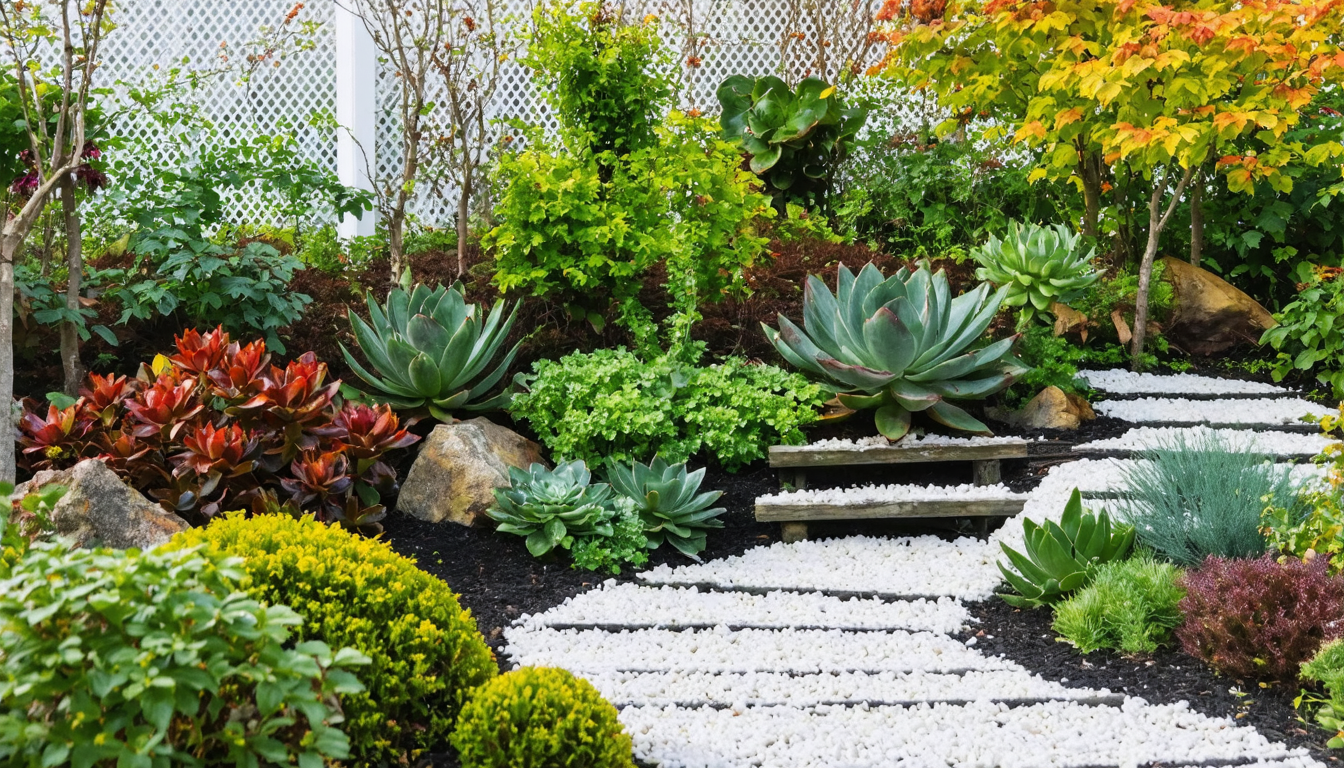
Here’s something most people don’t know: A thick, moist layer of wood chip or bark mulch, particularly when piled against your home’s foundation, creates an ideal rodent habitat. It retains moisture, offers excellent concealment from predators like hawks and cats, and is often teeming with insects, slugs, and fungi that rats consume. Actionable Tip: Maintain a mulch-free zone of at least 12 inches from your home’s foundation. Keep mulch layers to a maximum depth of 3 inches and consider using less appealing materials like stone, gravel, or crushed shells for landscaping near the base of your house.
Rat-Attracting vs. Rat-Repelling Garden: A Quick Comparison
| Rat-Attracting Garden (The Mistake) | Rat-Repelling Garden (The Solution) |
|---|---|
| Fallen fruit and vegetables left to rot on the ground | Clean, consistently picked garden beds and floors |
| Open, accessible compost pile or bin | A fully enclosed, sealed, rodent-proof composter |
| Bird feeder placed directly on the lawn, causing spillage | Feeder with a catch tray, positioned in an open area |
| Thick, deep mulch right up against the house foundation | Thin layer of mulch with a clear, gravel border around the foundation |
| Dense, overgrown shrubbery providing cover | Well-trimmed plants, allowing for clear visibility and no hiding spots |
Proactive Steps to Reclaim Your Garden
Sanitation is Your First Defense
Be meticulous about cleaning up fallen produce, nuts, and seeds. Don’t give them a chance to accumulate. Also, store all pet food, bird seed, grass seed, fertilizer, and bulbs in sealed metal or heavy-duty, gnaw-proof plastic containers, never in bags on the floor of a shed or garage.
Create a Less Hospitable Environment
Make your property less appealing by removing easy shelter and access routes. Trim back tree limbs and branches that overhang your roof, as these act as aerial highways. Seal any cracks, gaps, or holes larger than 1/4 inch (about the size of a dime) in your home’s siding, foundation, sheds, and garages with steel wool, hardware cloth, or caulk.
Smart Plant Choices
While no plant is completely “rat-proof,” some are less palatable. Mint (best grown in containers to control its spread) and daffodils (whose bulbs are toxic) are generally avoided by rodents. Consider using them as a protective border in your garden beds.
Frequently Asked Questions (FAQs)
Will a cat solve my rat problem?
While the presence of a cat might deter some rats or result in a few being caught, it is not a reliable or complete solution for an infestation. A well-fed domestic cat may have little interest in hunting large, aggressive rats, and a determined rat population will simply learn to avoid the cat’s territory.
Are ultrasonic repellents effective?
Most scientific studies and expert reviews conclude that ultrasonic devices have little to no long-term effect on rat populations. Rats are highly adaptable and will quickly become habituated to the constant noise. The money spent on these devices is far better invested in physical exclusion methods and improving garden sanitation.
I think I already have rats. What should I do first?
Your first and most crucial step is to identify and completely eliminate the food, water, and shelter sources that are attracting them, as detailed in this article. Only after you have done this should you move on to trapping. If you remove the existing rats without removing the reasons they moved in, you are simply creating a vacant territory that new rats will quickly discover and occupy.
Final Thought: Your beautiful, productive garden doesn’t have to be a magnet for pests. By correcting the common but costly mistake of overlooking secondary food sources and shelter within the garden itself, you can effectively protect your investment, your harvest, and your peace of mind. Start your garden audit today and reclaim your outdoor space from these unwelcome guests.