Why the Persistent Call to Action? Understanding the “Reiteration”
The Core Challenges Home Gardening Aims to Solve
Home gardening is being championed as a direct response to several pressing issues affecting households today.
- Rising Food Costs and Inflation: Growing your own food provides a direct financial buffer against market price volatility.
- Malnutrition and Hidden Hunger: Access to fresh, diverse produce right at your doorstep is a powerful tool to combat nutrient deficiencies.
- Food Miles and Environmental Impact: Reducing the distance food travels from farm to plate significantly cuts down on carbon emissions.
- Youth Unemployment and Idleness: Gardening can be transformed into a viable micro-enterprise, offering productive engagement and a source of income for young people.
Beyond the Plate: The Unique, Overlooked Benefits of Home Gardening
A Tool for Mental and Community Wellness
The benefits of home gardening extend far beyond nutrition, touching on psychological and social well-being.
- The act of gardening itself is known to have therapeutic effects, reducing stress and anxiety.
- Community gardens become hubs for social interaction, strengthening neighborhood bonds and facilitating the exchange of knowledge and resources.
- Something Unique You Might Not Know: Research has identified a soil bacterium called *Mycobacterium vaccae* that can stimulate serotonin production in the brain, acting as a natural anti-depressant. This means the First Lady’s appeal is, in effect, also a subtle yet powerful public mental health initiative.
Home Gardening vs. Large-Scale Farming: A Practical Comparison
Accessibility and Startup Costs
| Factor | Home Gardening | Large-Scale Farming |
|---|---|---|
| Initial Investment | Very low; utilizes recycled containers and family labor. | Extremely high; requires significant capital for land, machinery, and inputs. |
| Space Required | Minimal; suitable for balconies, windowsills, and small yards. | Extensive; requires large tracts of land. |
Control and Nutritional Value
| Aspect | Home Gardening | Large-Scale Farming |
|---|---|---|
| Pesticide Use | Complete control; ability to use organic and natural methods. | Often relies on commercial pesticides for pest and disease management. |
| Nutritional Content | Harvested at peak ripeness, maximizing vitamins and minerals. | Often harvested early for transport, which can reduce nutritional value. |
Impact on Local Economy
| Economic Impact | Home Gardening | Large-Scale Farming |
|---|---|---|
| Financial Flow | Keeps money within the household; surplus can generate income in local markets. | Crucial for national food supply and generating export revenue. |
| Employment | Empowers families and can create micro-enterprises. | Provides large-scale employment in rural areas. |
Your Step-by-Step Guide to Answering the Kebbi First Lady’s Appeal
Step 1: Start Small and Smart
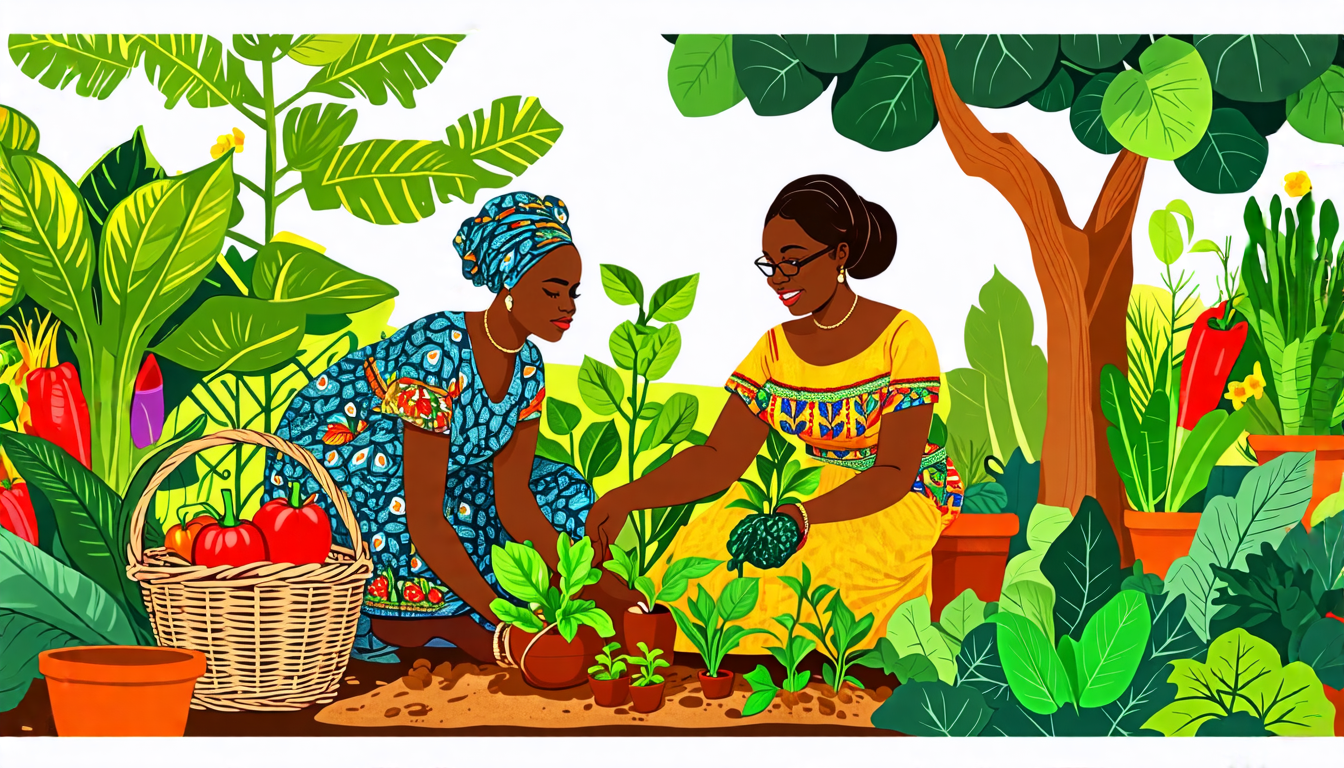
Success begins with a manageable plan. Identify a location that receives at least 6 hours of sunlight daily. If you lack space, get creative with containers like old sacks, buckets, or tires.
Step 2: Selecting the Right Crops for Kebbi’s Climate
Choose vegetables that thrive in your local conditions for a higher chance of success. Ideal starter crops include:
- Tomatoes
- Spinach (Aleho)
- Onions
- Peppers
- Okra
Most importantly, focus on crops that your family enjoys eating.
Step 3: Watering and Natural Pest Control
Consistency is key. Water your plants early in the morning or late in the evening to minimize evaporation. For pests, avoid harsh chemicals and opt for natural solutions like neem oil spray or a mixture of water and chili pepper.
Frequently Asked Questions (FAQs) About the Home Gardening Initiative
I live in an apartment with no yard. Can I still participate?
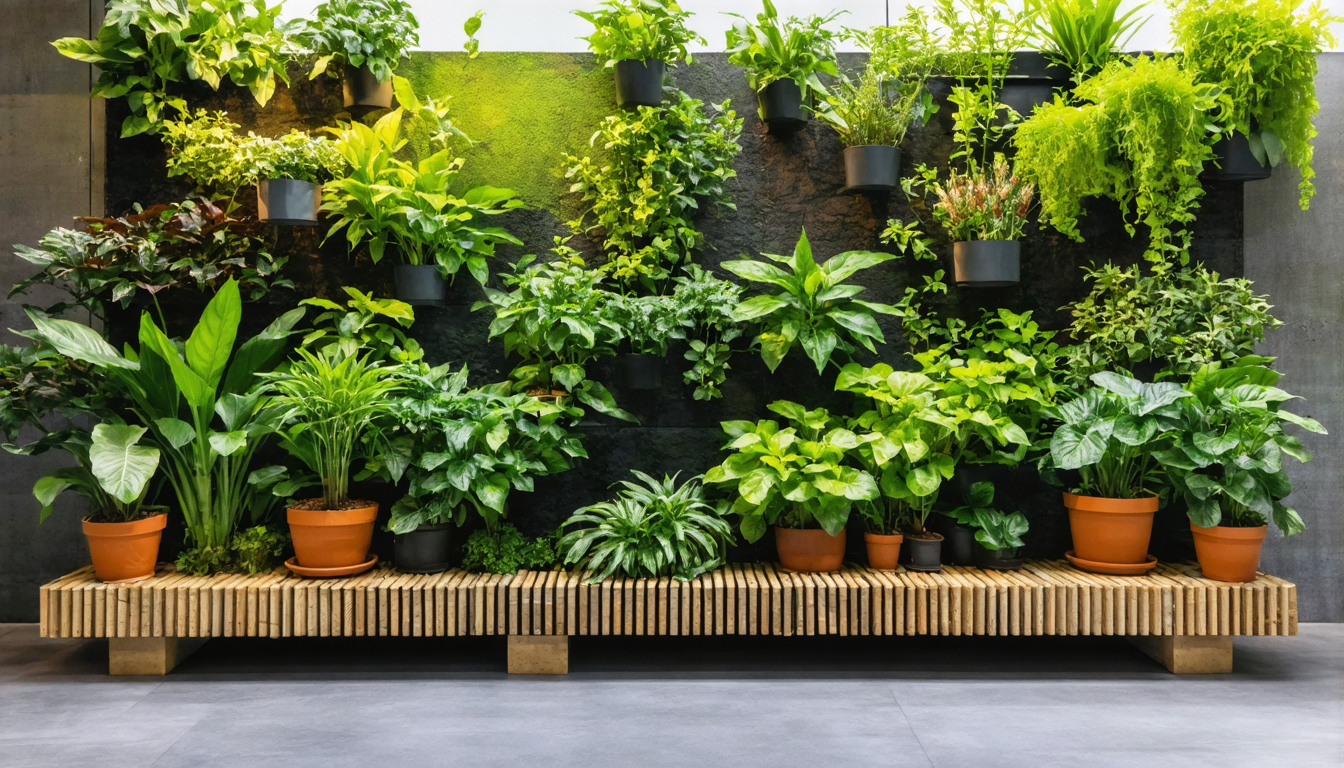
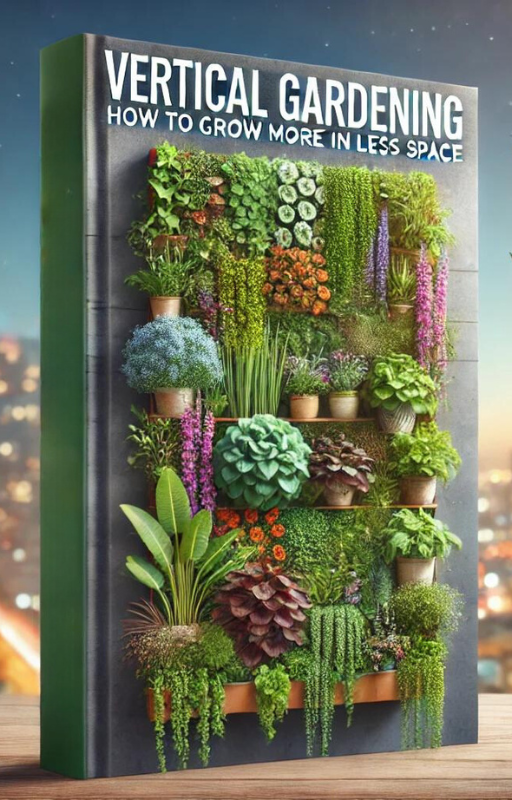
Absolutely. You don’t need a traditional garden. Container gardening on a balcony, windowsill, or even using vertical wall planters is an excellent way to grow herbs, leafy greens, and even some vegetables.
What if I have no prior gardening experience?
The initiative is designed for everyone, especially beginners. The best approach is to start with one or two hardy plants. You will learn through practice, and many communities are forming groups to share tips and support.
How does my small garden contribute to state-wide food security?
The power lies in collective action. If every household in Kebbi grew just 10% of the vegetables it consumes, it would collectively free up a massive quantity of commercially grown produce. This would help stabilize local market prices and build a much more resilient and decentralized food system for the entire state, which is the core vision behind the Kebbi First Lady reiterates appeal for home gardening.
Where can I get quality seeds and seedlings?
Your best bets are local markets, government agricultural extension offices, and non-governmental organizations (NGOs) that partner on such initiatives. They typically offer seeds that are well-suited to the local climate and soil conditions.