Why You Need a Low-Maintenance Vertical Garden
The #1 Challenge for Busy Homeowners: Lack of Time
Juggling work, family, and social obligations leaves little room for the constant watering, weeding, and pruning that traditional gardens demand. A low-maintenance vertical garden is designed specifically for this modern reality, transforming gardening from a time-consuming chore into a simple, rewarding part of your routine.
Maximizing Small Spaces Without the Constant Upkeep
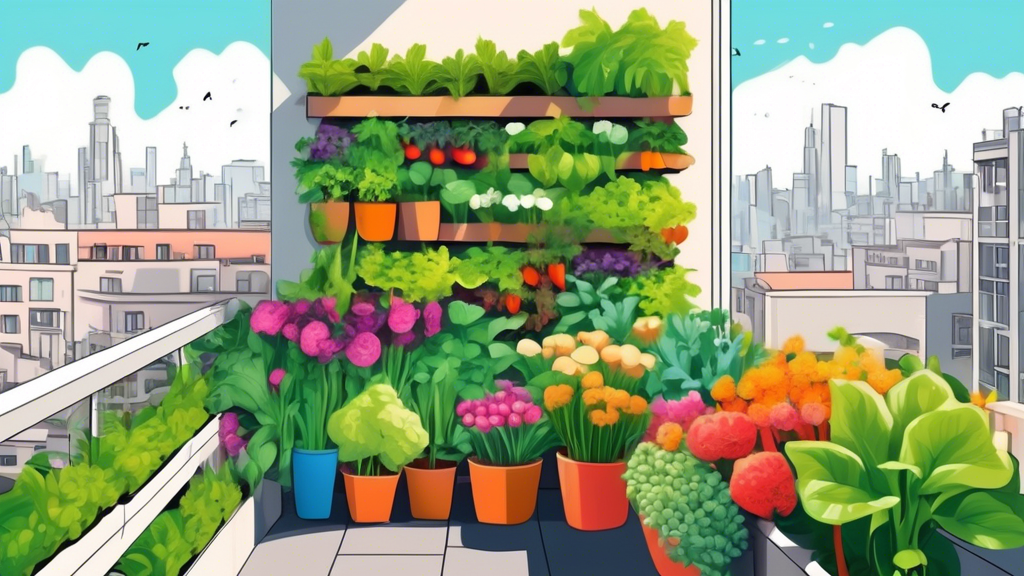
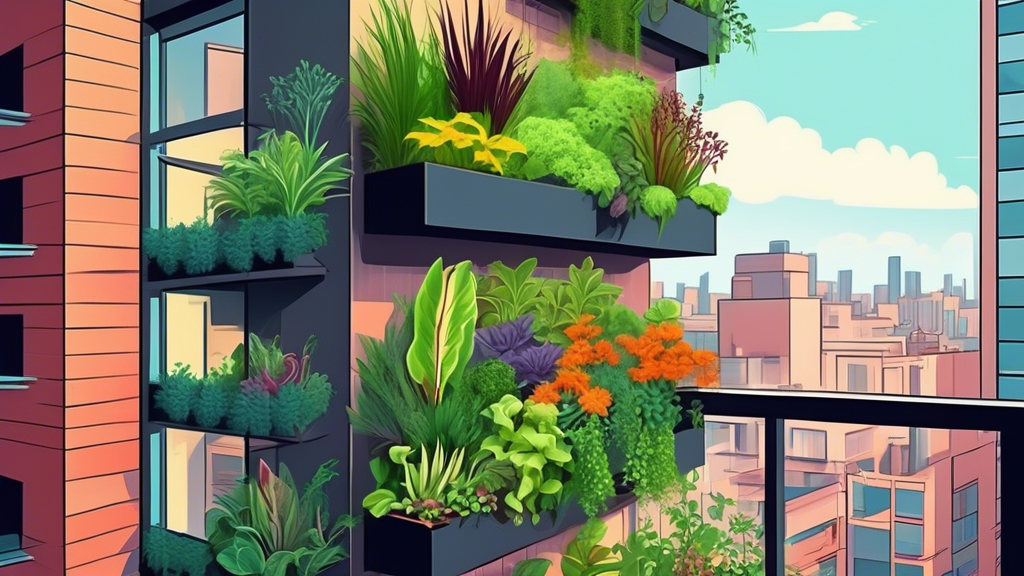
Whether you have a small balcony, a tiny patio, or just a blank wall, vertical gardens unlock valuable growing space. The best part? This spatial efficiency doesn’t come with a hidden cost of extra work. By design, these compact systems are easier to manage and require less effort than their sprawling, ground-level counterparts.
The Mental Health Benefits of a “Hands-Off” Green Space
Surrounding yourself with greenery is proven to reduce stress and improve mood. A low-maintenance system ensures this benefit remains a source of joy, not anxiety. You get the calming presence of nature without the worry of a failing garden adding to your mental load.
Key Features of a Truly Low-Maintenance Vertical Garden
Self-Watering Systems: The Game-Changer for Forgetful Gardeners
This is the cornerstone of a low-maintenance setup. Self-watering planters, also known as sub-irrigated planters (SIPs), use a reservoir of water at the base. The plants draw up moisture as needed through capillary action, which can extend the time between waterings from days to weeks.
Choosing the Right Plants: The “Set It and Forget It” Species
Your plant selection is critical. Opt for varieties that are naturally drought-tolerant, slow-growing, and pest-resistant. This dramatically reduces the need for frequent watering, pruning, and chemical interventions.
Durable Materials that Withstand the Elements (and Your Busy Schedule)
The structure itself must be resilient. Look for materials like powder-coated steel, cedar, or high-quality, UV-stabilized plastics. These materials won’t rot, rust, or degrade quickly, meaning your garden remains beautiful with zero extra maintenance on the structure itself.
Low-Maintenance Vertical Gardens vs. Traditional Gardens: A Direct Comparison
| Feature | Low-Maintenance Vertical Garden | Traditional In-Ground Garden |
|---|---|---|
| Time Investment | Minutes per Month | Hours per Week |
| Space Efficiency | High (Uses Wall Footprint) | Low (Uses Ground Footprint) |
| Weeding & Pest Control | Rare Occurrence | Constant Battle |
| Water Usage | Highly Efficient | Often Higher due to Evaporation |
| Accessibility | Ergonomic, No Bending | Requires Bending/Kneeling |
A Unique Insight: How Smart Technology is Revolutionizing Low-Maintenance Gardening
While self-watering planters are a great start, the next level of “hands-off” gardening is here. Smart technology integrates seamlessly to create a system that practically runs itself.
Automated Drip Irrigation on a Timer
Go beyond basic self-watering with a Wi-Fi-enabled timer connected to a drip irrigation system. You can schedule precise watering cycles based on the time of day and season, and control it all from your smartphone, even when you’re on vacation.
Soil Sensors That Alert You on Your Phone
These small probes placed in your soil monitor moisture, light, and nutrient levels. When levels drop below a preset threshold, the sensor sends a notification directly to your phone, telling you exactly what your plants need and when. This eliminates all guesswork.
The Secret to Success: Integrated Systems That Do the Work For You
The real magic happens when these technologies talk to each other. Imagine a soil sensor that detects dry soil and automatically triggers the drip irrigation system to run for a set period. This closed-loop system is the ultimate in low-maintenance gardening, requiring only occasional check-ins from you.
Your Step-by-Step Guide to Building a Low-Maintenance Vertical Garden
Step 1: Selecting the Perfect Location (Light & Access Matter)
Most low-maintenance plants need bright, indirect light. A north or east-facing wall is often ideal. Also, ensure the location is easily accessible for the rare times you need to tend to it and near a water source for filling reservoirs or connecting irrigation.
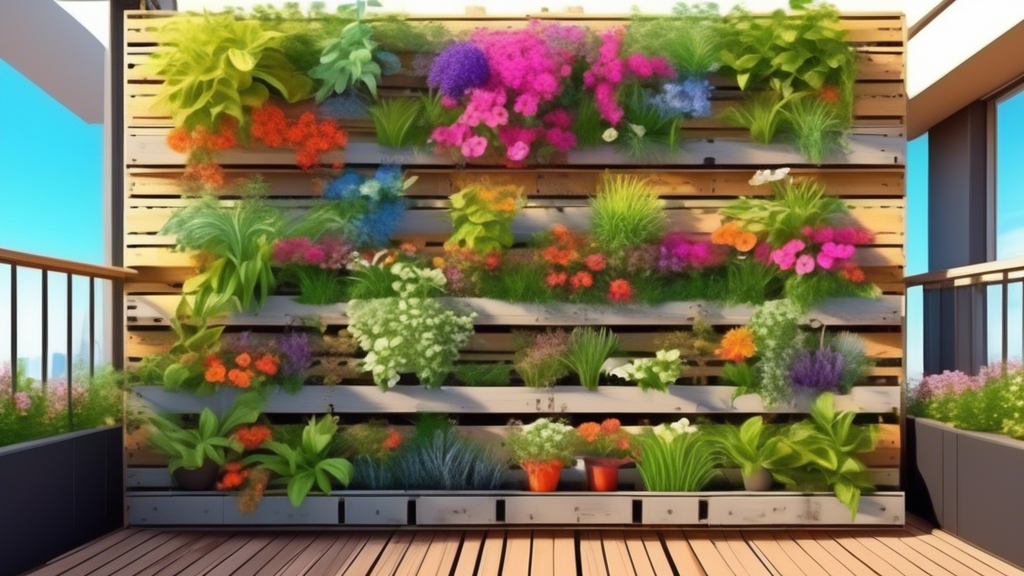
Step 2: Choosing Your Structure: Pre-Fab Kits vs. DIY Solutions
| Option | Pros | Cons | Best For |
|---|---|---|---|
| Pre-Fab Kits | Quick setup, integrated systems, guaranteed to work | Less customizable, can be more expensive | Absolute beginners, those short on time |
| DIY Solutions | Highly customizable, cost-effective, uses recycled materials | Requires more planning and tools, trial and error | Handy homeowners, budget-conscious gardeners |
Step 3: Planting for Success: The Best Low-Maintenance Herbs, Succulents, and Ferns
Group plants with similar water and light needs together. Here are some top choices:
- Herbs: Rosemary, Thyme, Oregano, Mint (in a contained pocket).
- Succulents: Sedum, Echeveria, Sempervivum (Hens and Chicks).
- Foliage: Snake Plant, Pothos, Spider Plant, certain Ferns like the Japanese Bird’s Nest Fern.
Frequently Asked Questions (FAQs) About Low-Maintenance Vertical Gardens
What is the most low-maintenance plant for a vertical garden?
The Snake Plant (Sansevieria) is arguably the champion. It thrives on neglect, tolerates low light, and requires water only once a month or less. It’s virtually impossible to kill, making it the perfect starter plant.
How often do I really need to water a “low-maintenance” vertical garden?
It depends entirely on your system and plants. A simple self-watering planter might need a reservoir refill every 2-3 weeks. A smart system with a large reservoir and efficient plants could go a month or more. The key is to check the soil moisture, not the calendar.
Can I grow vegetables in a low-maintenance vertical garden setup?
Yes, but you must choose carefully. Leafy greens like lettuce, spinach, and kale are excellent choices. Herbs like rosemary and thyme also do very well. Avoid heavy-feeding, large vegetables like tomatoes or zucchini unless you have a very large, robust system and are prepared for more frequent feeding.
What is the biggest mistake people make when starting their first low-maintenance vertical garden?
The most common mistake is overwatering. The “low-maintenance” label can make people think the garden needs no water, so they panic and drown it when they remember. The second biggest mistake is using regular garden soil, which compacts in containers and leads to root rot. Always use a well-draining potting mix designed for containers.
Getting Started: Your First Low-Maintenance Vertical Garden Awaits
Creating a beautiful, thriving green space that fits your busy lifestyle is entirely within reach. By focusing on the right systems, the right plants, and a little modern technology, you can enjoy all the benefits of gardening with a fraction of the work. Start small, choose a resilient plant like a snake plant or pothos, and experience the joy of a garden that takes care of itself.