Introduction: Why November is Your Secret Gardening Weapon
As the vibrant colors of autumn fade and a quiet chill settles in, many gardeners hang up their tools. But this is your moment. The work you do in the quiet, crisp days of November is the unseen foundation for next year’s garden. By mastering this pivotal month, you set the stage for a vibrant, healthy, and almost effortless spring.
Common November Gardening Challenges (And How to Solve Them)
“I Don’t Know Where to Start!”
Feeling overwhelmed is normal as the season changes. The solution is a simple, actionable checklist. Focus on one bed at a time, starting with clean-up and ending with mulching, to create a sense of accomplishment and order.
“I’m Worried About My Plants Surviving the Winter”
This is a primary concern for many. The key is proactive protection. Measures like applying the right mulch, wrapping tender shrubs, and providing a final deep watering will shield your plants from freezing temperatures and drying winds.
“My Soil is Tired and Depleted”
After a full growing season, your soil has given its all. November is the perfect time to replenish it. Amending your soil with compost now allows the nutrients to slowly integrate and become bioavailable for your plants the moment they wake up in spring.
Essential November Tasks for a Spring Spectacle
Tuck Your Garden Beds In: The Art of Mulching
Mulching is the most protective step you can take. It acts as an insulating blanket for plant roots, prevents soil erosion, and suppresses early spring weeds. But not all mulches are created equal for winter use.
| Mulch Type | Insulation Value | Moisture Retention | Soil Amendment Benefit |
|---|---|---|---|
| Shredded Leaves | High | Excellent | High – breaks down into rich leaf mold |
| Straw | High | Good | Low – breaks down slowly |
| Wood Chips | Moderate | Good | Low – can temporarily tie up nitrogen as it decomposes |
Plant Now, Rejoice Later: Bulbs and Bare-Root Wonders
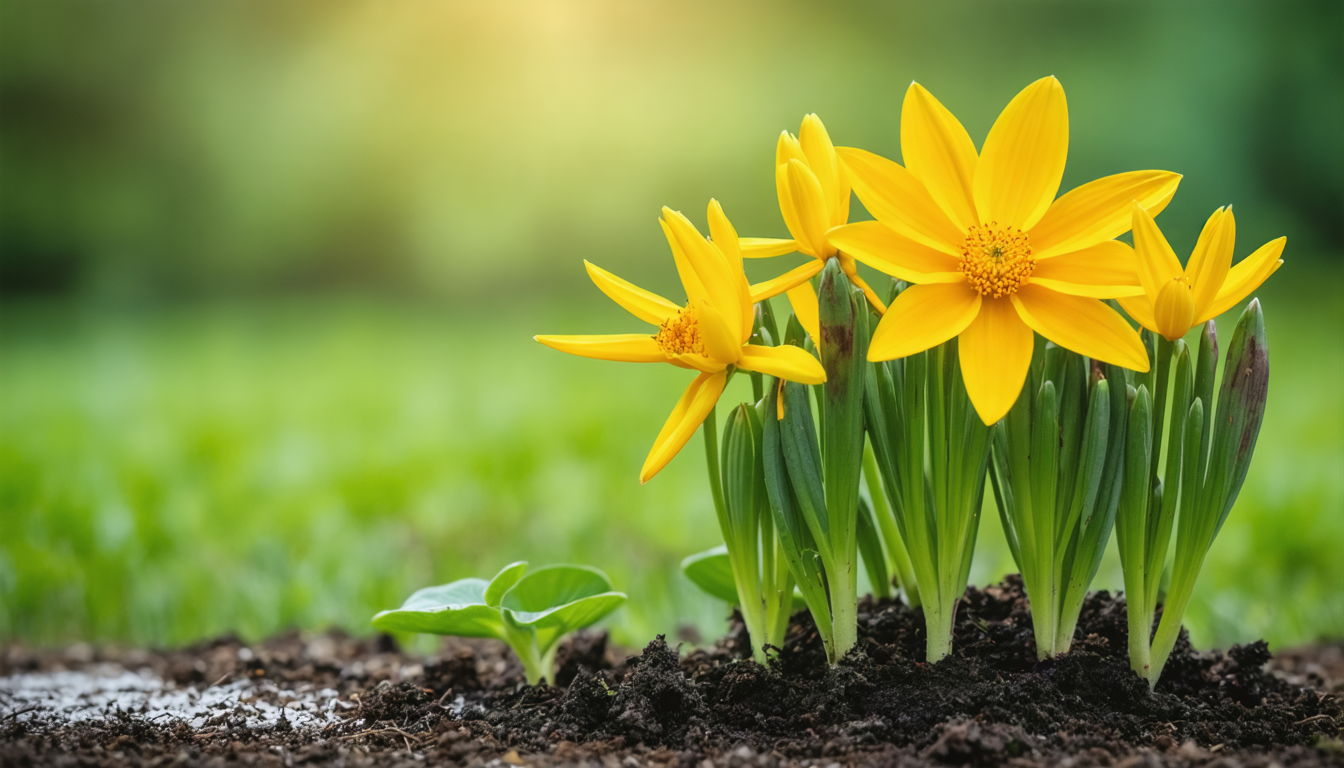
November is the critical final window for planting spring-flowering bulbs like tulips, daffodils, and crocus. The cool soil temperature is perfect for initiating root growth without triggering top growth. This is also the ideal time to plant bare-root trees, shrubs, and roses, which are often more affordable and establish faster than their container-grown counterparts.
The Final Cut: Pruning and Cleanup Strategy
A strategic approach to cleanup is vital. Cut back most spent perennials to deter pests and diseases. However, leave plants with sturdy stems and seed heads, like ornamental grasses and coneflowers, standing. They provide crucial winter food and habitat for birds and add structural interest to the winter garden.
Feed Your Soil, Not Your Plants
Shift your focus from feeding plants to feeding the soil ecosystem. Adding a 2-3 inch layer of compost or well-rotted manure to your beds now gives the entire winter for earthworms and microbes to incorporate these nutrients, creating a living, fertile soil ready for spring planting.
A Unique November Secret: Leveraging Stratification
Many gardeners are unaware that they can use November’s cold to their advantage through a process called cold stratification. This is a natural mechanism where certain seeds require a prolonged period of cold and moist conditions to break their dormancy and germinate. Instead of fussing with refrigerators and paper towels in spring, you can sow seeds of native perennials and wildflowers (like Milkweed, Purple Coneflower, or Lupine) directly into your garden beds in November. The winter cold and moisture will naturally stratify them, triggering robust and perfectly timed germination when spring arrives.
Tool Time: Preparing Your Gear for Winter Hibernation
Protecting your investment in tools will save you money and frustration. Before storing everything away, follow this quick checklist:
- Clean: Remove all caked-on dirt and sap from tools with a wire brush and water.
- Sharpen: Sharpen the blades of pruners, loppers, and shovels.
- Protect: Wipe metal surfaces with an oiled rag to prevent rust and rub wooden handles with linseed oil.
- Store: Drain and coil hoses, and store them and your tools in a dry, sheltered place.
Frequently Asked Questions (FAQs)
Is it too late to plant anything in November?
No! It’s the perfect time for spring bulbs, garlic, onions, and bare-root plants. The soil is still workable but cool, which encourages strong root establishment without the stress of supporting top growth during summer heat.
Should I remove all the fallen leaves from my garden?
Not necessarily. A thick, matted layer on your lawn should be removed or shredded with a mower to prevent smothering the grass. However, shredded leaves are a fantastic, free mulch for garden beds and a “brown” component for your compost pile, making them a valuable resource, not waste.
Do I need to water my garden in November?
Yes, especially if the autumn has been dry. Newly planted trees, shrubs, and perennials are particularly vulnerable. Give them a deep, thorough watering before the ground freezes solid (a practice known as “winter watering”). This hydrates the roots and helps prevent winter desiccation, a condition where plants dry out from cold winds.
What is the single most important task for me to do this month?
Applying a protective layer of mulch is arguably the most impactful task. It simultaneously insulates plant roots from freeze-thaw cycles, conserves soil moisture, and enriches the soil as it breaks down, addressing several key needs with one action.
Conclusion: Your Spring Garden is Counting on You
The quiet work you do in November doesn’t offer immediate gratification, but its rewards are profound. Spending a few hours now to clean, protect, and plan is an investment that pays massive dividends. A well-tended November garden will wake up stronger, healthier, and more beautiful, allowing you to simply enjoy the spectacle when spring finally arrives.