Introduction to Natural Pest Management Techniques for Organic Gardens
In an organic context, “natural pest management” refers to a holistic system of controlling garden pests using ecological principles and naturally derived materials, excluding synthetic chemicals. It’s not just about replacing sprays but about fostering a balanced garden ecosystem.
The core philosophy is to work with nature, not against it. This means viewing pests not as enemies to be eradicated, but as indicators of an imbalance. The goal is to manage pest populations to a level where they don’t cause significant damage, rather than achieving total annihilation, which often does more harm than good.
Why Your Garden Needs Natural Pest Management
The Downside of Chemical Pesticides
While chemical pesticides offer a quick fix, their long-term consequences are severe for an organic garden.
- Harm to Beneficial Life: Broad-spectrum pesticides don’t discriminate; they kill pollinators like bees, predatory insects like ladybugs, and the vital microorganisms in your soil that contribute to plant health.
- Pesticide Resistance: Repeated use of the same chemical creates a “super pest” cycle. The few pests that survive pass on their resistance, leading to harder-to-kill populations that require ever-stronger poisons.
- Chemical Residues: These toxins don’t just disappear. They can linger on your vegetables, seep into groundwater, and contaminate your local environment.
The Advantages of a Natural Approach
Adopting natural methods creates a safer, more resilient garden.
- Safety for All: Natural techniques are inherently safer for children, pets, birds, and other wildlife that visit your garden.
- A Balanced Ecosystem: By encouraging a diversity of life, your garden begins to self-regulate. Beneficial insects keep pest populations in check, reducing your workload.
- Long-Term Sustainability: Natural pest management builds soil health and plant resilience, creating a garden that can thrive year after year without dependency on external inputs.
Foundational Strategies: Prevention is the Best Cure
The most effective pest control happens before a pest ever appears. A healthy garden is its own best defense.
Building Healthy Soil
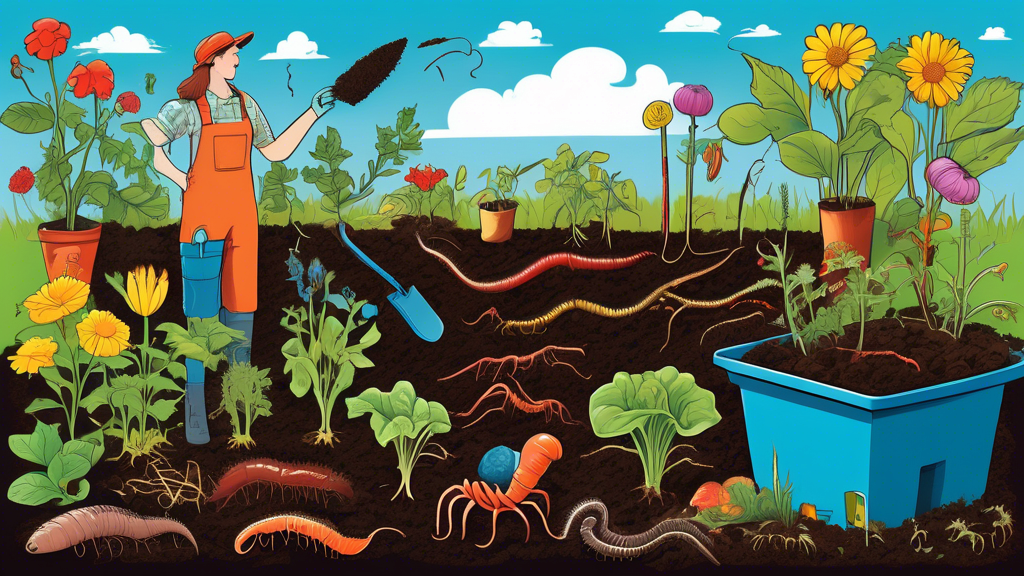
Pests are often nature’s cleanup crew, targeting weak and stressed plants. Plants grown in rich, living soil are robust and better able to withstand pest pressure. Focus on adding compost, using organic mulches, and avoiding soil compaction to create a strong foundation.
Companion Planting for Pest Control
This age-old practice uses plant partnerships to your advantage. Certain plants can repel specific pests, while others attract beneficial insects.
| Garden Crop | Companion Plant | Pest Management Benefit |
|---|---|---|
| Tomatoes | Basil | Repels tomato hornworms and flies |
| Cabbage | Nasturtiums | Acts as a trap crop for aphids |
| Cucumbers | Marigolds | Deters beetles and nematodes with root secretions |
Encouraging Biodiversity
Monocultures are a buffet for pests. A diverse garden with a variety of flowers, herbs, and vegetables creates a complex habitat that supports a wide range of insects and birds, which naturally keep pest populations balanced.
Direct Intervention: Gentle Yet Effective Remedies
When preventative measures aren’t enough and pest numbers rise, these targeted interventions can help.
Physical Barriers and Traps
These methods physically prevent pests from reaching your plants.
- Row Covers: Lightweight fabric placed over crops to block insects.
- Copper Tape: Creates a small electrical charge that deters slugs and snails.
- Beer Traps: A shallow dish sunk into the soil and filled with beer attracts and drowns slugs.
Homemade and Botanical Sprays
These are natural contact pesticides that have low impact on beneficials when used correctly.
| Spray Type | Target Pests | Basic Recipe & Use |
|---|---|---|
| Neem Oil Spray | Aphids, mites, scale | Mix 1-2 tsp neem oil & 1/2 tsp mild soap per quart of water. Spray on leaves, especially undersides. |
| Garlic & Chili Spray | Soft-bodied insects | Blend 2 garlic bulbs & 4 hot chilies in water. Steep, strain, and add a spoon of soap. Deters pests. |
| Insecticidal Soap | Aphids, whiteflies | Use a pure castile soap (1 Tbsp per quart of water). Directly coats and disrupts pests’ cell membranes. |
Introducing Beneficial Insects (Biological Control)
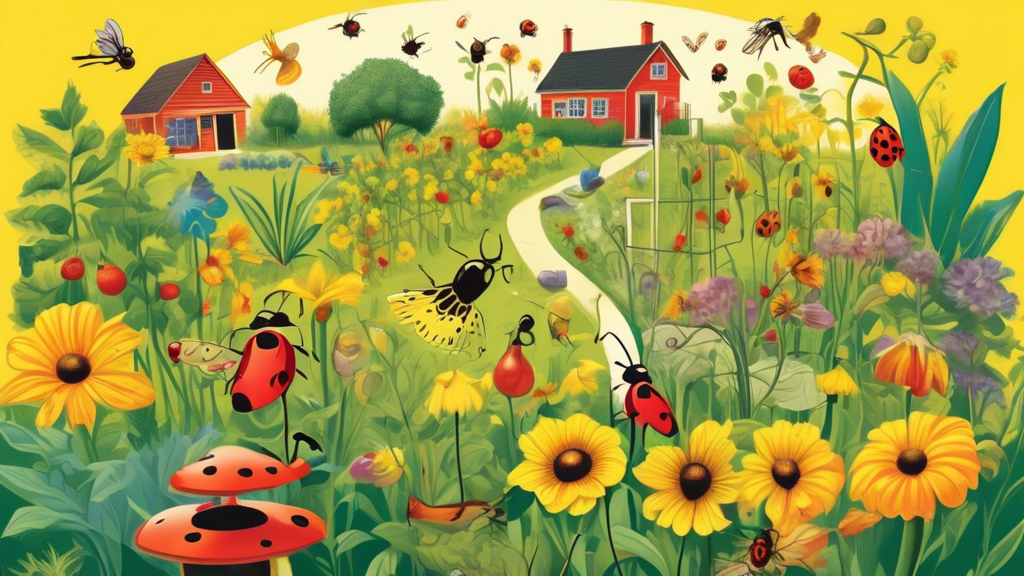
You can recruit an army of natural predators. The best strategy is to plant a variety of flowers to attract them, but you can also purchase and release them.
- Ladybugs: Voracious consumers of aphids.
- Lacewings: Their larvae (aptly called “aphid lions”) devour a wide range of soft-bodied pests.
- Parasitic Wasps: These tiny, non-stinging wasps lay eggs inside pests like caterpillars, controlling them from the inside.
Beyond the Basics: Unique and Advanced Techniques
The Power of “Trap Cropping”
This is a clever strategy of sacrificial planting. You grow a plant that is more attractive to a specific pest than your main crop. The pests congregate on the “trap crop,” which you can then monitor, treat, or even remove, saving the rest of your garden. For example, planting nasturtiums to lure aphids away from your tomatoes.
Understanding Pest Life Cycles
Timing is everything. Spraying adult pests is often less effective than intervening at a more vulnerable stage. For instance, knowing when cabbage root fly eggs are hatching allows you to place physical collars around brassica stems at the perfect time to prevent damage, eliminating the need for any spray later.
Boosting Plant Immunity with Natural Elixirs
Something many gardeners don’t realize is that you can actively help plants strengthen their own defenses. Regularly applying foliar sprays like compost tea or diluted seaweed extract provides a boost of nutrients and beneficial microbes. This doesn’t kill pests directly but helps the plant’s own systems become more resilient to pest attacks, much like a vitamin supplement for your garden.
Natural Pest Management: Common Comparisons
Neem Oil vs. Diatomaceous Earth
Both are popular organic controls, but they work in fundamentally different ways.
| Method | How It Works | Best Use Case |
|---|---|---|
| Neem Oil | A suffocating oil that also disrupts insect hormones, acting as an antifeedant and growth regulator. | Best for soft-bodied insects like aphids and mites on plant foliage. Less effective in rain. |
| Diatomaceous Earth (DE) | A fine powder made of fossilized algae. Its sharp edges physically scratch the waxy coating of insects, causing them to dehydrate and die. | Excellent for crawling insects like ants, slugs, and beetles on dry soil or plant surfaces. Harmful to bees if applied to flowers. |
Companion Planting vs. Crop Rotation
These are not competing strategies but complementary ones for long-term health.
- Companion Planting is a spatial strategy—it’s about what you plant next to each other within a season to repel pests or attract beneficials.
- Crop Rotation is a temporal strategy—it’s about changing where you plant specific plant families each year to disrupt pest and disease life cycles that are specific to those families.
Used together, they create a powerful, multi-layered defense system.
Hand-Picking Pests vs. Using a Spray
The right choice depends entirely on the scale of the problem.
- Hand-Picking: Highly effective for large, visible pests (like tomato hornworms or Japanese beetles) in a small garden. It’s immediate, precise, and has zero environmental impact.
- Using a Spray: Necessary when an infestation of small, numerous pests (like aphids) is too widespread for hand-picking to be practical. It’s a broader solution but requires care to avoid harming non-target insects.
Frequently Asked Questions (FAQs) About Natural Pest Management Techniques for Organic Gardens
Are natural pesticides completely safe?
Not necessarily. The term “organic does not always mean non-toxic.” While generally safer than synthetic chemicals, natural pesticides can still harm beneficial insects like bees if sprayed directly on them or on open flowers. They can also cause skin or eye irritation. Always follow label instructions (even for homemade recipes), apply in the early morning or late evening when bees are less active, and wear protective gear.
How long does it take for natural methods to work?
It’s important to set realistic expectations. An ecosystem-based approach is not an instant fix like a chemical spray. It can take a full season or more to see a significant shift in your garden’s balance as soil health improves and beneficial insect populations establish themselves. Direct interventions like sprays can work within hours or days, but the ultimate goal is to reduce your reliance on them over time.
What is the single most important thing I can do to prevent pests?
Focus on building healthy, living soil. Vigorous plants grown in nutrient-rich soil are naturally more resistant to pest and disease pressure. This is the ultimate foundation of natural pest management. All other techniques are supporting acts to this main event.
Can I use these techniques if I’m not a certified organic gardener?
Absolutely! These methods are for anyone who wants a healthier, more vibrant, and safer garden. You don’t need a certification to appreciate the benefits of working with nature to grow beautiful and productive plants.