Introduction: Embracing the Cool-Season Garden
As the vibrant colors of autumn deepen and the air turns crisp, many gardeners mistakenly believe it’s time to hang up their trowels. In reality, November offers a unique and rewarding gardening season. This is a time for preparation, planting for future blooms, and enjoying the subtle beauty of a garden transitioning into its winter rest. This guide will provide you with all the knowledge and tips you need to keep your garden thriving through the cool season.
Key November Gardening Tasks: Your Monthly Checklist
Staying on top of a few key tasks this month will set your garden up for success through winter and into spring.
Clean-Up and Preparation for Winter
A tidy garden is a healthy garden, but a little strategic messiness can be beneficial.
- Clear Spent Plants: Remove dead or diseased annuals and vegetable plants to discourage pests and diseases from overwintering.
- Prune with Purpose: Cut back most perennials, but leave those with sturdy seed heads (like coneflowers and sedum) to provide food for birds and winter interest.
- Smart Leaf Management: Rake leaves from lawns to prevent smothering, but shred them with a mower to create a fantastic, free mulch for your beds or add them to your compost pile.
Planting and Sowing for Spring and Winter
November is a prime planting month for many hardy species.
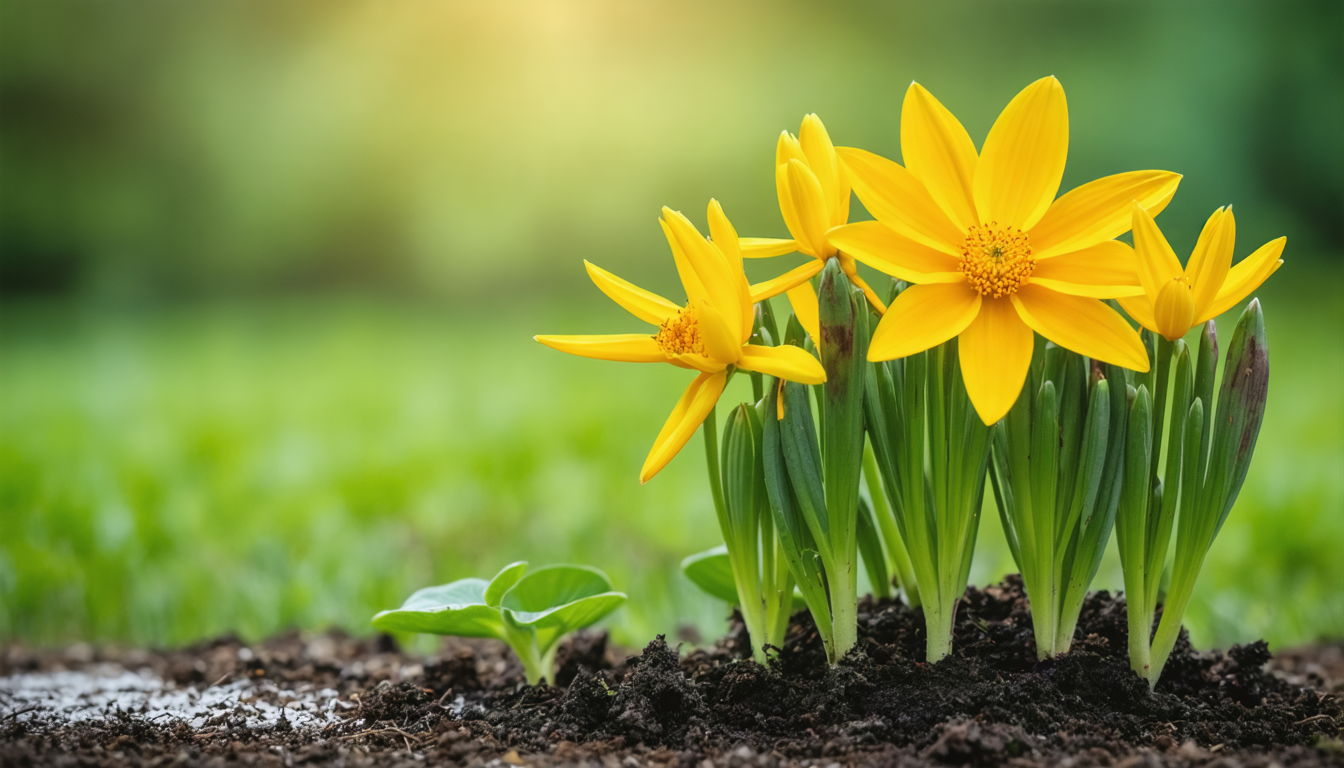
- Spring-Flowering Bulbs: It’s your last call to plant tulips, daffodils, and crocuses for a vibrant spring display.
- Strategic Seed Sowing: Sow seeds of hardy annuals like poppies and larkspur directly into the soil. They require a period of cold stratification to break dormancy and germinate.
- Bare-Root Season Begins: This is the ideal time to plant bare-root trees, shrubs, and roses, as they are dormant and establish well in the cool, moist soil.
Protecting Your Garden from the Cold
A little protection now can prevent a lot of heartache later.
- Mulch Generously: Apply a thick layer of mulch (like shredded leaves or bark) around the base of perennials, shrubs, and roses to insulate the roots from freeze-thaw cycles.
- Shelter Tender Plants: Move potted tender perennials like geraniums to a greenhouse, garage, or sheltered spot. For in-ground plants, consider “heeling in” by digging a trench and laying the plant on its side, covering the roots with soil.
- Use Protective Coverings: Have horticultural fleece or cloches on hand to drape over vulnerable plants when a hard frost is forecast.
Thriving Plants for Your November Garden
Your garden doesn’t have to be barren. Many plants peak in color and productivity during the cool weather.
Colorful Cool-Season Annuals & Perennials
- Pansies and Violas: The champions of cool-weather color, they can bloom intermittently even through mild winters.
- Ornamental Cabbage and Kale: Their vibrant pink, purple, and white centers intensify after a frost, making them stunning focal points.
- Heuchera (Coral Bells): Grown for their spectacular, veined foliage in shades from lime green to deep burgundy, they add texture and color to shady spots.
Vegetables to Grow and Harvest Now
| To Harvest Now | To Plant Now |
|---|---|
| Kale, Brussels Sprouts, Parsnips, Leeks, Carrots, Spinach | Garlic Cloves, Overwintering Onion Sets, Broad Beans |
Berries and Stems for Winter Interest
- Hollies (Ilex): A classic for its glossy green leaves and bright red berries (on female plants), providing food for wildlife and festive cheer.
- Dogwood (Cornus): After their leaves drop, these shrubs reveal stunningly bright red, orange, or yellow stems that glow in the low winter sun.
- Cotoneaster: Covered in a prolific display of red berries that persist well into winter, attracting birds to the garden.
Solving Common November Gardening Challenges
Every season has its hurdles. Here’s how to overcome November’s most common issues.
“My Soil is Too Wet and Cold”
Solution: Avoid walking on or working waterlogged soil, as this destroys its structure and leads to compaction. Use boards as temporary pathways. Focus on improving drainage for the long term by incorporating generous amounts of organic matter like compost in the spring.
“Frost is Killing My Plants”
Solution: Water the soil around vulnerable plants in the morning. The moist soil will absorb more heat during the day and radiate it back at night, creating a slightly warmer microclimate. Always use frost cloth or cloches for protection when a hard freeze is expected, and prioritize planting frost-tolerant varieties.
“Pests are Hiding in My Garden Debris”
Solution: A general clean-up of fallen fruit and diseased plant material is crucial. However, adopt a balanced approach. Raking away every single leaf also removes habitat for beneficial insects like ladybugs and ground beetles, and overwintering pollinators. Leave a small, designated “wild” corner with some leaf litter and hollow-stemmed plants to support your local ecosystem.
Cool-Season Gardening: Comparisons and Choices
Making the right choice between similar options can make your gardening more effective and efficient.
Mulch Showdown: Shredded Leaves vs. Bark Chips
| Shredded Leaves | Bark Chips |
|---|---|
| Free and readily available | Purchased, can be more expensive |
| Decomposes quickly, feeding the soil and improving its structure | Longer-lasting, better for pure weed suppression |
| Ideal for vegetable beds and around perennials | Best for ornamental shrub borders and pathways |
Pansies vs. Violas: Which is Best for Your Beds?
| Pansies | Violas |
|---|---|
| Larger, showier flowers with a classic “face” | Smaller, more numerous flowers per plant |
| Create a bold, dramatic impact in containers and beds | Provide a delicate, “cottage-garden” look and are excellent for edging |
| Often require more frequent deadheading to encourage new blooms | Typically more cold-tolerant and are often “self-cleaning,” dropping spent flowers naturally |
November Gardening FAQs
Is it too late to plant anything in November?
Absolutely not! November is the perfect month for planting spring-flowering bulbs, bare-root trees and shrubs, and hardy vegetable crops like garlic. The cool soil encourages strong root development without the stress of top growth.
Should I stop watering my garden in November?
No, but your watering strategy should change. While most established plants will get enough moisture from rainfall, it’s critical to deeply water evergreens and any trees, shrubs, or perennials planted in the fall before the ground freezes solid. This “final deep watering” provides crucial moisture to prevent desiccation, also known as “winter burn.”
How can I help wildlife in my garden this month?
Your garden can be a vital sanctuary for wildlife as food becomes scarce.
- Leave the seed heads of plants like sunflowers, echinacea, and rudbeckia for birds to feast on.
- Set up a bird feeder with high-energy foods like black oil sunflower seeds and suet.
- Provide a shallow dish of water, and remember to break the ice on colder mornings.
The Unique November Secret: Leveraging Frost for Flavor
Here’s a fascinating piece of gardening wisdom many don’t know: a light frost can be a chef’s best friend. For certain cool-season vegetables, exposure to cold triggers a survival mechanism. The plant begins to convert its stored starches into sugars, which act as a natural antifreeze, lowering the freezing point within the plant’s cells. This process is why vegetables like kale, parsnips, carrots, and Brussels sprouts harvested after the first frosts of November have a noticeably sweeter, more complex, and less bitter flavor than those harvested earlier in the season.
Conclusion: Your Garden’s Winter Sanctuary
November gardening is not about an ending, but a transition. It’s a time of quiet preparation, subtle beauty, and strategic action. By embracing the tasks and opportunities of this cool season—from planting spring’s promise to protecting your garden’s foundation—you create a space that is not only beautiful but resilient. Use this guide as your companion to cultivate a thriving, vibrant garden that provides joy and sustenance throughout the winter months and beyond.