The November Gardener’s Mindset: Tucking Your Garden In
“My Garden Looks Dead, So I’m Done for the Year.”
It’s a common misconception that a dormant-looking garden means your work is over. In reality, November is a season of active preparation and protection. The actions you take now are a direct investment in root health, soil quality, and the speed of growth when spring arrives. Think of it as tucking your garden into bed for a long, restorative sleep.
The “Green Manure” Cover Crop Secret
Many gardeners leave their vegetable beds bare over winter, but a powerful, often overlooked technique is planting a “green manure” or cover crop. Sowing seeds like winter rye or crimson clover in empty beds provides a multitude of benefits:
- Prevents soil erosion from winter rains and winds.
- Suppresses winter weeds naturally.
- When tilled into the soil in early spring, it decomposes and adds a massive boost of organic matter and nitrogen, acting as a free, powerful fertilizer.
Essential Cleanup & Protection Tasks for Winter Resilience
Tidy Up, But Not Too Much
A thorough fall cleanup is good, but a sterilized one can be detrimental. Be strategic:
- Remove: Diseased foliage and spent annuals to eliminate hiding spots for pests and pathogens.
- Leave: Healthy seed heads (like coneflowers and sunflowers) to provide food for birds, and ornamental grasses for visual interest throughout the winter.
Tender Plant TLC: To Dig Up or to Mulch?
Protecting non-hardy plants is a key November task. The best method depends on the plant and your climate.
| Method | Best For | Pros | Cons |
|---|---|---|---|
| Digging Up | Dahlias, Cannas, Gladiolus | Guaranteed survival; control over storage conditions. | Labor-intensive; requires dry, cool storage space (like a basement). |
| Heavy Mulching | Hardy Figs, Roses, Some Perennials | Less physical labor; protects root systems. | Risk of failure in severe winters; can attract rodents if applied too early. |
The Ultimate Mulching Strategy
Timing is everything when it comes to winter mulch. The goal is not to keep the soil warm, but to keep it frozen. Apply a thick layer (4-6 inches) of mulch after the ground has frozen hard. This prevents damaging freeze-thaw cycles that can heave plant roots out of the soil. Excellent materials include shredded leaves, straw, or wood chips.
Proactive Planting for a Spectacular Spring Bloom
“I Always Miss the Spring Bulb Planting Window!”
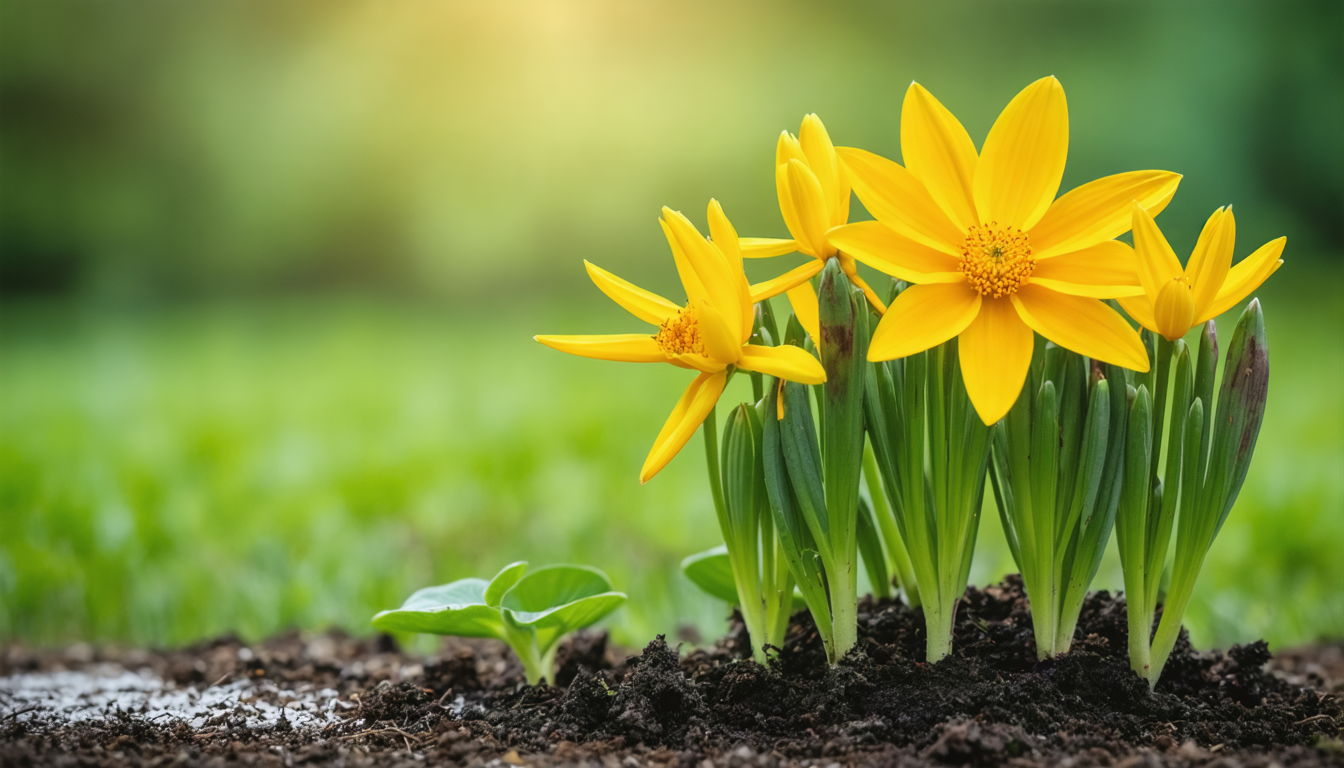
If you haven’t planted your spring-flowering bulbs yet, November is your final, perfect opportunity. The soil is still workable, and the impending cold period is essential for the bulbs to undergo vernalization—a physiological process that triggers them to bloom in the spring.
Beyond Tulips and Daffodils: Unique Bulbs to Plant Now
While tulips and daffodils are classics, consider these unique options for a more diverse and extended spring display:
- Alliums: Architectural, globe-shaped flowers that bloom in late spring.
- Fritillaria: Checkered, bell-shaped flowers that add a unique, exotic touch.
- Camassia: Native North American bulbs with stunning blue spires that thrive in damp soil.
- Snowdrops (Galanthus): Often the very first flowers to push through the snow.
Don’t Forget the Bare-Root and Garlic!
November is also the ideal time to plant bare-root trees, shrubs, and roses, as they become dormant. It’s also the perfect month for planting garlic cloves, which require a cold period to form large, flavorful bulbs for a summer harvest.
Lawn, Tree, and Tool Care Before the Deep Freeze
The Final Lawn Mow and Winterizing Feed
Give your lawn a final cut, setting the mower blade slightly lower than usual to prevent long grass from matting down and fostering snow mold. Apply a “winterizing” fertilizer that is high in potassium (the third number on the bag), as this nutrient strengthens grass roots for better winter hardiness.
Protecting Young Trees and Shrubs
Young, thin-barked trees are susceptible to winter sunscald, which occurs when the winter sun warms the bark during the day and it refreezes at night. Protect them by wrapping the trunks with commercial tree wrap. For broadleaf evergreens, a burlap screen can shield them from drying winter winds and heavy snow.
Tool Time: Clean, Sharpen, and Store
Don’t put your dirty tools away for the winter. Cleaning off soil and sap prevents rust and disease spread. A light coating of oil on metal parts protects them. Sharpening blades on pruners and shears now ensures you’ll make clean, healthy cuts on your plants come spring, making the job easier and better for your garden.
November Gardening FAQs
Is it too late to plant perennials in November?
If the ground is not frozen, you can still plant container-grown perennials. They will use the winter months to establish their root systems, giving them a head start for a strong spring performance.
Should I cut back my perennials in the fall?
It depends on the plant. The general rule is to cut back any foliage that is diseased. For healthy plants, consider leaving those with sturdy stems and interesting seed heads (like Sedum or Echinacea) to provide food for birds and add structural interest to the winter garden.
How can I protect my potted shrubs over winter?
Potted plants are vulnerable because their roots are above ground. Group pots together in a sheltered location, out of the wind. Insulate the pots by wrapping them in burlap or bubble wrap. Most importantly, ensure they have excellent drainage to prevent the soil from becoming waterlogged and freezing into a solid block of ice.
When is the best time to apply winter mulch?
Patience is key. Apply your winter mulch after the ground has frozen hard, typically in late November or early December. Applying it too early can keep the soil warm and create a cozy habitat for rodents to nest and feed on your plants.
The quiet, crisp hours spent in the garden this month are a gift you give to your future self. By following these essential November gardening tips, you are investing in a healthier, more beautiful, and flourishing garden that will reward you abundantly when spring finally arrives. Grab your gloves and get started!