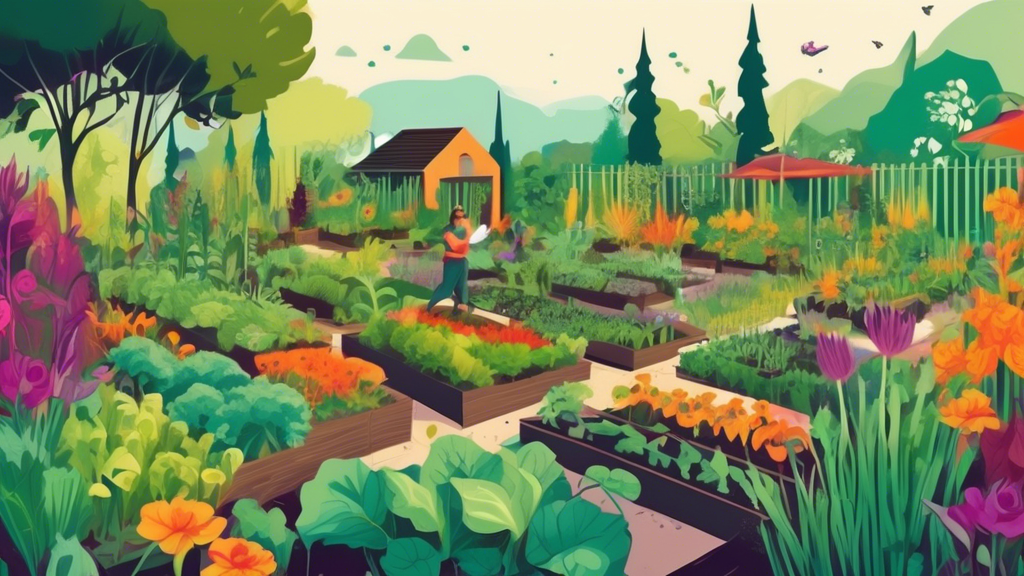
Permaculture Garden Maintenance: Cultivating a Self-Sustaining Ecosystem
Permaculture is more than a gardening method—it’s a design philosophy rooted in observing and emulating natural ecosystems. Unlike traditional gardening, maintenance in a permaculture system shifts from constant labor to strategic stewardship. This guide provides actionable tips for long-term success, focusing on building resilience and reducing external inputs.
The Core Philosophy: Shifting from “Maintenance” to “Stewardship”
Observe and Interact: The First Rule of Maintenance
Spend time simply observing your garden—note water flow, sunlight patterns, and wildlife activity. This foundational practice informs every maintenance decision, helping you work with nature rather than against it.
The Goal: Creating a Closed-Loop System
Aim for a garden that generates its own fertility, manages water, and regulates pests. This reduces reliance on external resources and minimizes labor over time.
Essential Long-Term Maintenance Practices
Building and Maintaining “Living Soil”
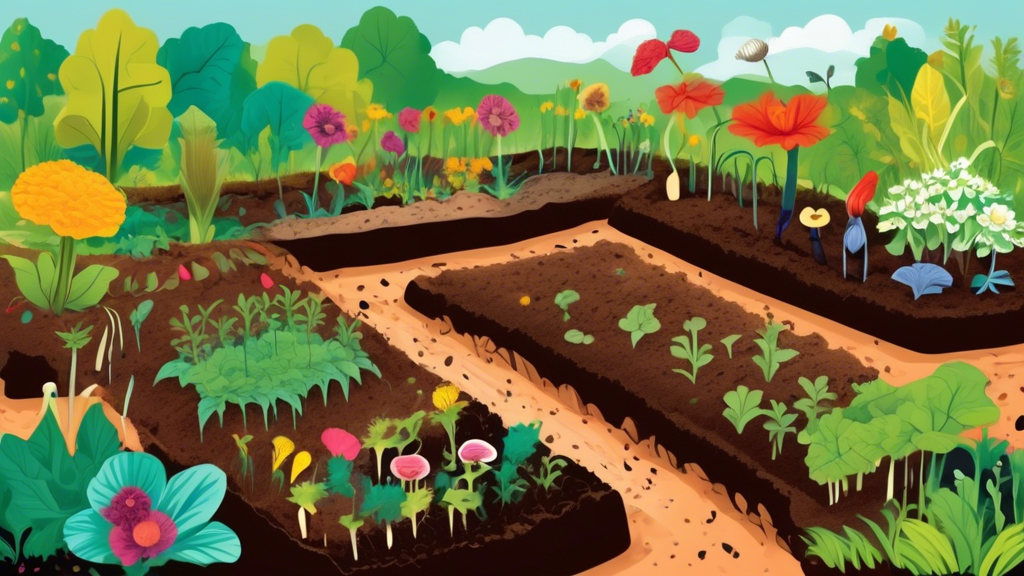
Healthy soil is the heart of a permaculture garden. Continuous mulching with organic materials like wood chips or straw, along with planting dynamic accumulators (e.g., comfrey) and nitrogen-fixers (e.g., clover), enriches the soil naturally.
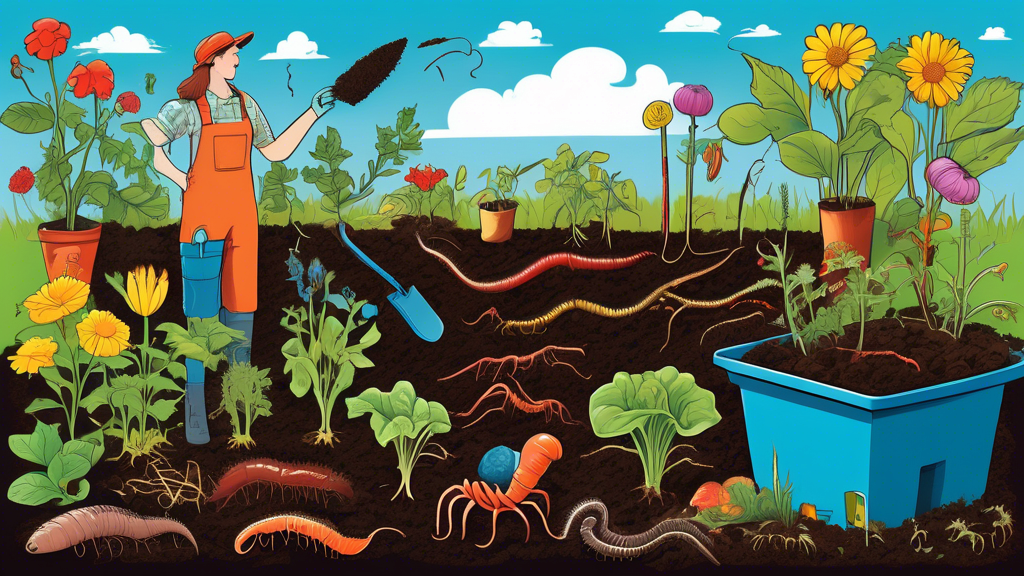
Unique Insight: Focus on feeding the soil food web—fungi, bacteria, and worms—rather than the plants directly. A thriving soil ecosystem will nourish your plants more effectively than synthetic fertilizers.
Intelligent Water Management
Capture and conserve water using swales, rain gardens, and deep mulch to reduce evaporation. Prioritize deep-rooted perennials that access subsurface moisture, making your garden more drought-resistant.
Proactive Pest and “Weed” Management
Reframe weeds as indicators of soil conditions (e.g., dandelions signal compaction) and use them as nutrient accumulators. Encourage predator habitats like bug hotels to balance pest populations naturally.
Unique Insight: Plant 10% more than you need for wildlife—this “share the harvest” approach can prevent pests from targeting your main crops.
Permaculture Maintenance vs. Conventional Gardening: A Key Comparison
| Aspect | Permaculture Approach | Conventional Approach |
|---|---|---|
| Mindset | Steward, working with natural systems | Controller, fighting against nature |
| Soil Health | Feeds the soil food web with organic matter | Relies on synthetic fertilizers |
| Weeds | Views them as indicators and nutrient sources | Treats them as enemies to eradicate |
| Labor Input | Front-loaded effort, decreasing over time | Consistently high, season after season |
Addressing Common Challenges in Permaculture Garden Maintenance
“My Garden is Overwhelmed by Weeds!”
Use “chop and drop” mulching—cut weeds and leave them as mulch, or smother them with cardboard and organic material to build soil and suppress growth.
“The Soil is Still Poor and Plants Are Struggling.”
Boost soil life with compost teas or fungal inoculants, and incorporate more soil-building perennials to accelerate improvement.
“It’s Not as ‘Productive’ as I Hoped.”
Reassess plant selection for high-yield perennials and optimize microclimates. Remember, perennial systems typically take 3–5 years to reach full productivity.
Advanced Strategies for a Truly Self-Reliant System
Integrating Animals (The “Workers” of the System)
Chickens can manage pests and fertilize, ducks control slugs, and bees enhance pollination—integrating animals creates a more dynamic, self-regulating ecosystem.
Creating and Utilizing Microclimates
Use elements like stones, walls, or ponds to create varied microclimates, enabling you to grow a wider range of plants and extend growing seasons.
Seed Saving and Plant Propagation
Save seeds from your best-adapted plants to develop landraces uniquely suited to your garden’s conditions, fostering greater resilience and self-sufficiency.
Frequently Asked Questions (FAQs)
How much time should I expect to spend on permaculture garden maintenance?
After the initial 2–3 years, maintenance time decreases significantly. Focus shifts to seasonal tasks like pruning and mulching, rather than daily chores.
Can I practice permaculture maintenance in a small urban space?
Yes! Principles like stacking functions, mulching, and supporting beneficial insects are scalable to containers, balconies, and small yards.
What is the biggest mistake beginners make?
Starting too large too quickly. Begin with a small area, observe its progress, and expand gradually to avoid overwhelm.
Do I need to completely re-do my existing garden?
No—transition gradually by sheet-mulching sections, replacing annuals with perennials, and phasing out chemical inputs.
Conclusion: The Journey of a Lifetime
Successful permaculture garden maintenance is a long-term commitment that rewards patience and observation. By embracing these practices, you’ll create a resilient, productive ecosystem that sustains itself and enriches your life. Start with one strategy from this guide and let your garden evolve naturally.