Why a Budget-Friendly Pollinator Garden Matters
Pollinators like bees, butterflies, and hummingbirds are essential for our ecosystems and food supply, yet they face significant threats from habitat loss, pesticides, and climate change. Many people assume that helping them requires a large financial investment, but this is a common misconception. With a few smart strategies, you can create a thriving habitat without breaking the bank.
The Plight of Our Pollinators
Pollinators are struggling due to the loss of native flowering plants, widespread pesticide use, and changing weather patterns. By creating a garden, you provide a crucial refuge and food source for these vital creatures.
Debunking the “Expensive Garden” Myth
You don’t need expensive plants or fancy equipment to make a difference. Nature offers many low-cost or free solutions that are just as effective, if not more so, than high-end alternatives.
Smart Planning: The Foundation of an Affordable Garden
Good planning can save you money and ensure your garden thrives. Start by assessing your space and resources before making any purchases.
Start Small, Dream Big
Begin with a manageable area, like a container, a small raised bed, or a section of your yard. This reduces initial costs and prevents feeling overwhelmed.
Know Your Site (It’s Free!)
Spend time observing sunlight, shade, and soil conditions in your chosen spot. This free step helps you select plants that will naturally thrive there, reducing the need for costly soil amendments or replacements.
The Unique Secret: “Nursery Deadheading”
Many garden centers discount plants that have finished their main bloom cycle and may look “spent.” These perennials are often perfectly healthy and will return stronger the following year, offering a top-tier budget hack that most gardeners overlook.
Budget-Friendly Plant Procurement
Acquiring plants doesn’t have to be costly. From seeds to swaps, there are numerous ways to fill your garden affordably.
Seed Starting vs. Buying Plants: A Cost & Labor Comparison
| Method | Cost | Labor Required | Best For |
|---|---|---|---|
| Seeds | Very low | High (time and patience needed) | Annuals like sunflowers and zinnias |
| Starter Plants | Higher | Low (instant impact) | Perennials for quick structure |
Recommendation: Combine both methods—use seeds for easy-to-grow annuals and invest in a few perennial starters for immediate garden presence.
Tap into the Free Plant Network
Join local plant swaps or ask friends if you can divide their perennials, such as coneflowers or bee balm. This not only saves money but also helps diversify your garden with proven performers.
Focus on Native Plants
Native plants are adapted to your local climate, making them more resilient and requiring less water and care than exotic hybrids. They also provide the best nutrition and habitat for local pollinators.
Thrifty Garden Infrastructure & Habitat
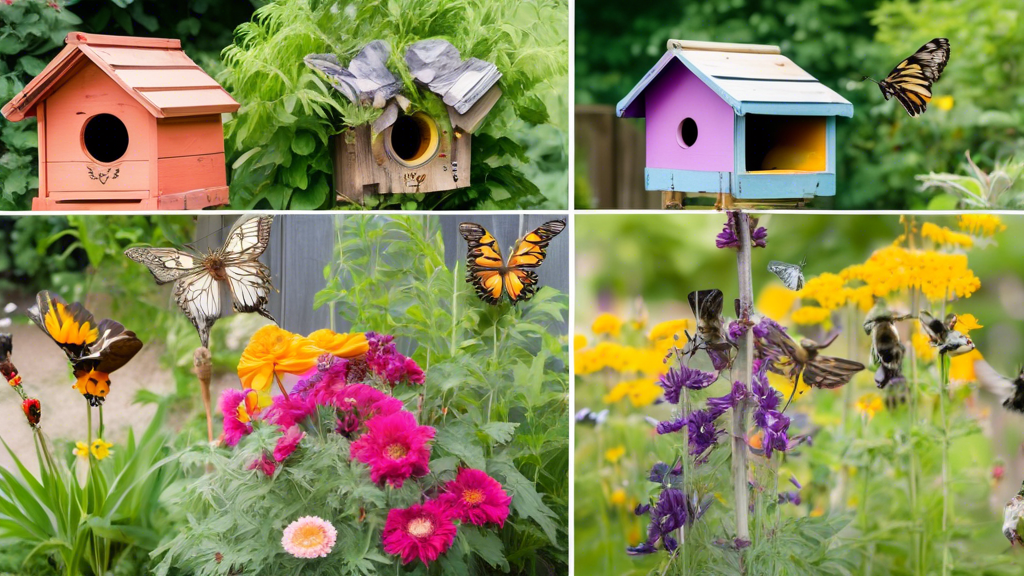
Creating shelter and resources for pollinators can be done with items you already have or can find for free.
DIY Water Sources
Instead of purchasing a birdbath, use a shallow plant saucer or pie plate filled with water and stones to provide safe landing spots for bees and butterflies.
Create Shelter from “Garden Junk”
Stack fallen branches or logs to build a natural “bug hotel.” Leave a patch of bare ground for ground-nesting bees and pile rocks or broken pots to create hiding spots for other beneficial insects.
Skip the Chemicals, Embrace the “Pests”
Avoiding pesticides is crucial for pollinator health and saves money. Accept that a few chewed leaves are a sign of a vibrant ecosystem, not a failing garden.
Maintaining Your Pollinator Garden on a Budget
Ongoing care doesn’t have to be costly. Simple practices can keep your garden healthy and sustainable.
Make Your Own Compost
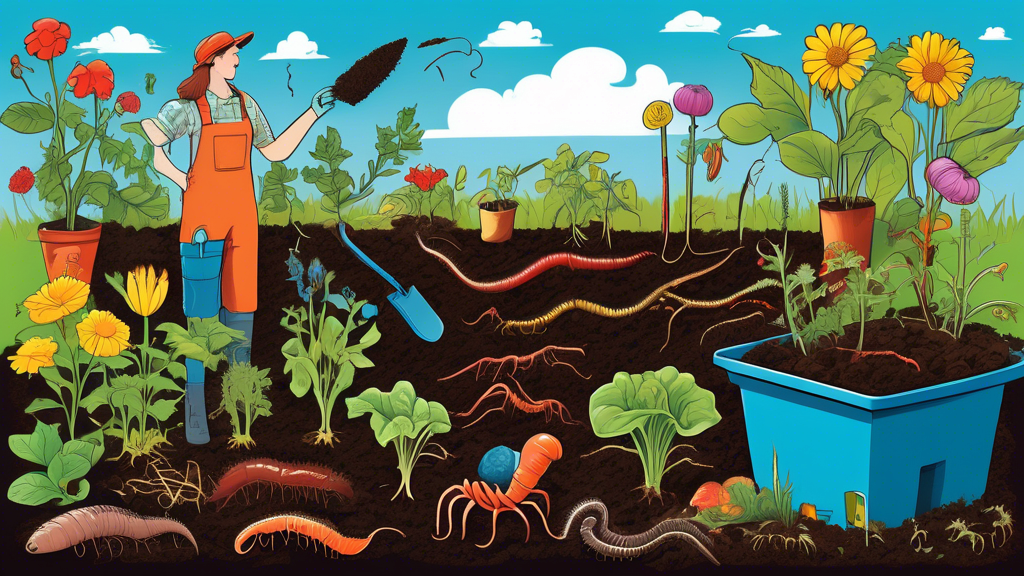
Turn kitchen scraps and yard waste into nutrient-rich compost, providing free fertilizer for your plants.
Smart Watering Strategies
Collect rainwater in barrels and use mulch to retain soil moisture, reducing your water usage and bills.
Frequently Asked Questions (FAQs)
What is the single best plant I can start with on a tight budget?
Sunflowers or zinnias from seed are excellent choices. They are inexpensive, easy to grow, and highly attractive to bees and butterflies.
I only have a balcony. Can I still help?
Absolutely! A single container with a native flowering plant, such as salvia or lantana, can provide vital nourishment for urban pollinators.
Is it okay to use wood from construction sites for raised beds?
Use caution. Avoid treated lumber (like CCA), which can leach harmful chemicals. Untreated cedar or reclaimed pallets marked with HT (heat-treated) are safer, budget-friendly options.
How long until I see pollinators in my new garden?
You may see visitors within days if you provide food, water, and shelter, but it can take a full season for the ecosystem to fully establish. Patience is key!
Your Journey Begins Now
Every small, affordable step you take makes a difference. Whether you start with a packet of seeds or simply allow a part of your lawn to grow wild, you are contributing to a healthier environment. Embrace the power of creating pollinator gardens on a budget and start your journey today.