The “Why”: The Consequences of Procrastination
Failing to prepare your garden by October 31st can lead to a host of problems that will haunt you well into the next growing season. Addressing these issues now is far easier than dealing with the aftermath in spring.
The Heartbreak of Frost-Killed Perennials
A single, unexpected hard frost can devastate the perennial plants you’ve carefully cultivated. Tender roots and crowns are vulnerable, and without protection, they may not return in the spring, setting your garden back significantly.
Spring’s Head Start for Weeds and Pests
Leaving plant debris and weeds in place over winter provides a perfect shelter for insect pests and a seedbed for weeds. Come spring, you’ll be fighting an entrenched enemy instead of starting with a clean slate.
Soil Erosion and Nutrient Depletion
Bare, unprotected soil is susceptible to erosion from winter rains and winds. This washes away valuable topsoil and leaches out essential nutrients, leaving your garden beds depleted and less fertile for the next season.
Essential Tasks for Preparing Your Garden for Winter: October 31st Checklist
This is your core action plan. Tackling these tasks by Halloween ensures your garden enters its dormant period healthy and well-protected.
Tidy Up and Protect Your Flower Beds
- Cut back spent perennials, but leave some for wildlife.
- Pull up and compost annuals.
- Remove diseased foliage and dispose of it (do not compost).
Something Unique: Leave ornamental grasses and plants with interesting seed heads (like Echinacea) standing. They provide winter interest in the garden and crucial food sources for birds.
Put Your Vegetable Garden to Bed
- Harvest any remaining cold-hardy vegetables (kale, carrots, Brussels sprouts).
- Pull up and compost spent plants.
Something Unique: Plant a cover crop like winter rye in empty beds. This “green manure” prevents erosion and adds valuable organic matter when tilled under in spring.
Lawn Care for a Greener Spring
- Give your lawn a final, shorter mow.
- Rake or mulch fallen leaves to prevent matting and lawn disease.
Something Unique: October 31st is the perfect time for a final fertilizer application. The grass roots will absorb the nutrients now for a much faster green-up in spring, while top growth has stopped.
Protect Trees, Shrubs, and Tender Plants
- Water evergreens deeply before the ground freezes.
- Wrap the trunks of young trees to prevent sunscald and rodent damage.
- Mulch tender perennials and rose bushes after the first hard freeze.
Tool Time: Pre-Winter Clean-Up vs. Spring Tune-Up
Caring for your tools in the fall versus waiting until spring has dramatically different outcomes. Here’s a comparison to help you decide.
| Fall Pre-Winter Clean-Up | Spring Tune-Up |
|---|---|
| Prevents rust and corrosion over winter. | Dealing with caked-on, hardened dirt and sap. |
| Tools are ready to go for the first warm day of spring. | Risk of permanent damage from rust. |
| Reduces the spread of disease. | A messy, time-consuming chore when you’d rather be planting. |
Frequently Asked Questions About Winter Garden Prep
Should I cut back all my perennials in the fall?
A: No. As a unique tip, leave plants with sturdy stems and seed heads (like Sedum, Black-Eyed Susan) for winter structure and bird food. Cut back soft, floppy perennials to prevent rot.
Is it too late to plant bulbs on October 31st?
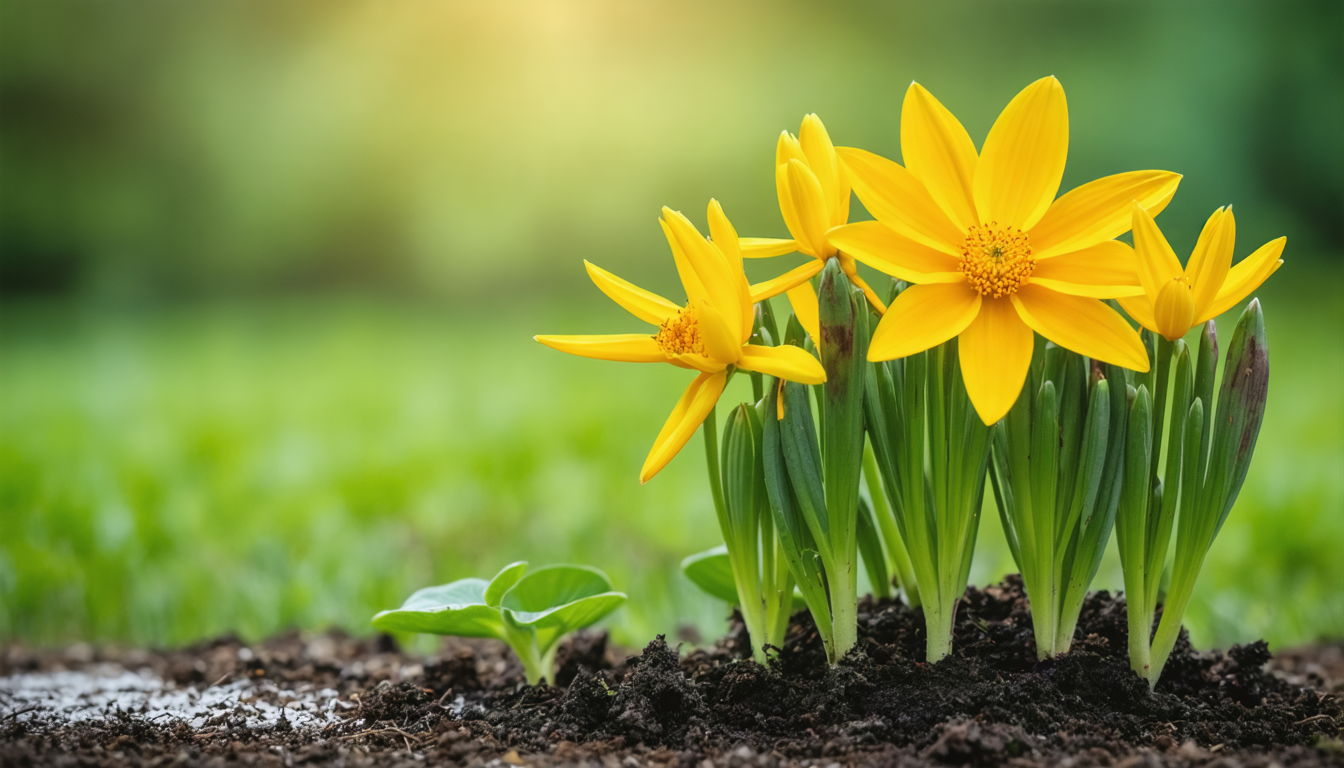
A: Not at all! As long as the ground isn’t frozen solid, you can plant spring-blooming bulbs. They need a period of cold to bloom, so getting them in around Halloween is often perfect.
Do I need to water my garden in the fall?
A: Yes, especially if it’s been dry. Plants, particularly evergreens, need to go into winter well-hydrated to prevent “winter burn.” Give them a deep watering before the ground freezes.
What should I do with all my fallen leaves?
A: Don’t bag them for trash! Run them over with a mower to create nutrient-rich leaf mulch, or create a separate compost pile just for leaves to make “leaf mold,” a fantastic soil amendment.
Conclusion: Rest Easy This Winter
By taking these specific actions by October 31st, you are making a direct investment in the future health and beauty of your garden. A little effort now guarantees a healthier, more resilient, and more vibrant garden when spring arrives. Now you can enjoy the winter season knowing your garden is safely tucked in.