Why Winter Preparation is Non-Negotiable
The Hidden Dangers of Neglecting Your Garden
Many gardeners face the heartbreak of discovering that cherished, long-established perennials have not survived the cold months. This is often a direct result of inadequate preparation. Beyond plant loss, soil can become severely compacted and stripped of vital nutrients over winter, creating a poor foundation for spring growth. Furthermore, failing to clean up plant debris provides the perfect shelter for pests and disease spores to overwinter, leading to significant infestations when the weather warms.
Your Future Self Will Thank You
Investing time in autumn garden care pays exponential dividends. A well-prepared garden will reward you with earlier, more robust growth in the spring. You’ll spend far less time on arduous tasks like weeding and soil rehabilitation during the busy planting season, and you’ll have successfully safeguarded the root systems of your most valuable trees, shrubs, and perennials.
Your Step-by-Step Guide to Preparing Your Garden for Winter
The Cleanup: Tidy Now, Thrive Later
Begin by removing spent annuals and most vegetable plants to eliminate hiding places for pests. However, adopt a strategic approach: leave plants with robust seed heads, such as coneflowers and sunflowers, to provide a crucial food source for overwintering birds. It’s also essential to regularly clear fallen leaves from lawns and garden beds to prevent smothering grass and the development of mold and fungal diseases.
Protecting Your Prized Plants
Mastering the timing of mulch application is critical. Apply a protective layer of mulch *after* the ground has frozen solid; the goal is to maintain a consistently frozen state, not to keep the soil warm. For tender bulbs and tubers like dahlias and cannas, carefully dig them up after the first frost has blackened the foliage, allow them to cure, and store them in a cool, dry place. Sensitive shrubs, particularly broadleaf evergreens, benefit from being wrapped in burlap to shield them from drying winds and heavy snow, which can cause “winter burn.”
Don’t Forget the Lawn and Tools
Your lawn needs attention, too. Give it a final mow at a shorter height and consider applying a winterizing fertilizer to strengthen the roots. Prevent costly damage by thoroughly draining and storing garden hoses before a hard freeze. Finally, extend the life of your equipment by cleaning, sharpening, and oiling all garden tools before storing them for the winter.
Fall Soil Care vs. Spring Soil Care: A Crucial Comparison
The Case for Fall Soil Amendment
Amending your soil in the autumn is a proactive strategy for a healthier garden. Organic materials like compost and well-rotted manure have the entire winter to slowly break down and integrate into the soil ecosystem, dramatically improving its structure and fertility by spring. This is also the ideal time to conduct a soil test, giving you ample time to receive the results and plan your amendments without the spring rush.
When Spring Soil Prep is Your Only Option
While fall is preferable, spring soil preparation is a perfectly viable alternative if time got away from you. The key difference is the type of amendments used; spring is the time for quick-release fertilizers that provide an immediate nutrient boost to support new plant growth, whereas fall is for slow-release, organic matter.
| Task | Fall Preparation | Spring Preparation |
|---|---|---|
| Adding Compost/Manure | Ideal. Materials break down over winter. | Acceptable, but benefits are not immediate. |
| Soil Testing | Best time. No rush for results. | Can be done, but creates a time crunch. |
| Applying Fertilizer | Use slow-release, organic fertilizers. | Use quick-release fertilizers for a fast start. |
A Unique Winter Prep Tip Most Gardeners Overlook
Take a “Garden Journal” Day
One of the most valuable yet often overlooked steps in winter preparation is a “Garden Journal” day. Before you cut everything back, take detailed photographs of your garden from various angles. Use this quiet, reflective time to make thorough notes on what thrived and what struggled, precise plant locations, and all your ideas for next year’s layout. This practice transforms seasonal cleanup into a strategic planning session, providing an invaluable record that will guide your decisions for seasons to come.
Frequently Asked Questions About Winter Garden Prep
Should I cut back all my perennials in the fall?
No, it’s not necessary or advisable to cut back all perennials. Ornamental grasses and plants with sturdy stems (like Sedum) provide beautiful winter interest and crucial habitat for beneficial insects. Focus on cutting back floppy, diseased, or pest-ridden foliage.
When is the best time to apply winter mulch?
The optimal time to apply winter mulch is after the ground has frozen hard. The primary purpose of winter mulch is to keep the soil in a consistently frozen state, preventing damage from freeze-thaw cycles. Applying mulch too early can create a cozy habitat for rodents.
Is it too late to plant bulbs in the fall?
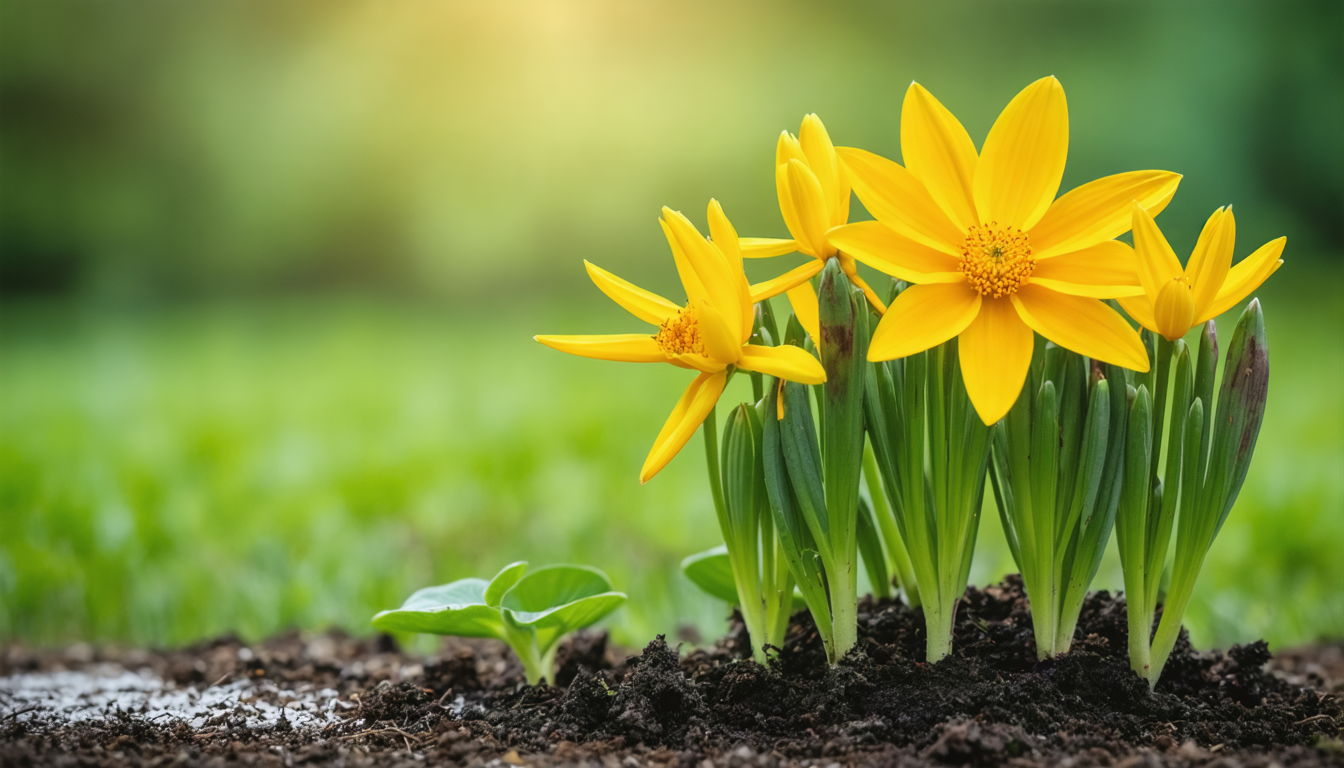
As long as the ground is not frozen solid and you can still work a shovel into the soil, you can plant spring-blooming bulbs like tulips, daffodils, and crocus.
How can I protect my potted shrubs over winter?
Potted plants are vulnerable because their roots are exposed to the cold. Group pots together in a sheltered location to create a microclimate. Wrap the pots themselves in burlap or bubble wrap to insulate the root ball, and apply a thick layer of mulch on top of the soil.