Introduction: A Season of Unpredictable Weather and Resilient Growers
The 2023 gardening season in Maine will be remembered as a true test of a gardener’s mettle. Characterized by a cool, saturated spring that seemed to delay summer’s arrival, followed by pockets of intense heat and surprising dry spells, the weather kept everyone on their toes. This article is a collective look back—a chance to celebrate our successes, learn from the hurdles, and appreciate the community bonds that grew stronger through it all.
Triumphs in the Maine Garden: What Thrived Against the Odds
Despite the climatic curveballs, many gardens produced remarkable, even unexpected, bounty. The season highlighted the incredible resilience of both plants and the people who tend them.
Unexpected Winners: Crops That Loved the 2023 Weather
While some sun-lovers struggled, other vegetables seemed to relish the conditions. Cold-hardy greens like kale, collards, and Swiss chard were prolific, often lasting well into the early winter with minimal protection. Root vegetables, particularly carrots and parsnips, developed deep, sweet roots thanks to the subsoil moisture retained from the wet spring. Certain potato varieties also showed impressive resistance to the blight pressures that can accompany damp weather.
The Flower Power Surge: Blooms That Stole the Show
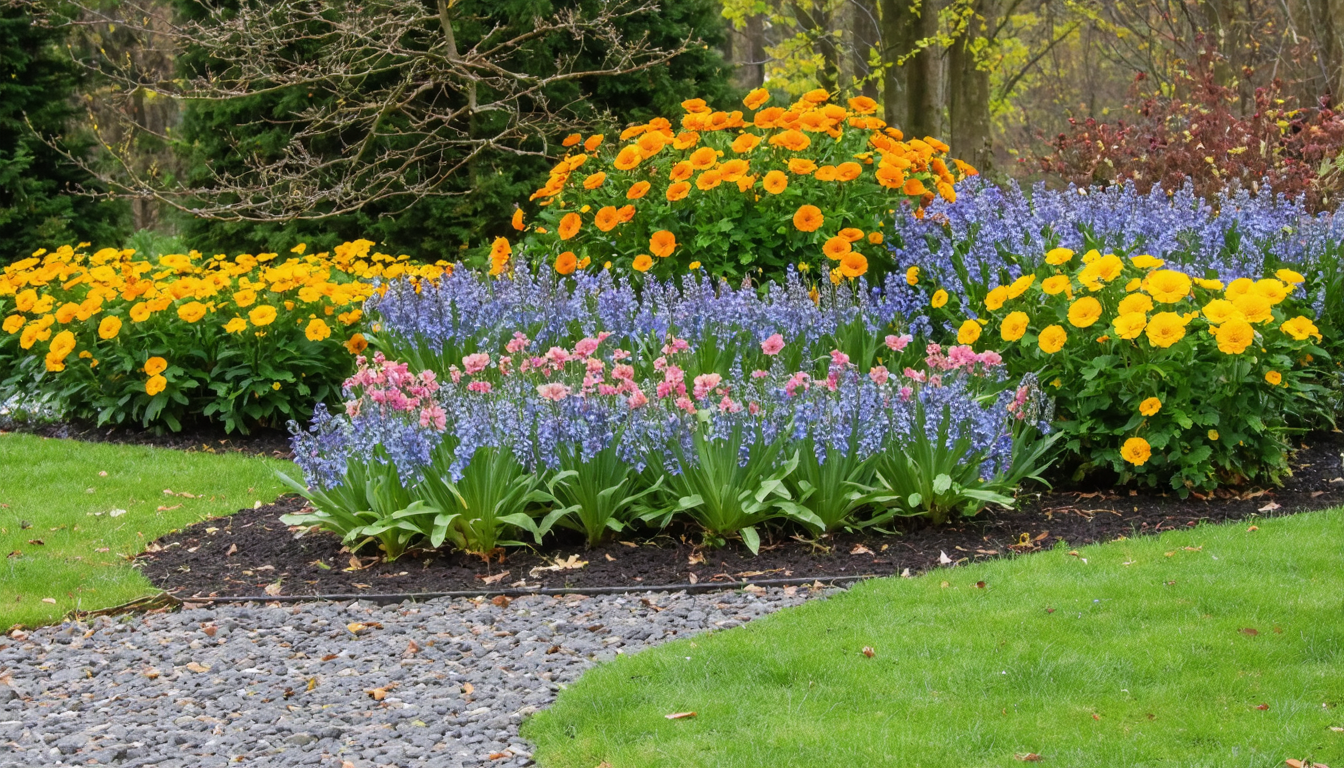
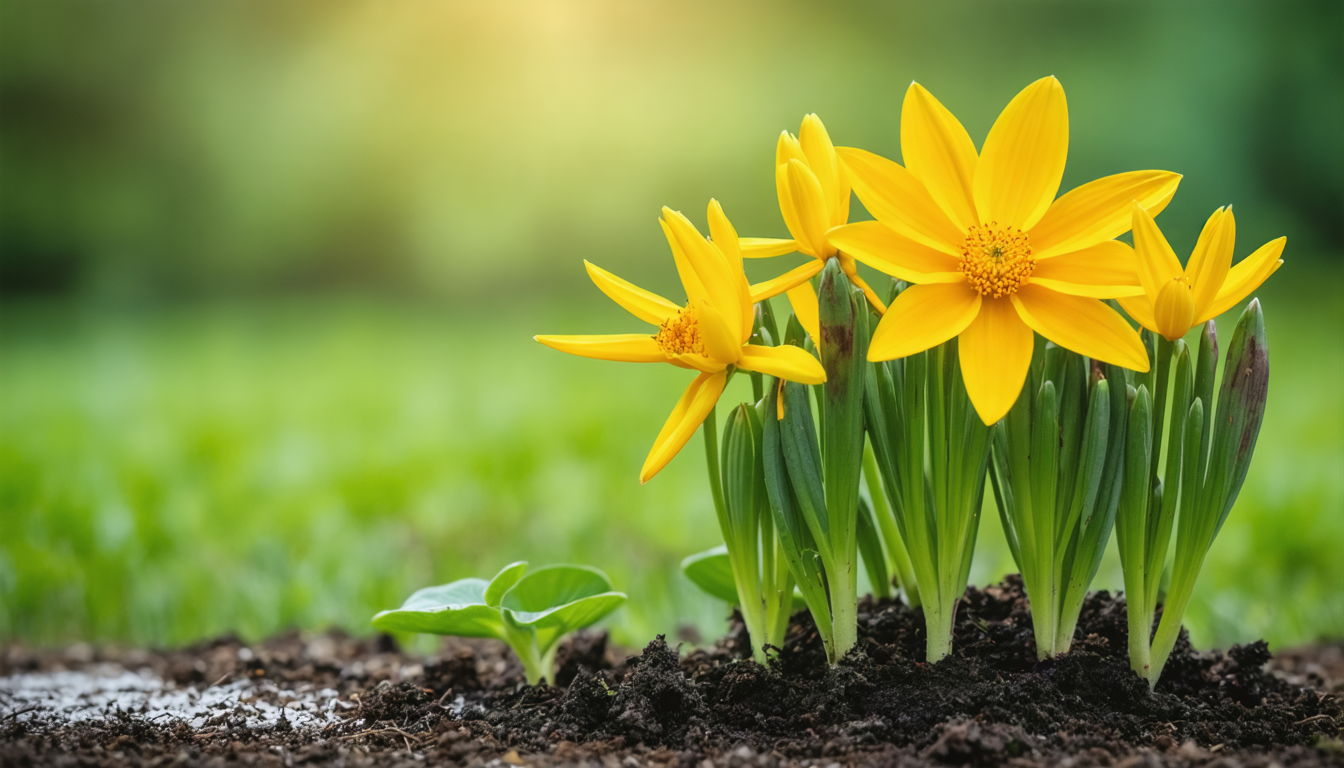
The flower garden was a source of constant joy and color. Zinnias and marigolds shrugged off the heat spikes, providing continuous blooms for pollinators and cut-flower arrangements. Native perennials were the true stars, with Echinacea (coneflower), Asclepias (milkweed), and Rudbeckia (black-eyed Susan) demonstrating their perfect adaptation to Maine’s variable climate, thriving with minimal intervention.
A Personal Victory: My Biggest Gardening Win This Year
For me, the triumph was the humble shelling pea. After a few disappointing years, I dedicated a new, well-drained raised bed with plenty of compost. The cool spring was perfect for them, and we harvested bowl after bowl of sweet, tender peas. It was a powerful reminder that sometimes a small change in technique or location can lead to a massive payoff.
Navigating the Hurdles: Lessons from a Tough Growing Year
Every season has its challenges, and 2023 provided a masterclass in adaptation. Understanding these hurdles is the first step toward a more resilient garden next year.
The Weather Rollercoaster: From Late Frosts to Summer Droughts
The season started with a prolonged cool and wet period that delayed soil warming, pushing back planting dates for heat-loving crops like tomatoes and peppers. Just as gardens found their footing, some regions experienced a significant dry spell in mid-summer, stressing plants and challenging water resources. This fluctuation also impacted pest and disease pressure, leading to increased issues with slugs in the damp spring and creating ideal conditions for fungal diseases like tomato blight later on.
Soil and Pest Surprises We Didn’t See Coming
Beyond the usual suspects, many gardeners reported unique issues. The heavy spring rains led to significant nutrient leaching, particularly of nitrogen, leaving plants yellowed and stunted just as they needed to grow. There was also an unusual surge in the presence of the spotted lanternfly in southern Maine, a new and concerning invasive pest that gardeners are now on high alert for.
What I’ll Do Differently Next Year: Adapting for 2024
The lessons of 2023 are already shaping plans for next season. Key adaptations include:
- Investing in Season Extension: Using row covers and low tunnels to protect against late frosts and warm the soil earlier in spring.
- Improving Water Resilience: Installing more rain barrels and setting up soaker hoses or drip irrigation for consistent, deep watering during dry periods.
- Amending Soil Proactively: Conducting soil tests and adding slow-release organic amendments like compost and well-rotted manure to combat nutrient loss.
The Heart of the Harvest: Forging Stronger Community Connections
Perhaps the most enduring legacy of the 2023 season was the way it brought Maine’s gardening community together, proving that shared knowledge is our most valuable resource.
Seed Swaps and Soil Stories: Learning from Fellow Gardeners
Local garden clubs, library programs, and even casual conversations over the fence became vital sources of hyper-local information. Gardeners swapped seeds for varieties that performed well in the cool spring and shared tips on combating the year’s unique pest pressures, creating a living network of support and wisdom.
The Rise of Local Plant Sales and Community Garden Collaborations
Community gardens and local nurseries became hubs of activity and collaboration. Surplus seedlings were shared, harvests were donated to local food pantries, and these spaces provided a physical place for gardeners to connect, problem-solve, and encourage one another.
The “Maine Garden Journal” Project: Become a Citizen Scientist
Something unique you might not know is the emergence of the “Maine Garden Journal” project. This is a grassroots, online initiative where gardeners from Kittery to Fort Kent can contribute their seasonal notes—first and last frost dates, pest sightings, bloom times, and varietal performance. This crowdsourced data is creating an invaluable, real-time map of Maine’s microclimates, turning every participant into a citizen scientist and helping the entire community garden more intelligently.
Frequently Asked Questions: Maine’s 2023 Gardening Season in Review
Was 2023 a good year for tomatoes in Maine?
It was a mixed bag. Gardeners who started with robust, hardened-off transplants and chose blight-resistant varieties (like ‘Mountain Magic’ or ‘Defiant’) often had good success, especially if they provided consistent moisture and good air circulation. Those who planted too early in cold soil or chose heirlooms susceptible to disease faced more challenges.
How did the unusual weather affect pollinators in my garden?
The cool, wet spring delayed the emergence of some native bees and butterflies. However, the extended bloom period of many native perennials provided a reliable food source once they were active. Planting a diversity of flowers that bloom from early spring to fall is the best way to support pollinators through unpredictable seasons.
What was the most common mistake gardeners made this season?
A widespread issue was planting heat-loving crops like squash, cucumbers, and tomatoes into soil that was still too cold and wet. This led to stunted growth, root rot, and plants that never fully recovered, leaving them vulnerable to pests and diseases later in the season. The lesson is to be patient and wait for the soil to truly warm up.
Where can I connect with other Maine gardeners to plan for next year?
Maine has a fantastic network of gardening resources. Key places to connect include:
| Resource | Focus |
|---|---|
| UMaine Cooperative Extension | Science-based advice, soil testing, master gardener programs. |
| Maine Organic Farmers and Gardeners Association (MOFGA) | Organic growing techniques, workshops, and the Common Ground Country Fair. |
| Local Facebook Groups (e.g., “Maine Gardeners”) | Real-time advice, plant swaps, and hyper-local tips. |
Conclusion: Carrying the Lessons Forward
The 2023 gardening season in Maine was a powerful lesson in resilience, adaptation, and the undeniable strength of community. The challenges we faced were not failures but valuable instructors, providing the wisdom we need to become even better stewards of our land. Let’s carry these lessons forward with optimism, knowing that the connections we’ve forged and the knowledge we’ve gained will make the 2024 season our most successful yet. We encourage you to share your own stories of triumph and challenge in the comments below!