Spring: The Season of Awakening and Growth
“My herbs are leggy and weak after winter. What do I do?”
This is a common issue for herbs that have been overwintered indoors or are struggling to rebound. The solution is a two-part process. First, for indoor-started plants, you must “harden them off” by gradually exposing them to outdoor conditions over 7-10 days. Second, give perennial herbs a vigorous pruning, cutting back dead and leggy growth by up to one-third to stimulate the emergence of new, bushy, and flavorful shoots from the base.
Essential Spring Tasks for a Healthy Start
Spring is the time for foundational work. Begin by preparing your soil; gently aerate it and amend it with well-rotted compost or a balanced, slow-release organic fertilizer. This is also the ideal time to divide and transplant overcrowded perennial herbs like mint, oregano, and thyme. For hardy annuals such as cilantro, dill, and parsley, you can sow seeds directly into the garden as soon as the soil is workable.
Spring-Specific Pest and Disease Watch
As new growth appears, so do the first pests of the season. Be vigilant for aphids, which cluster on tender new shoots, and slugs, which feast on seedlings in the cool, damp soil. A strong spray of water can dislodge aphids, while diatomaceous earth or beer traps are effective against slugs.
| Spring Task | Key Herbs to Focus On | Pro Tip |
|---|---|---|
| Hardening Off | Basil, Rosemary (started indoors) | Start with just 1-2 hours of morning sun, gradually increasing exposure. |
| Pruning & Dividing | Mint, Oregano, Thyme, Sage | Division not only controls spread but reinvigorates the plant for a more robust harvest. |
| Direct Sowing | Cilantro, Dill, Parsley, Chives | Sow seeds successionally every 2-3 weeks for a continuous harvest. |
Summer: The Season of Abundance and Vigilance
“My herbs are bolting (flowering too early) and taste bitter!”
Bolting is a plant’s natural response to heat and longer days, signaling the end of its leaf-producing cycle and the start of its reproductive stage. To combat this, maintain a consistent harvesting schedule. Regularly snipping the tips of herbs like basil and cilantro encourages the plant to focus its energy on producing more leaves instead of flowers. For basil, make it a habit to pinch off the central flower bud as soon as it appears.
The Art of Summer Watering
Watering correctly is crucial during the heat of summer. The goal is deep, infrequent watering that encourages strong root growth, as opposed to light daily sprinkling which promotes shallow roots. The best time to water is in the early morning; this allows foliage to dry before nightfall, significantly reducing the risk of fungal diseases like powdery mildew.
To Fertilize or Not to Fertilize in Summer?
This depends on your goal. Herbs grown primarily for their leaves, like basil and mint, benefit from a light feeding with a balanced, water-soluble organic fertilizer every 4-6 weeks to support vigorous growth. However, herbs like cilantro, which are grown for their seeds, or most Mediterranean herbs, typically require little to no extra fertilizer, especially if planted in rich garden soil. Over-fertilizing can actually dilute their potent essential oils.
| Herb Type | Summer Watering Needs | Fertilizing Recommendation |
|---|---|---|
| Mediterranean (Rosemary, Thyme) | Let soil dry out between waterings. | Little to none needed. |
| Tender/Lush (Basil, Cilantro, Mint) | Keep soil consistently moist. | Light feeding every 4-6 weeks. |
| Container Herbs (All Types) | Water more frequently, may need daily. | Light feeding monthly, as nutrients leach out. |
Autumn: The Season of Preparation and Preservation
“A sudden frost killed my favorite herbs overnight.”
This heartbreaking event is often preventable. The key is knowing your local average first frost date and keeping a close eye on the forecast. Tender herbs like basil and lemongrass cannot withstand any frost and should be harvested or brought indoors before the cold hits. For semi-hardy herbs, be prepared to protect them on cold nights with simple covers like cloches, frost cloths, or even old bedsheets.
The Final Harvest and Preparing for Dormancy
Autumn is your last chance to harvest tender annuals. Conduct a major final harvest of basil, cilantro, and other cold-sensitive plants. This is the perfect time to preserve your bounty. Compare your options: drying works well for woody herbs like rosemary and thyme, while freezing in oil or water is better for retaining the flavor of delicate herbs like basil and chives.
Autumn Garden Clean-Up
A thorough fall clean-up is a proactive measure for a healthier garden next year. Cut back perennial herbs, but avoid severe pruning that could expose the crown to winter damage. Clear away all dead plant debris and fallen leaves from the garden bed to eliminate hiding spots for pests and spores for disease, preventing them from overwintering.
Winter: The Season of Protection and Indoor Gardening
“I miss fresh herbs in the middle of winter!”
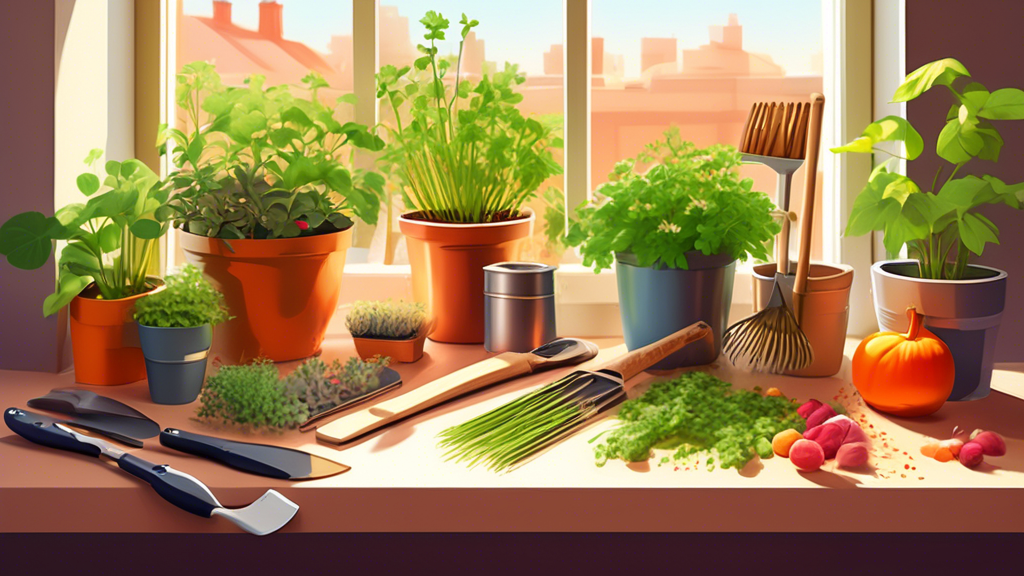
You don’t have to go without! With a sunny south-facing windowsill, you can successfully grow herbs indoors. The best candidates are herbs that tolerate lower light levels and don’t mind having their roots somewhat confined. Chives, mint, thyme, and parsley are among the most reliable for indoor winter gardening.
Protecting Outdoor Perennial Herbs
For herbs left in the ground, the goal is to protect them from freezing temperatures and damaging freeze-thaw cycles. Apply a protective layer of mulch like straw, shredded leaves, or evergreen boughs *after* the ground has frozen. This layer acts as an insulator, keeping the soil consistently cold. Potted perennial herbs are especially vulnerable; either bury the pot in the ground, insulate it heavily, or move it to an unheated garage or shed.
Planning for Next Year
Winter is the perfect time for reflection and planning. Review your garden notes on what varieties thrived and which struggled. Use this quiet season to order seeds for the spring and sketch out new garden layouts, perhaps experimenting with companion planting or new container arrangements.
Pro Tip: Understanding Your Herbs’ Origin is Key
Group Herbs by Their Native Climate for Easier Care
A unique insight that simplifies everything is to understand that an herb’s needs are deeply tied to its ancestral home. By grouping your herbs based on their native climate, you can water, feed, and place entire sections of your garden with one strategy.
- Mediterranean Herbs (Rosemary, Thyme, Oregano, Lavender): These herbs hail from hot, dry, rocky regions. They demand full sun, excellent drainage, and prefer to dry out completely between waterings. They are naturally drought-tolerant and are often killed more by “wet feet” in winter than by the cold itself.
- Tender/Lush Herbs (Basil, Cilantro, Parsley): Originating in more temperate or tropical regions, these herbs prefer consistently moist (but never waterlogged) soil and more frequent watering. They have little tolerance for cold and are the first to succumb to frost.
Frequently Asked Questions (FAQs)
What is the most common mistake in seasonal herb care?
The most frequent error is applying a one-size-fits-all watering schedule. Herbs’ water needs are directly tied to temperature and daylight hours. Overwatering in the cool, dim seasons (autumn and winter) is just as common and damaging as underwatering during the hot, bright summer months.
Can I grow mint outdoors year-round?
Yes, mint is an extremely hardy perennial and can survive winters in most climates. In fact, the greater challenge is often containing its aggressive spread. For this reason, it is almost always recommended to grow mint in a container to prevent it from taking over your garden.
When is the absolute best time to harvest herbs for the most flavor?
The optimal time is in the late morning. Wait for the dew to evaporate, but harvest before the intense midday sun arrives. At this time, the plant’s essential oils—which contain all the flavor and aroma—are at their peak concentration.
My rosemary plant looks sad after winter. Is it dead?
Don’t be too quick to declare it a loss! Rosemary and other woody perennials can be slow to show signs of life in spring. Perform a simple “scratch test”: use your fingernail to gently scratch the bark on a stem. If you see a layer of green underneath, the stem is still alive and the plant will likely leaf out given more time and warmer weather. Prune away any stems that are brittle and snap easily, as these are truly dead.