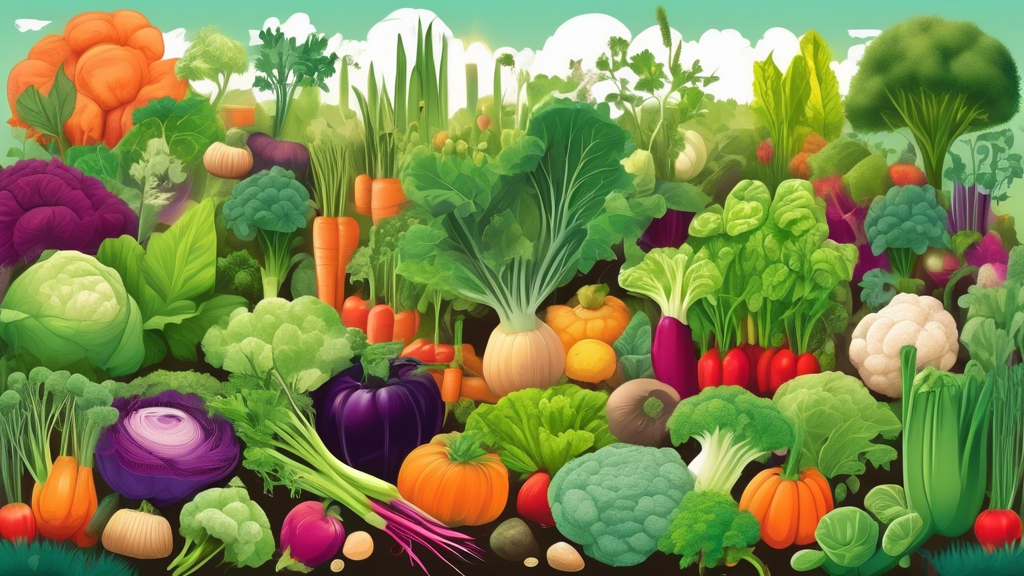
Introduction: What is Companion Planting?
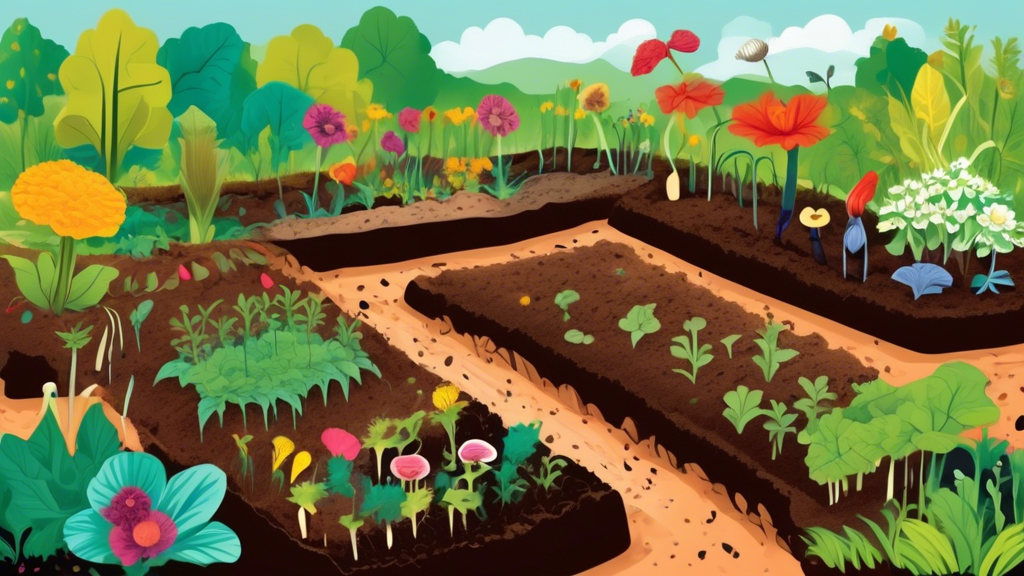
Companion planting is a time-tested gardening method that involves strategically placing different plant species near each other to create mutual benefits. This practice has been used for centuries by Indigenous cultures, such as the Native American “Three Sisters” method, and is now a cornerstone of modern organic gardening. The core idea is simple: by choosing the right plant partners, you can foster a garden ecosystem where plants visibly thrive, becoming more robust, productive, and resilient.
Core Challenges Companion Planting Addresses
Battling Pests Without Harsh Chemicals
Many gardeners struggle with insect invasions that damage crops. Companion planting offers a natural solution. Certain plant combinations emit odors or chemicals that repel specific pests. For example, marigolds release a substance from their roots that deters nematodes, while the strong scent of basil can mask the aroma of tomato plants, confusing and repelling hornworms and flies.
Boosting Soil Health and Nutrient Uptake
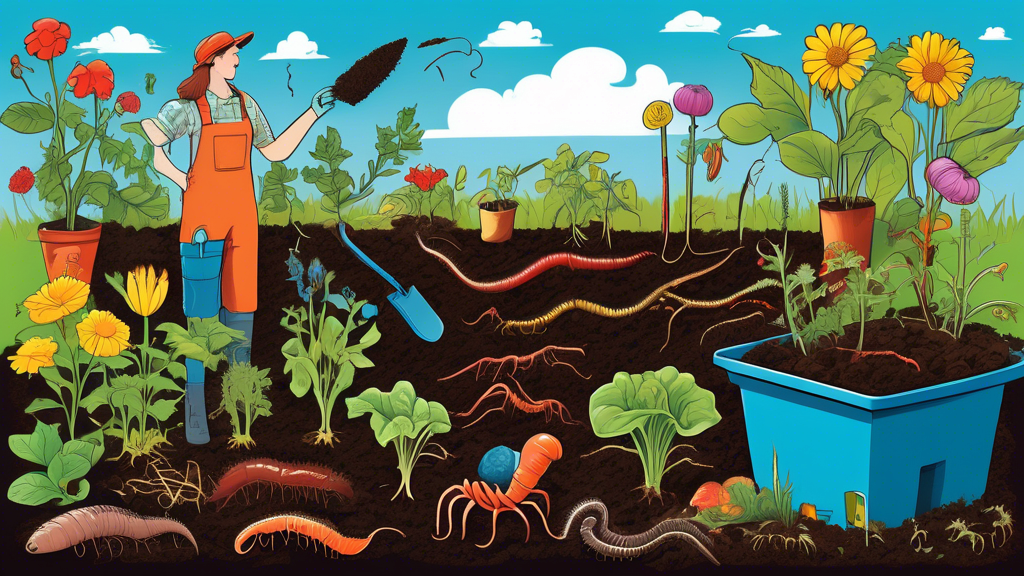
Poor soil quality and nutrient depletion can stunt plant growth. Companion planting directly addresses this. Legumes like beans and peas have a symbiotic relationship with soil bacteria, allowing them to “fix” atmospheric nitrogen into a form other plants can use. Planting beans near heavy feeders like corn provides a natural, slow-release fertilizer, reducing the need for synthetic alternatives.
Maximizing Space and Smothering Weeds
Limited garden space and relentless weed growth are common frustrations. Companion planting provides an elegant solution. By pairing tall, vertical growers with low-growing, spreading plants, you create a living mulch. The broad leaves of squash or pumpkins, for instance, shade the soil, suppressing weed germination and conserving moisture, all while making efficient use of every square inch.
Improving Pollination and Fruit Set
Poor fruit production is often linked to inadequate pollination. Incorporating flowering companions like borage, nasturtiums, or dill into your vegetable beds attracts a diverse population of bees, butterflies, and other beneficial pollinators. This increased pollinator traffic leads to better fertilization of flowers and, consequently, a more abundant harvest.
Classic Companion Planting Pairings to Try
The “Three Sisters” Garden: A Legendary Trio
This ancient Native American planting method combines corn, beans, and squash. The corn provides a natural trellis for the beans to climb. The beans fix nitrogen in the soil to feed the corn and squash. The squash spreads along the ground, shading the soil to retain moisture and suppress weeds. It’s a perfect model of symbiotic plant relationships.
Tomato Allies and Enemies
Tomatoes benefit greatly from specific companions. Basil is renowned for improving their flavor and repelling pests. Marigolds deter nematodes, and onions can ward off aphids. However, avoid planting tomatoes near brassicas (like cabbage and broccoli) or fennel, as these can inhibit tomato growth.
Carrot Companions for a Better Harvest
Carrots and onions (including leeks and chives) are a classic pairing. The strong smell of onions confuses and deters the carrot fly, while the scent of carrots can help repel the onion fly. This mutual pest protection is a prime example of companion planting in action.
| Primary Plant | Good Companions | Benefits | Plants to Avoid |
|---|---|---|---|
| Tomatoes | Basil, Marigolds, Onions | Pest repellent, improved flavor | Brassicas, Fennel |
| Beans | Corn, Cucumbers, Strawberries | Nitrogen fixation, structural support | Onions, Garlic |
| Cucumbers | Beans, Peas, Radishes | Pest control, efficient spacing | Potatoes, Aromatic Herbs |
The Unique Benefit You Might Not Know: Biochemical Warfare (Allelopathy)
Beyond physical support and pest control, some companion plants engage in subtle biochemical warfare known as allelopathy. This is where plants release natural chemicals into the environment through their roots, leaves, or seeds that influence the germination, growth, or survival of neighboring plants. While the black walnut tree is a famous example for releasing juglone, which inhibits the growth of many plants, sunflowers use this power for good. They release compounds that suppress weed growth, acting as a natural herbicide. Understanding and leveraging allelopathy can be your secret weapon for creating a self-regulating, healthier garden ecosystem with less manual weeding and intervention.
Companion Planting vs. Other Gardening Methods
Companion Planting vs. Monocropping
Monocropping, or planting large areas with a single species, creates a vulnerable ecosystem. Pests and diseases can spread rapidly through a uniform crop. Companion planting, with its emphasis on biodiversity, creates a resilient garden. A diverse planting scheme makes it harder for pests to locate their host plants and encourages a balanced population of beneficial insects that keep pests in check.
Companion Planting vs. Heavy Reliance on Fertilizers/Pesticides
Relying on chemical fertilizers and pesticides is a reactive approach that can harm soil life and lead to pesticide resistance. Companion planting is a proactive, systems-based strategy. It builds healthy soil from within (e.g., through nitrogen fixation) and manages pests through ecological relationships. This method promotes long-term soil health, reduces gardening costs, and minimizes your garden’s environmental footprint.
Frequently Asked Questions (FAQs) About Companion Planting
Can companion planting really replace pesticides entirely?
For many home gardeners, companion planting can drastically reduce or even eliminate the need for pesticides. It is an incredibly powerful pest management tool. However, in cases of severe, established infestations, some intervention may still be necessary. Think of it as your first and most important line of defense.
How close do companion plants need to be?
For the benefits to be effective, companion plants generally need to be within a few feet of each other. Their root zones should be able to interact, and their aromatic compounds need to overlap to create a protective barrier or attract beneficial insects. Planting them in adjacent rows or intermingling them in the same bed is ideal.
I have a small garden/containers. Can I still use companion planting?
Absolutely! Companion planting is perfectly suited for small spaces and container gardening. You can plant beneficial pairs directly in the same pot—like tomatoes and basil—or group complementary plants in adjacent containers on a patio or balcony.
Where can I find a reliable companion planting chart?
For the most reliable information, consult resources from reputable university agricultural extension websites (like those from Cornell University or the University of California) and well-regarded organic gardening books. Be aware that some companion planting advice is based on garden lore, so it’s always a good idea to test pairings in your own garden.
Conclusion: Cultivate a Healthier, Harmonious Garden
The benefits of companion planting for healthier plants are clear: it provides natural pest control, enriches soil health, maximizes space, and boosts pollination. This method empowers you to work with nature’s wisdom rather than against it. Start small by experimenting with one or two classic pairings, like tomatoes and basil or carrots and onions. By embracing these strategic plant partnerships, you can cultivate a more resilient, productive, and beautiful garden ecosystem.