The Crisis Our Ecosystems Face: Why Pollinators Are in Peril
Primary Challenges for Pollinators Today
Modern landscapes present numerous threats to pollinator populations. The widespread conversion of wild spaces into agricultural and urban developments leads to critical habitat loss and fragmentation. Pesticides and herbicides, particularly neonicotinoids, directly poison these vital creatures and contaminate their food sources. Furthermore, the prevalence of monoculture lawns and non-native ornamental plants creates floral deserts, lacking the diverse nectar and pollen necessary for pollinator survival. Stressed from these conditions, pollinator populations become increasingly vulnerable to diseases and parasites.
The Ripple Effect: Consequences of Pollinator Decline
The disappearance of pollinators triggers a cascade of negative effects throughout ecosystems. Our food supply is directly threatened, as approximately one out of every three bites of food we consume relies on pollinators. Native plant communities, which often depend on specific pollinators for reproduction, face collapse. This, in turn, impacts the broader wildlife that relies on the fruits and seeds produced by these plants for their own sustenance.
Core Benefits of Pollinator Gardens for Biodiversity and Ecosystems
Creating Essential Habitat and Corridors
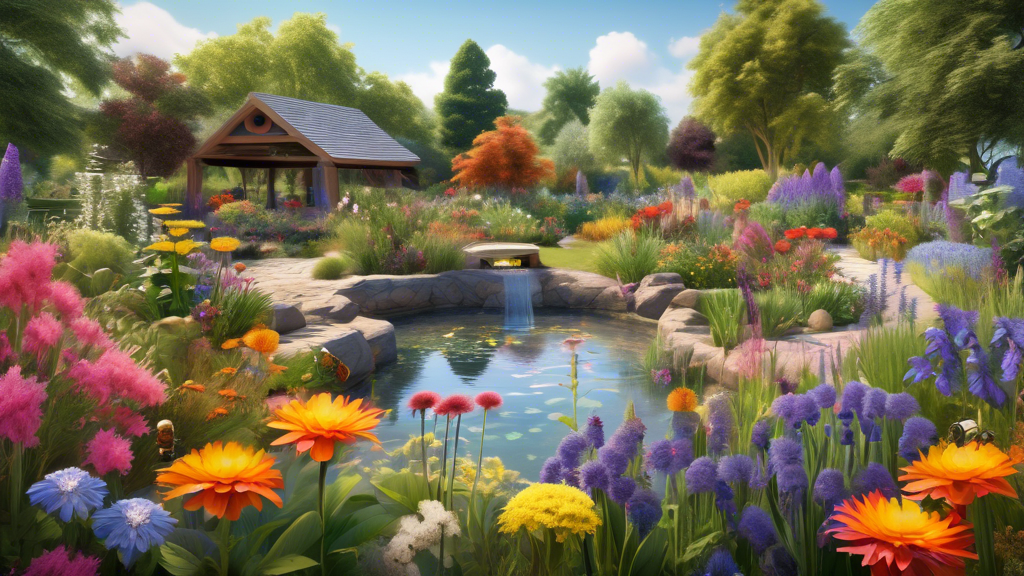
Pollinator gardens provide the fundamental necessities for survival: food in the form of nectar and pollen, water, shelter, and nesting sites. In urban and suburban settings, these gardens act as crucial “stepping stones,” creating interconnected pathways that link larger wild spaces and allow pollinators to safely travel and forage.
Boosting Plant Reproduction and Genetic Diversity
By facilitating cross-pollination, pollinators are key to producing stronger, more resilient plant offspring. This process is vital for the successful reproduction of native wildflowers, shrubs, and trees, ensuring the health and continuity of local flora.
Strengthening the Local Food Web
Pollinators themselves become a food source for other animals, such as birds and spiders. Furthermore, the healthy plants they help propagate support a greater number of herbivores, which in turn sustain a larger population of predators, creating a robust and balanced local food web.
Improving Soil Health and Water Retention
Unlike shallow-rooted lawn grasses, the deep-rooted native plants typically found in pollinator gardens help prevent soil erosion and improve soil structure. These gardens also promote better water infiltration and reduce harmful runoff compared to traditional lawns.
Pollinator Garden vs. Traditional Lawn: A Direct Comparison
| Aspect | Traditional Lawn | Pollinator Garden |
|---|---|---|
| Environmental Impact | High water use, chemical runoff, carbon emissions from mowing, “food desert” for wildlife. | Water-efficient, chemical-free, carbon-sequestering, creates a thriving ecosystem. |
| Maintenance & Cost | Frequent mowing, fertilizing, weeding, and high water bills. | Once established, requires less water, no chemicals, and less frequent maintenance. |
| Aesthetic & Value | Monotonous green carpet. | Dynamic, ever-changing landscape of colors, textures, and life; can increase property value. |
Beyond the Bees: Unique and Surprising Benefits
The “Eyes on the Street” Effect
A little-known benefit of pollinator gardens is their potential to enhance community safety. Studies related to environmental criminology suggest that well-maintained, natural green spaces foster a greater sense of community pride and encourage more time spent outdoors. This increases passive surveillance—the “eyes on the street”—which can deter criminal activity.
Native Plants as Natural Pest Control
A diverse pollinator garden naturally regulates pest populations. By attracting beneficial insects like ladybugs and lacewings, which are natural predators of common garden pests such as aphids, these gardens reduce or even eliminate the need for chemical pest control.
Mental and Physical Health Benefits for You
Engaging with a pollinator garden offers significant therapeutic effects. The act of gardening and spending time in a biodiverse, natural environment has been proven to reduce stress, improve mood, and enhance overall well-being.
Frequently Asked Questions (FAQs) About Pollinator Gardens
I don’t have a big yard. Can I still help?
Absolutely! You don’t need a large space to make a difference. Container gardens on a balcony or patio, or even a single native flowering shrub planted in a small garden bed, can provide crucial resources for local pollinators.
What are the top 5 native plants I should start with?
It’s best to choose plants native to your specific region. However, some widely beneficial and easy-to-grow natives for many areas include:
- Milkweed (essential for Monarch butterflies)
- Coneflower (Echinacea)
- Bee Balm (Monarda)
- Goldenrod (Solidago)
- Blazing Star (Liatris)
Will a pollinator garden attract unwanted pests or bees to my house?
Pollinators are primarily focused on the flowers, not your home. Most native bee species are solitary, non-aggressive, and unlikely to sting unless directly threatened. A healthy, diverse ecosystem tends to balance itself and does not lead to pest infestations.
Is it more expensive to start a pollinator garden than to plant a lawn?
The initial investment for plants and soil preparation might be comparable to sodding a new lawn. However, the long-term savings are significant. Pollinator gardens require far less water, no purchased fertilizers or pesticides, and eliminate fuel and maintenance costs for lawn mowers and other equipment.