What is Soil Health, and Why Does It Matter?
Beyond Dirt: Soil as a Living Ecosystem
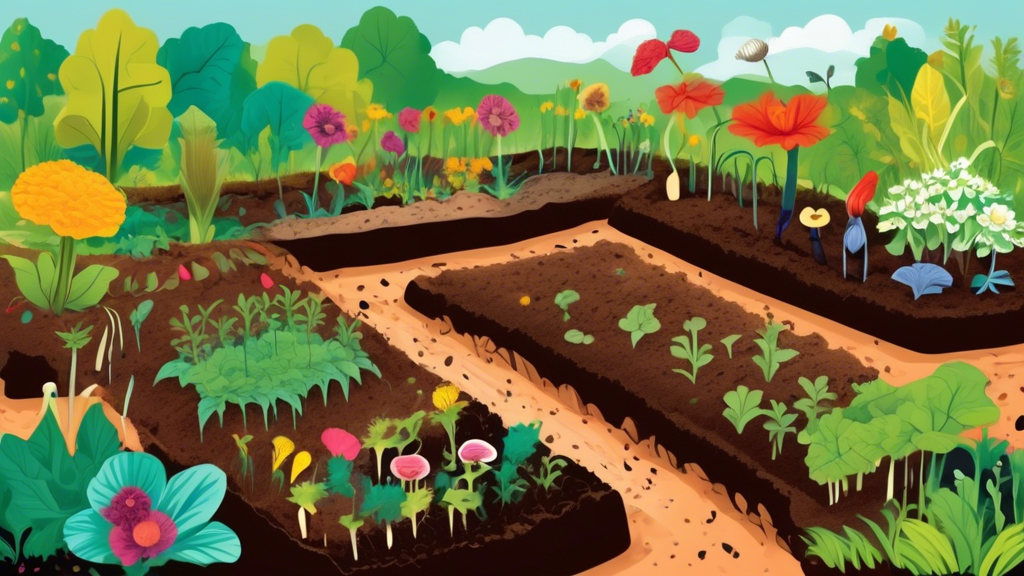
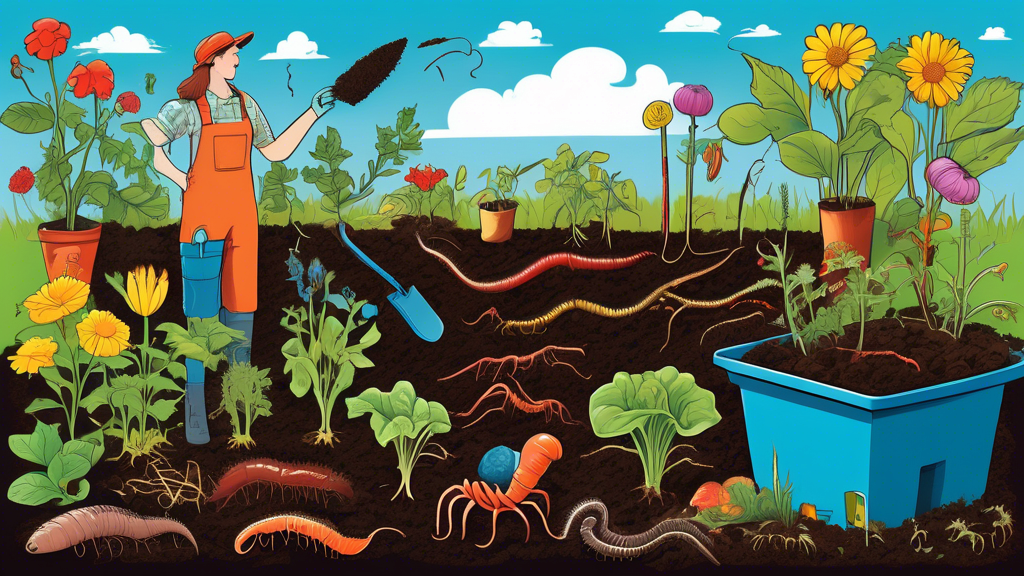
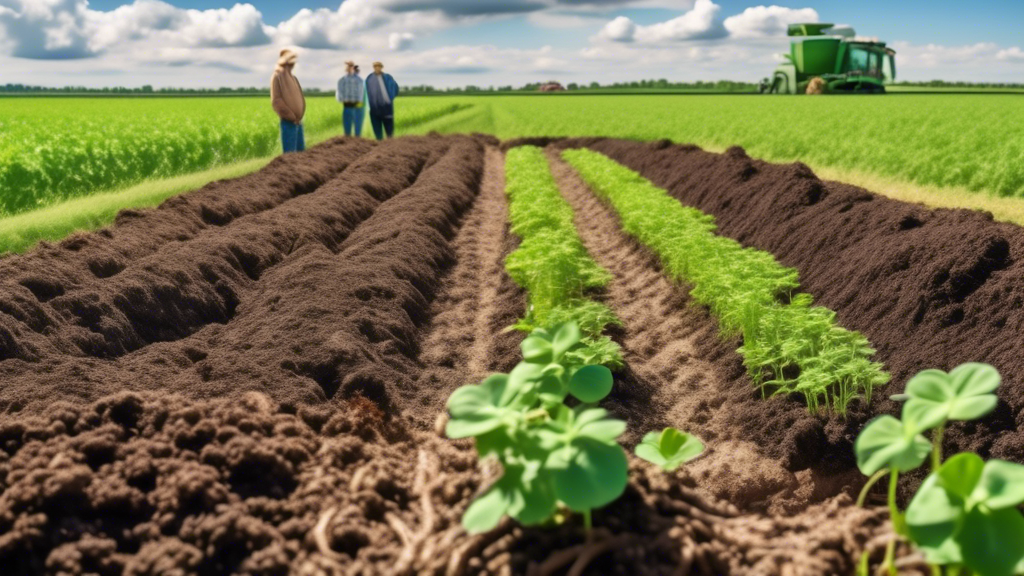
Healthy soil is far more than just dirt; it’s a complex, living ecosystem teeming with billions of bacteria, fungi, protozoa, insects, and earthworms. These organisms form a intricate food web where they work together to break down organic matter, cycle nutrients, and create a stable environment for plant roots. The ultimate goal of soil management is not just to feed plants directly, but to nourish and sustain this entire underground community.
The Consequences of Unhealthy Soil
When soil health declines, the entire system suffers. You’ll often find soil that is compacted, lifeless, and depleted of organic matter. This leads to a cascade of problems, including poor water infiltration (leading to runoff and erosion), a lack of available nutrients for plants, and increased susceptibility to diseases and pests, creating a constant struggle for the gardener.
The Multifaceted Role of Compost in Boosting Soil Health
Supercharging Soil Structure
Compost acts as a miracle worker for soil texture. In sandy soils, the organic matter in compost binds the sand particles together, dramatically improving water and nutrient retention. In heavy clay soils, compost works to separate the fine clay particles, creating pores and channels that improve drainage and aeration, allowing roots to breathe and grow deeply.
A Slow-Release Powerhouse of Nutrients
Unlike synthetic fertilizers that offer a quick, often harsh, nutrient burst that can leach away or even harm soil life, compost releases nutrients slowly and steadily as it continues to break down. This provides a consistent, balanced supply of essential macronutrients (Nitrogen, Phosphorus, Potassium) as well as a full spectrum of vital micronutrients that are often absent from chemical fertilizers.
The Ultimate Water Manager
Dealing with water that either runs off the surface without soaking in or pools in puddles is a common frustration. Compost is a natural solution. It acts like a sponge, significantly increasing the soil’s water-holding capacity. This means you can water less frequently, your plants are better equipped to handle dry spells, and precious water is conserved.
The Unique Superpower: Compost as a Disease Suppressant
A little-known but powerful benefit of high-quality compost is its ability to actively suppress soil-borne plant diseases. The process, known as “general suppression,” occurs because the incredibly diverse and robust community of microorganisms in compost outcompetes pathogenic fungi and bacteria for resources and space. Some composts even contain specific beneficial microbes that directly attack pathogens. Think of it as inoculating your soil with a natural vaccine.
Compost vs. Alternatives: Making the Right Choice
Compost vs. Synthetic Fertilizer
| Aspect | Compost | Synthetic Fertilizer |
|---|---|---|
| Primary Action | Feeds the soil ecosystem | Feeds the plant directly |
| Soil Structure | Improves long-term | No positive effect |
| Nutrient Release | Slow and steady | Fast-acting but short-lived |
| Impact on Biology | Promotes microbial life | Can harm with overuse |
Verdict: While they can be used in tandem for specific goals, compost is the non-negotiable foundation for building true, lasting soil health.
Compost vs. Manure
| Aspect | Compost | Manure |
|---|---|---|
| Nutrient Profile | Balanced and stable | Very high, can be unbalanced |
| Plant Safety | Safe to use immediately | Can “burn” plants if not aged |
| Weeds & Pathogens | Process kills most seeds and pathogens | May contain weed seeds and E. coli |
Verdict: Well-finished compost is generally the safer, more predictable, and more versatile choice for the home gardener.
Compost vs. Mulch
| Aspect | Compost | Mulch (e.g., wood chips, straw) |
|---|---|---|
| Primary Function | Soil amendment (mixed in) | Soil covering (applied on top) |
| Weed Suppression | Minimal | Excellent |
| Nutrient Addition | Direct and significant | Indirect and slow as it breaks down |
Verdict: They are not interchangeable but are powerful allies. For the best results, incorporate compost *into* your soil and then apply mulch *on top* of it.
How to Integrate Compost into Your Garden
The Simple “Top-Dressing” Method
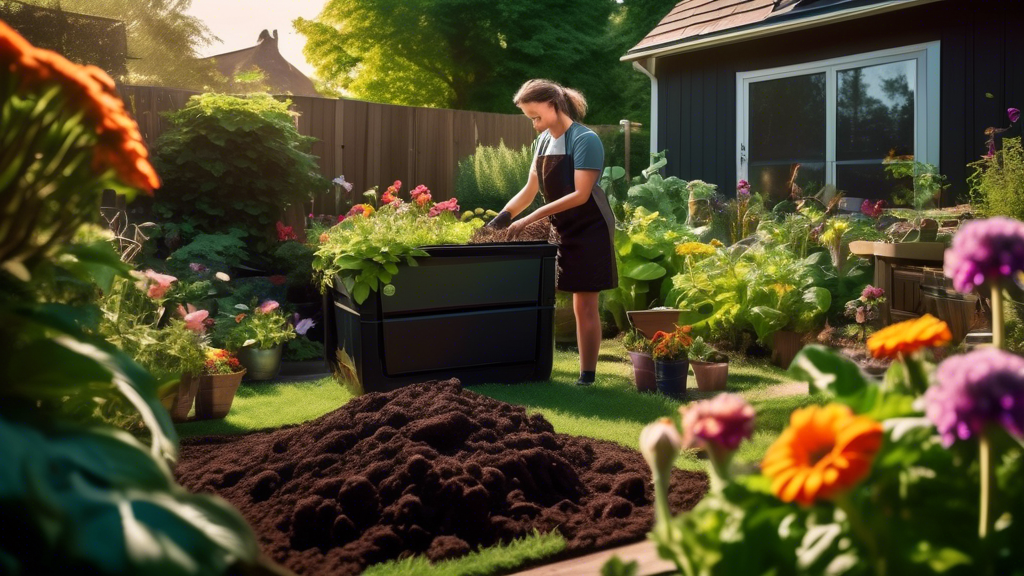
Simply spread a 1/2 to 2-inch layer of finished compost on top of the soil around your existing plants. Water it in, and the worms and microbes will gradually incorporate it into the soil for you.
The “Compost Tea” Liquid Boost
Compost tea is a liquid extract brewed from compost, teeming with beneficial microbes. It’s an excellent way to quickly inoculate your soil and plant leaves with life, especially for giving seedlings a strong start or reviving stressed plants.
Incorporating Compost into New Beds and Pots
When creating a new garden bed or filling containers, mix compost thoroughly with your native topsoil. A good rule of thumb is a ratio of 1 part compost to 2 or 3 parts soil. This instantly creates a rich, well-structured growing medium.
Frequently Asked Questions About Compost and Soil Health
Can you use too much compost?
Yes, although it’s difficult, it is possible. Extremely high amounts of compost can lead to nutrient imbalances, such as an excess of phosphorus, which can harm plant growth and local waterways. In containers or very dense soils, too much compost can sometimes create drainage issues. Moderation and soil testing are your best guides.
How long does it take to see improvements in soil health from compost?
You may notice improvements in plant vigor and color within a single growing season. However, building a truly resilient, self-sustaining soil ecosystem with a stable structure and high organic matter content is a multi-year process. The benefits of compost are profound and cumulative.
What’s the difference between compost and topsoil?
Topsoil is the native, mineral-based soil that forms the base of your garden. Compost is a soil *amendment*—a concentrated organic material that you add to topsoil to radically improve its quality. You don’t use compost *instead* of topsoil; you use it to supercharge your existing topsoil.
My compost smells bad. Is it still good for the soil?
A foul, rotten-egg or ammonia smell indicates anaerobic conditions, meaning the pile lacks oxygen. This can happen if it’s too wet, too compacted, or hasn’t been turned. The compost needs to be aerated by turning it. Once it has a pleasant, earthy, and sweet smell, it is cured and ready to use.