What’s Blooming? A Gardener’s Guide to the Spring Spectacle
The Star Attractions: Rare and Native Plants Taking Center Stage
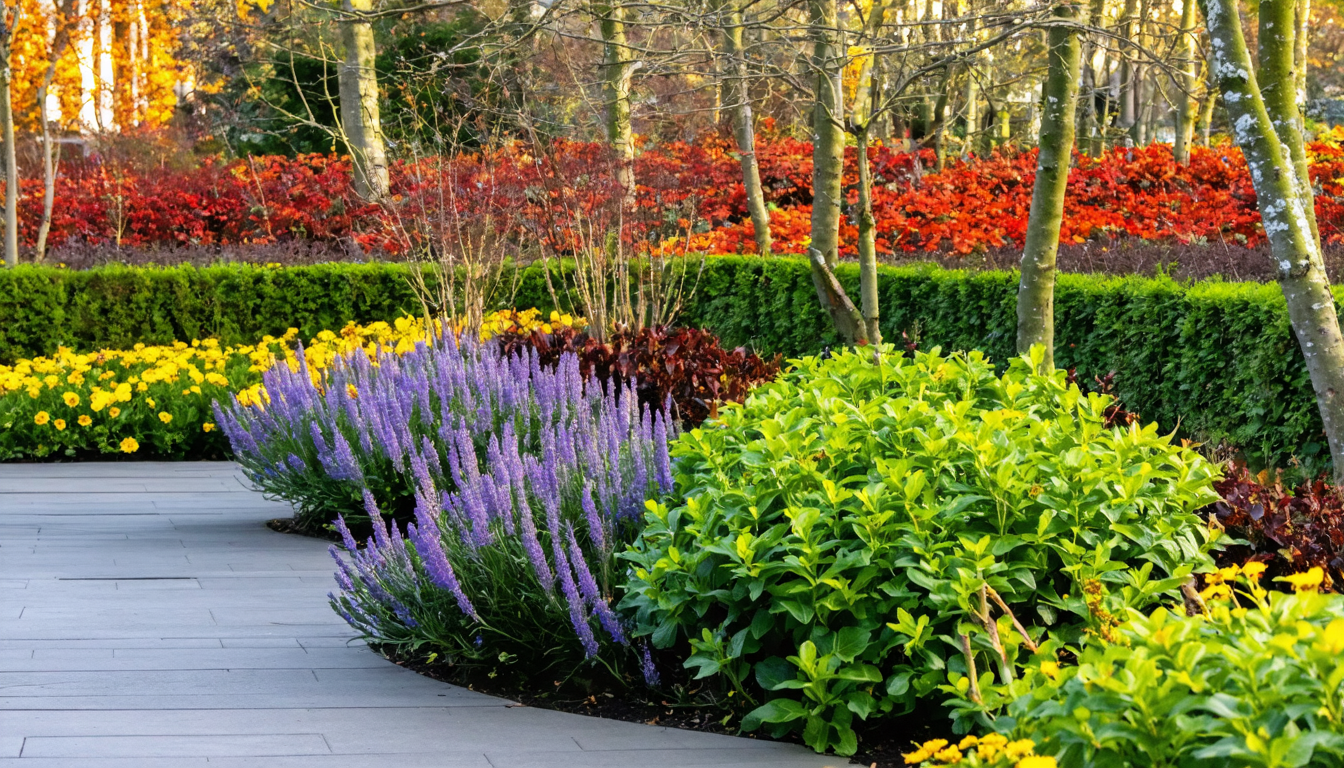
This spring, the WA Botanic Gardens is a living canvas painted with the vibrant hues of Western Australia’s unique flora. Look for the stunning Kangaroo Paw (Anigozanthos) hybrids, showcasing a spectrum from fiery reds to cool greens. The Gardens are also delighting visitors with their homegrown discoveries, including new, more resilient cultivars of the iconic Smoke Bush (Conospermum) and rare, ground-hugging Lechenaultia species that explode with electric blue and red flowers. These aren’t just beautiful; they represent significant horticultural achievements in propagating challenging native species.
Beyond the Blooms: Sustainable Gardening Practices on Display
The beauty of the gardens is matched by its brain. As you wander, observe the sophisticated yet replicable sustainable practices. Notice the extensive use of mulch to retain soil moisture and suppress weeds, the strategic grouping of plants with similar water needs (hydrozoning), and the clever contouring of land to capture and redirect precious rainwater. These methods are on full display, providing a masterclass in creating a stunning garden that respects the local environment.
Solving Your Spring Gardening Challenges
“My Soil is Terrible!” – Learning from the Gardens’ Expert Soil Management
Many Perth gardeners struggle with sandy, nutrient-poor soil. The Botanic Gardens tackles this head-on. Instead of costly and constant soil replacement, they focus on building soil health from the top down. The key is incorporating large amounts of well-composted organic matter and using coarse, native-friendly mulches. This improves water retention and slowly builds a fertile, living soil ecosystem, a technique any gardener can adopt.
“How Do I Keep My Garden Thriving with Less Water?”
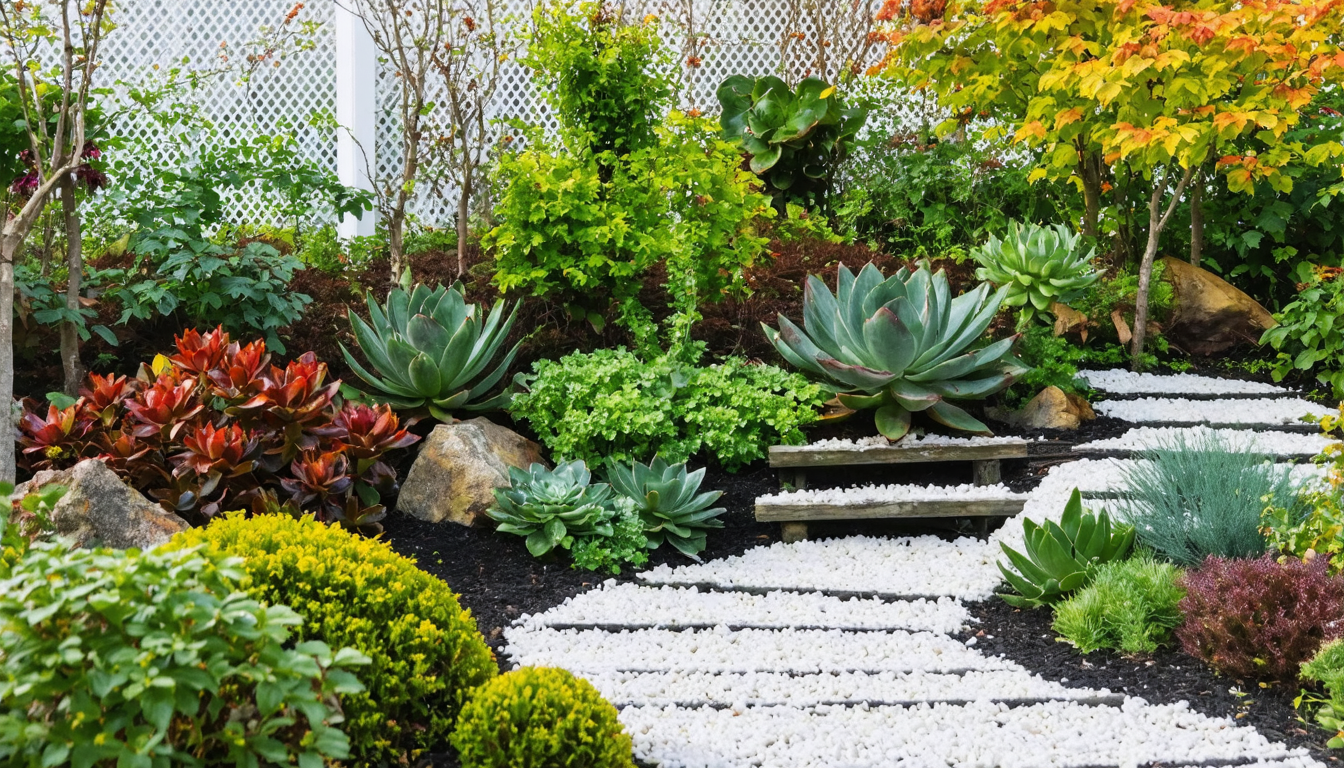
Water restrictions are a reality, but a beautiful garden doesn’t have to be a thirsty one. The Gardens are a testament to the principles of xeriscaping. By selecting deep-rooted native plants adapted to our dry summers, and employing efficient drip irrigation systems that deliver water directly to the root zone, they maintain a lush landscape with minimal water use. Observe how gravel gardens and succulent beds are used in the hottest areas to reduce water demand to almost zero.
“I Want Color, But I Don’t Want to Constantly Re-plant”
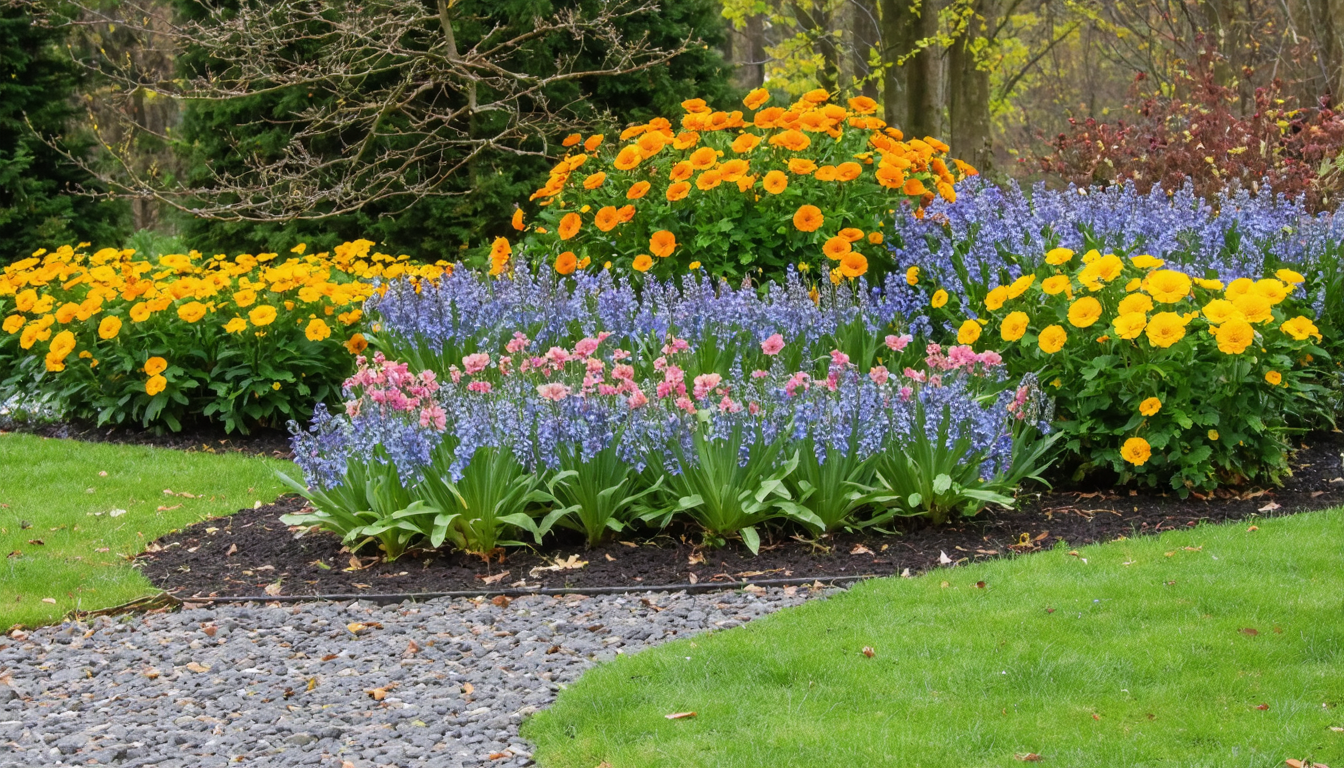
Break the cycle of seasonal annuals! The Gardens are filled with perennial native plants that provide reliable, year-after-year color. Look for the ever-reliable Geraldton Wax (Chamelaucium uncinatum), the sprawling Scaevola, and various Eremophila (Emu Bush) species. Many of these plants also attract birds and pollinators, adding another layer of life and interest to your garden with no extra work.
Native vs. Exotic: What’s Right for Your Perth Garden?
The Case for WA Natives: Resilience and Biodiversity
WA native plants are the undisputed champions of the local garden. They are naturally adapted to our climate, requiring far less water and fertilizer once established. More importantly, they form the backbone of local ecosystems, providing food and habitat for native birds, insects, and other wildlife. Planting a native garden is an active contribution to local biodiversity.
When Exotics Can Work: Integrating Non-Natives Responsibly
While natives are ideal, some well-chosen exotic plants can complement a garden. The key is selection. The Gardens integrate Mediterranean plants like olives, lavenders, and rosemary, which share similar low-water needs. The critical rule is to avoid plants known to be invasive. Always check the Declared Plant Register before introducing a new plant to your garden.
| Plant Type | Water Needs | Maintenance Level | Wildlife Value |
|---|---|---|---|
| WA Native (e.g., Banksia) | Low (once established) | Low | High |
| Mediterranean Exotic (e.g., Lavender) | Low | Low | Medium (attracts bees) |
| Traditional Garden Annual (e.g., Petunia) | High | High | Low |
Frequently Asked Questions for Your Spring Visit
When is the absolute best time to visit for peak spring flowers?
For the most spectacular display, plan your visit between late August and mid-October. The peak can vary slightly each year depending on winter rainfall and early spring temperatures, so checking the Gardens’ social media for weekly bloom updates is a great idea.
Are the plants I see available to buy in the Gardens’ nursery?
Yes! Many of the plants on display, especially the homegrown discoveries and more common natives, are available for purchase at the Gardens’ own nursery. This is the best way to ensure you’re getting a healthy, ethically propagated plant that is true to type.
Can I take cuttings or seeds from the plants in the Gardens?
No, collecting plant material is strictly prohibited. The Gardens are a conservation and scientific resource, and each plant is valuable for research and display. However, the staff at the nursery can provide advice on how to source the plants you admire legally and ethically from licensed growers.
Are there guided tours focused specifically on gardening tips?
Absolutely. The Gardens regularly run guided walks and specialist workshops led by their expert horticulturists. These tours often focus on seasonal topics like spring planting, propagation techniques, and sustainable garden design. Booking in advance is recommended as these popular events fill up quickly.
A Unique Discovery You Might Miss: The Underground Network
The Secret Society of Mycorrhizal Fungi
Here’s something most visitors walk right over: a hidden, symbiotic world beneath their feet. Many of the most spectacular and resilient WA natives, particularly from families like the Proteaceae (Banksias, Grevilleas) and Myrtaceae (Eucalypts, Melaleucas), form a crucial partnership with native mycorrhizal fungi. These fungi attach to the plant’s roots, creating a vast underground network that acts as a secondary root system. This network dramatically increases the plant’s ability to absorb water and phosphorus from our notoriously nutrient-poor soils. This complex relationship is one of the key reasons the Gardens’ “homegrown discoveries” are so impressive—they’ve successfully cultivated the plants and the specific soil biology they need to thrive, a delicate balance that is often the secret to success with challenging natives.
Bringing the Botanic Gardens Home
3 Key Takeaways to Transform Your Garden
- Right Plant, Right Place: Emulate the Gardens by choosing plants naturally suited to your local conditions, especially low-water natives.
- Feed the Soil, Not Just the Plant: Focus on building healthy soil with compost and mulch to create a resilient garden ecosystem.
- Work with Nature: Use water wisely, attract beneficial insects, and understand the natural relationships, like those with fungi, that make a garden truly sustainable.
Your Next Steps: From Inspiration to Implementation
The best way to learn is to see these principles in action. Let the WA Botanic Gardens’ spring display be your ultimate source of inspiration. Walk the paths, take notes on the plants that catch your eye, and don’t forget to look down and consider the incredible hidden world that makes it all possible. Your own garden oasis, inspired by these impressive homegrown discoveries, is waiting to be created.