Water Gardens: The Art of Creating a Liquid Paradise in Your Backyard
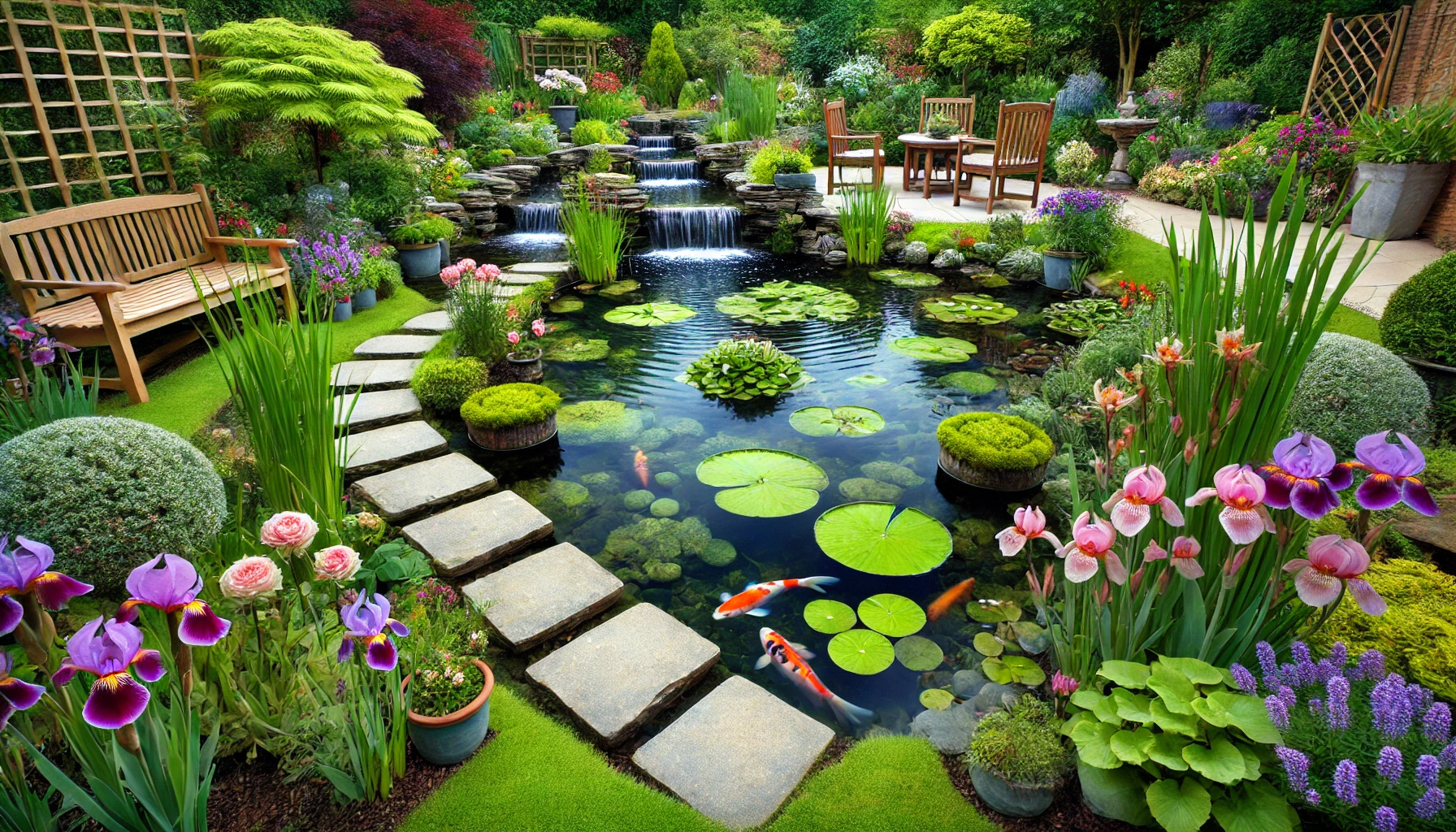
Imagine stepping into your garden and being greeted not just by color and scent, but by the serene sound of trickling water, the graceful dance of aquatic plants, and the flash of a fish’s tail in a sun-dappled pool. This isn’t a distant dream; it’s the attainable reality of a well-crafted water garden. More than just a pond, it’s a living, breathing ecosystem that becomes the heart of your outdoor sanctuary. Mastering the fundamentals of water garden design and care is the key to transforming a simple outdoor space into a dynamic, tranquil retreat that engages all the senses and supports a thriving micro-habitat. A well-executed water garden is the ultimate enhancement, elevating your landscape from ordinary to extraordinary.
Foundational Choices: The Blueprint of Your Ecosystem
The success of your aquatic haven hinges on the initial planning and installation decisions. These choices form the literal and figurative foundation for everything that follows. Get this right, and you build a resilient system; get it wrong, and you’ll fight an endless battle for balance.
Type, Scale, and Style Selection
Your first decision defines the character of your entire project. Formal water gardens use geometric shapes—rectangles, circles, raised urns—and offer a clean, architectural feel, ideal for contemporary spaces. Naturalistic styles mimic nature with irregular, curving shorelines, blending seamlessly into existing landscapes. Scale is critical: a half-barrel container garden is a perfect start for a patio, while a dedicated koi pond demands significant space and depth. Define your primary purpose from the start: is it a reflective ornamental feature, a vibrant wildlife pond, or a specialized home for prized fish? This intent dictates every subsequent choice.
Location, Orientation, and Installation
Placement is a science. You need a site with 4 to 6 hours of sunlight daily to support most blooming aquatic plants like water lilies. Avoid low spots where runoff can flood the pond with chemicals, and position it well away from deciduous trees to minimize leaf litter. Ensure the location is level; an uneven pond rim is impossible to hide. The installation process is non-negotiable: excavate to the correct depths for different plant zones, remove every sharp stone, and use a protective underlayment beneath your liner. This meticulous groundwork prevents leaks and failures for years to come.
Material and Component Breakdown
Your water garden’s longevity and ease of care depend on the quality of its core components. Understand the trade-offs to make an informed choice.
| Component Category | Options | Key Characteristics |
|---|---|---|
| Liner/Structure | Pre-formed Shell, Flexible PVC/EPDM Liner, Concrete |
Pre-formed: Easy to install, limited to preset shapes and sizes. Can be prone to cracking. Flexible Liner: Offers ultimate design freedom and durability (EPDM rubber lasts decades). Requires careful installation to avoid folds and punctures. Concrete: Permanent and extremely sturdy. Requires professional installation, proper curing, and can be costly to repair if cracked. |
| Filtration | Mechanical Filter, Biological Filter, Bog Filter, UV Clarifier |
Mechanical: (Sponges, brushes) Removes physical debris. Must be cleaned regularly. Biological: (Chambers with media) Harbors beneficial bacteria that convert toxic ammonia and nitrite. The essential filter for any pond with fish. Bog Filter: A planted gravel bed that acts as a natural, low-maintenance biological filter. Highly effective and attractive. UV Clarifier: A supplemental tool that zaps free-floating algae, clearing green water. Does not replace biological filtration. |
| Pump & Circulation | Submersible Pump, External Pump, Solar Pump |
Submersible: Easy to install and hide, best for small to medium ponds and features. Ensure it’s rated for the total gallonage with your waterfall’s height. External: More powerful and energy-efficient for large ponds. Placed outside the water, easier to service but requires concealed plumbing. Solar: An eco-friendly option for small fountains or spitters. Performance is directly tied to sunlight availability. |
The Core System: Balancing the Aquatic Environment
A water garden is not a static decoration; it’s a dynamic biological system you manage. Mastery comes from actively controlling its core parameters to achieve crystal-clear water and vibrant health.
Water Quality & Chemistry: The Invisible Foundation
Clear water is a symptom of health, but balanced chemistry is the cause. You must understand the Nitrogen Cycle: fish waste produces ammonia, which beneficial bacteria convert to nitrite, then to less harmful nitrate, which plants consume. Use a liquid test kit weekly to monitor pH (aim for 7.0-8.0), ammonia, and nitrite (both must be zero). If levels spike, perform a 10-20% partial water change with dechlorinated water and add a beneficial bacteria supplement. Ignoring this is the fastest way to stress or kill fish.
Circulation & Aeration: The Lifeline of the Pond
Stagnant water is a death sentence. Poor circulation leads to algae blooms, mosquito breeding, and lethal low-oxygen conditions. Your pump should circulate the entire pond’s volume at least once every two hours. For a 1,000-gallon pond, you need a minimum 500 GPH pump. Enhance this with a waterfall, fountain, or a dedicated aerator—the splashing and bubbling dramatically increase oxygen exchange, which is vital for fish and bacteria, especially on hot summer nights.
Temperature & Seasonal Management
Depth is your thermal buffer. A pond deeper than 24 inches will avoid freezing solid in winter and overheating in summer. In summer, use floating plants like water hyacinth to provide shade and cool the water. In winter, your single most important task is to maintain a small opening in the ice using a pond de-icer. This hole allows toxic gases (from decomposing waste) to escape and oxygen to enter. Never break the ice with force, as the shockwaves can harm fish.
Advanced Practices: The Art of Aquatic Cultivation
With a balanced environment, your focus shifts from maintenance to artistry. This is where you cultivate beauty and life, turning your water garden into a personalized masterpiece.
Planting Strategy & Zonation: The Four Layers of Life
Think of your pond in vertical zones, each with a specific role. Marginal/Bog Plants (like Iris, Cattails, and Sweet Flag) grow in shallow water at the edges. They provide vertical interest, hide liner edges, and their roots offer excellent natural filtration. Deep-Water Plants, primarily Water Lilies and Lotus, are the stars. Their roots are in deep pots, while leaves and flowers float on the surface, providing crucial shade that inhibits algae. Submerged Plants (Oxygenators) like Anacharis and Hornwort are the unseen workhorses. They absorb excess nutrients directly from the water and release oxygen. Floating Plants like Water Lettuce and Duckweed are rapid nutrient sponges, multiplying quickly to provide shade. Aim to cover 60-70% of the water’s surface with plants for a balanced ecosystem.
Introducing and Caring for Fauna
Fish are the dynamic element. Start hardy: common goldfish and shubunkins are forgiving. Fancy goldfish are more delicate. Koi are magnificent but require expert-level care, superior filtration, and deep, large ponds. A universal rule: stock lightly. A common guideline is one inch of fish per ten gallons of water, accounting for adult size. Feed a high-quality diet sparingly—only what they can consume in two minutes. Always quarantine new fish in a separate tank for two weeks before introducing them to your main pond to prevent disease outbreaks.
Hardscaping & Finishing Touches
The final step is integration. Use local stone and gravel to create a naturalistic transition from pond to garden. Overhang liner edges with stone, and fill the shallow perimeter with pea gravel. Install low-voltage LED lighting—submersible lights to illuminate waterfalls, and spotlights to showcase specimen plants. This transforms your water garden into a captivating nighttime feature, extending its enjoyment well into the evening.
Threat Management: Proactive Problem Solving
Adopt the mindset of a guardian, not a firefighter. The best solutions are preventative, woven into the very design and routine of your water garden.
The First Line of Defense: Prevention
Your primary weapons are proper filtration, plant coverage, and restraint. A filter sized for your pond’s gallonage and fish load is non-negotiable. Achieving 60-70% plant surface coverage starves out algae by consuming nutrients and blocking light. Never overfeed fish; uneaten food decays and fuels problems. In autumn, deploy a net over the pond to catch falling leaves before they sink and decompose, polluting the water.
Identification and Tiered Intervention
When issues arise, respond methodically. For Green Water (suspended algae), the cause is excess nutrients and sunlight. First, increase your submerged and floating plants. Second, ensure your biological filter is mature and clean. As a third-line solution, install a UV clarifier. For String Algae, manually remove as much as possible by twirling it on a stick. Add barley straw extract, which releases compounds that inhibit growth. Finally, re-evaluate your feeding and fertilization habits. Against Predators like herons, provide physical protection. Create fish caves from stacked stone or use PVC pipe hides on the pond bottom. Ensure part of your pond is at least 3 feet deep, as herons prefer to wade.
The Action Plan: A Seasonal Water Garden Calendar
Sync your care with the rhythm of the seasons. This calendar ensures you’re always one step ahead, protecting your investment and maximizing enjoyment.
| Season | Primary Tasks | What to Focus On |
|---|---|---|
| Spring |
|
Awakening & Reset. This is your annual system restart. Focus on cleaning, plant maintenance, and correcting any imbalances from winter dormancy. |
| Summer |
|
Maintenance & Enjoyment. The system is in full swing. Your role is gentle stewardship—maintaining balance, controlling vigorous growth, and, most importantly, relaxing beside your thriving oasis. |
| Fall |
|
Preparation for Dormancy. This is critical protective work. The goal is to remove organic matter and prepare the pond for a quiet, clean winter, shielding it from leaf debris and decay. |
| Winter |
|
Protection & Monitoring. Your intervention is minimal but vital. Focus solely on maintaining that open hole for gas exchange and ensuring your equipment is protected from extreme cold. Let the pond rest. |
A thriving water garden stands as a testament to the beautiful balance between artful design and scientific management. The journey begins with a thoughtful blueprint and meticulous construction, evolves through the daily rhythm of water testing and plant care, and culminates in the profound satisfaction of nurturing a self-sustaining ecosystem. The initial vision is now your reality. Your water garden is no longer just an enhancement; it is a personal sanctuary of sound and movement, a hub of captivating biodiversity, and a source of unparalleled, ever-changing beauty that enriches your daily life and forges a deep, lasting connection to the natural world right outside your door.