Introduction: Why Go Vertical?
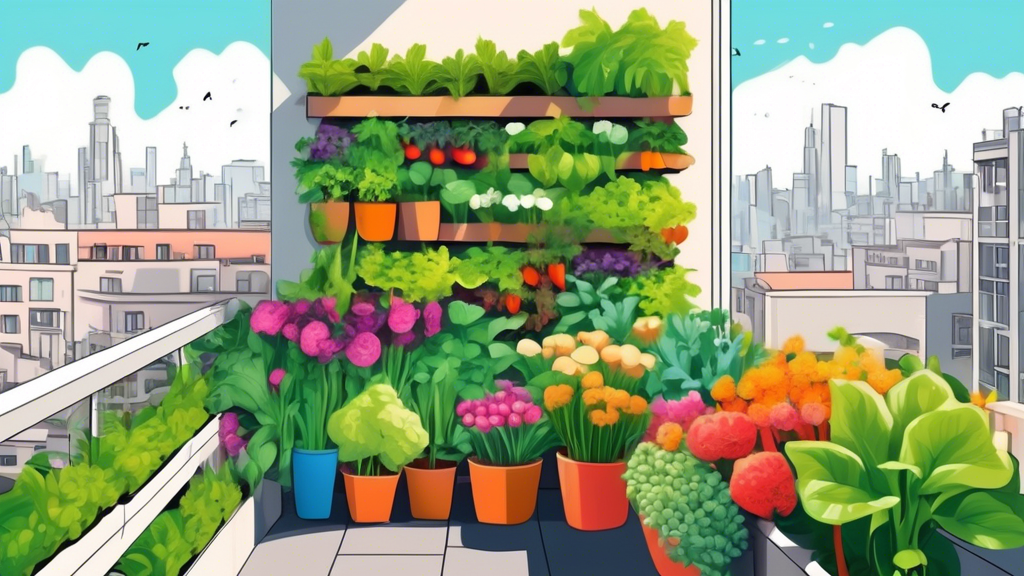
Unlock the potential of every square inch of your living space. Vertical gardening is the revolutionary approach for urban balconies, compact patios, and small yards, transforming blank walls and unused corners into lush, productive areas. Beyond maximizing space, these systems offer aesthetic appeal as living art pieces, can act as natural privacy screens, and make harvesting your own food surprisingly ergonomic. This comprehensive guide to vertical gardening systems will walk you through everything you need to know to get started.
Understanding Your Vertical Gardening System Options
Choosing the right structure is the first step to a thriving vertical garden. Each system offers unique advantages tailored to different environments and gardening goals.
Freestanding Vertical Systems
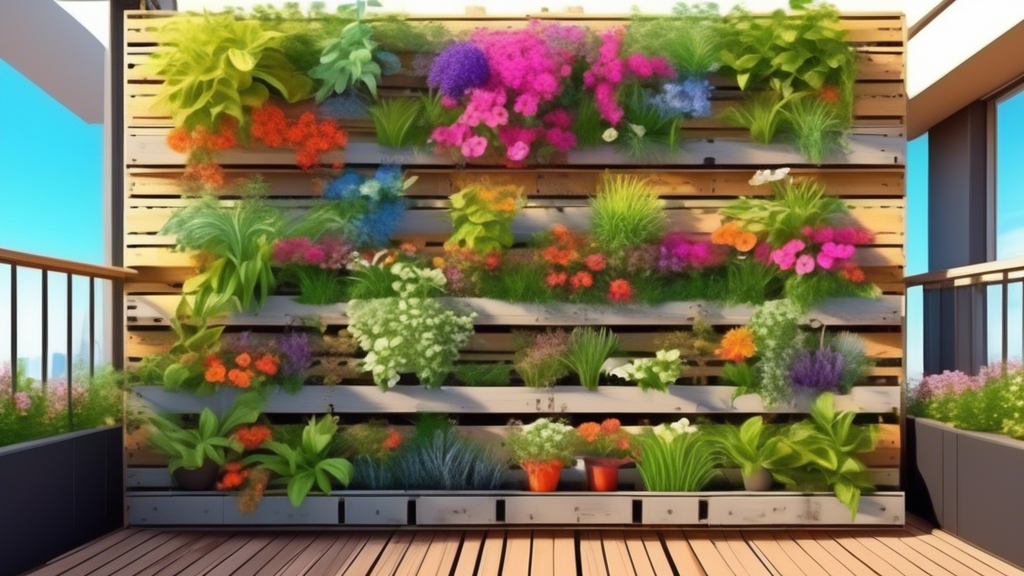
These are the go-to for flexibility. Tiered or stacking planters, classic trellises, and upcycled pallet gardens offer stability without permanent installation. They are perfect for renters or anyone who likes to rearrange their outdoor space with the seasons.
Wall-Mounted Vertical Systems
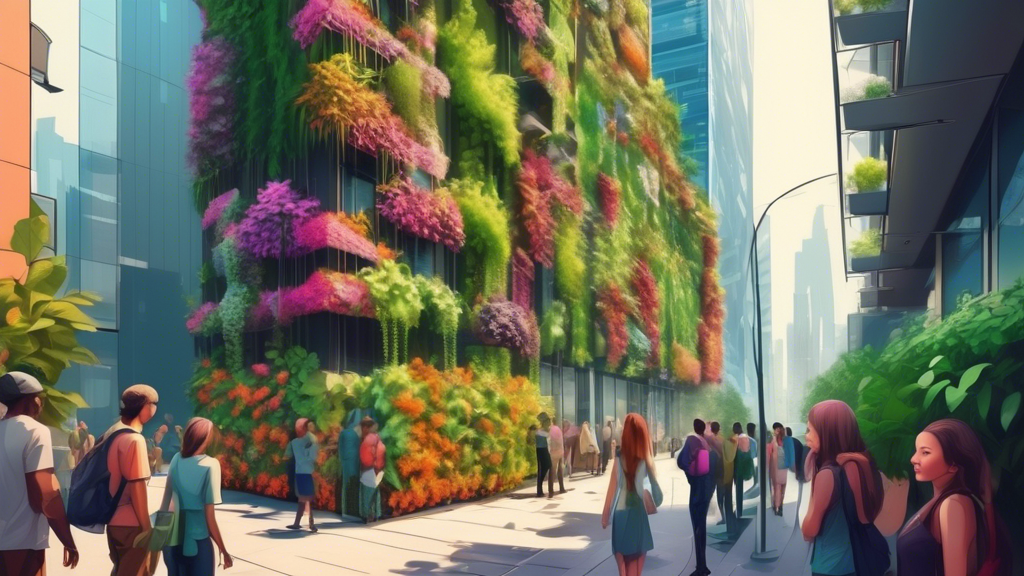
Turn any wall into a vibrant tapestry of life. From simple pocket planters made of felt to sophisticated modular panel systems for creating true green walls, these solutions are ideal for covering unsightly fences or adding a dramatic focal point to your home’s exterior or interior.
Hanging and Suspended Systems
Look up! This category utilizes often-overlooked overhead space. Hanging baskets, repurposed gutter gardens, and even upside-down planters are excellent for growing trailing herbs, strawberries, and a cascade of colorful flowers.
Tower Gardens (Hydroponic/Aeroponic)
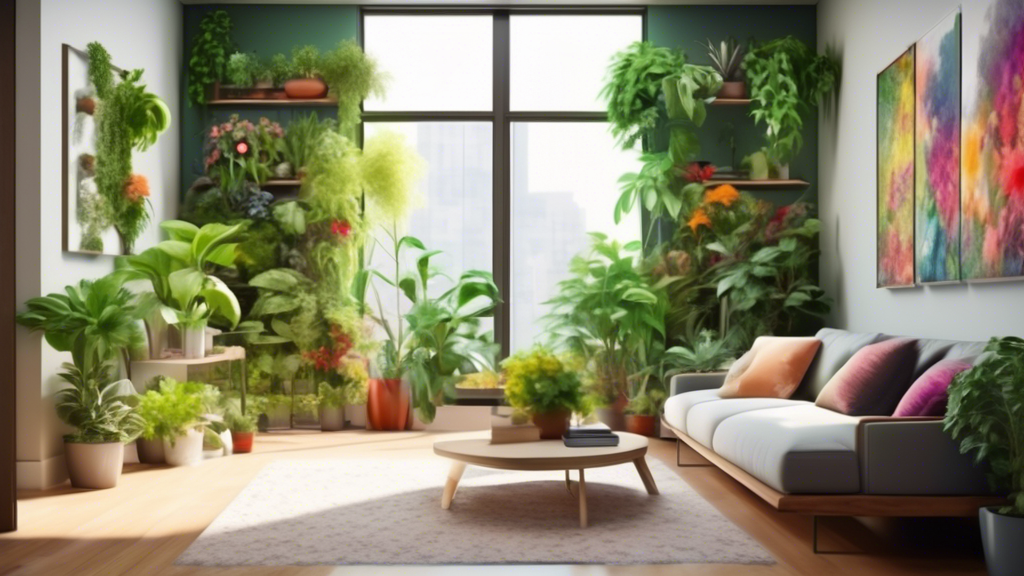
Embrace the future of gardening with soilless tower systems. These closed-loop, hydroponic or aeroponic setups circulate water and nutrients directly to plant roots. They are the ultimate solution for tech-savvy gardeners seeking maximum yield in a minimal footprint, even enabling year-round indoor cultivation.
Overcoming Gardening Challenges
While revolutionary, vertical gardening comes with its own set of hurdles. Here’s how to tackle the most common issues head-on.
Addressing Uneven Watering and Dryness
Gravity pulls water downward, often leaving upper planters parched. Combat this with self-watering planters, simple drip irrigation kits, and soil mixes rich in coconut coir or peat moss for better water retention.
Unique Insight: Try the “Taco Test” for fabric pots. Pinch the fabric; if it feels stiff and folds crisply like a dry taco shell, it’s time to water. If it’s pliable and damp, your plants are happy.
Preventing Soil Erosion and Nutrient Depletion
Frequent watering can wash away vital soil and nutrients. Always use a high-quality, well-draining potting mix—never dense garden soil—and commit to a regular feeding schedule with slow-release granules or liquid fertilizers.
Unique Insight: Brew a homemade “nutrient tea” by steeping a sack of compost in a bucket of water for 24-48 hours. Use this to water your garden for a gentle, organic nutrient boost that supercharges plant health.
Ensuring Structural Weight and Safety
A waterlogged soil wall is heavy. Always secure wall-mounted systems into wall studs using heavy-duty anchors rated for the load. For large projects, consider consulting a professional to ensure your wall can handle the weight.
Working With Limited Root Space
Not all plants are suited for shallow planters. The key is “Right-Planting”—matching the plant’s root structure to the container’s depth. Leafy greens and herbs are perfect for compact spaces, while deep-rooted tomatoes need more room.
Vertical Gardening System Showdown: A Comparative Guide
This quick-reference table helps you compare the most popular systems at a glance to find your perfect match.
| System Type | Best For | Cost | Maintenance Level | Ideal Plants |
|---|---|---|---|---|
| Freestanding | Beginners, Renters | $ – $$ | Low | Lettuce, Herbs, Strawberries |
| Wall-Mounted | Aesthetic Walls, Small Spaces | $$ – $$$ | Medium-High | Succulents, Herbs, Leafy Greens |
| Hanging | Decks, Overhead Space | $ | Medium | Cherry Tomatoes, Peppers, Trailing Flowers |
| Tower Gardens | High Yield, Tech Lovers | $$$ | Low (after setup) | Lettuce, Kale, Basil, Strawberries |
What to Plant in Your Vertical Garden: From Top to Bottom
Strategically placing plants based on their light needs and growth habits ensures every level of your garden thrives.
Top & Sun-Loving Areas
The highest points receive the most light. This is the prime real estate for sun-worshippers like cherry tomatoes, peppers, strawberries, and woody herbs like rosemary.
Middle & Partial Shade
This zone gets dappled light. It’s perfect for leafy greens that might bolt in full sun, such as lettuce, kale, and spinach, as well as herbs like mint and parsley.
Bottom & Shaded Areas
The base of the structure is often in shade. Use this space for ornamental shade-lovers like ferns and begonias, or allow creeping plants like sweet potato vine to spill over and soften the edges.
Frequently Asked Questions About Vertical Gardening Systems
What is the most low-maintenance vertical gardening system?
Freestanding stackable planters with built-in reservoirs or automated hydroponic tower systems are typically the most low-maintenance. They provide stability and significantly reduce the frequency of watering.
Can I grow root vegetables like carrots or potatoes vertically?
It’s challenging for traditional deep-rooting varieties, but not impossible! Look for shallow-rooted carrot types like ‘Parisian Market’ or use specially designed stacked potato grow bags that allow you to “hill” the soil upwards as the plants grow.
How do I protect my vertical garden from pests?
The vertical plane can be an advantage. Encourage beneficial insects like ladybugs and lacewings, use a strong jet of water to knock pests like aphids off leaves, and practice companion planting. Interestingly, having plants off the ground can sometimes make them less accessible to slugs and snails.
Is a vertical garden more expensive than a traditional garden?
The initial investment in a commercial system can be higher. However, you save significantly in the long run by using less water, less soil, and by maximizing your yield per square foot. Countless DIY options using pallets or gutters can make it an incredibly budget-friendly project.
Conclusion: Reaching New Heights in Your Garden
Embarking on your vertical gardening journey opens up a world of creative and efficient growing. By selecting the system that fits your space, proactively managing water and nutrients, and choosing the right plants, you can transform any area into a productive and beautiful oasis. Start small, experiment with different ideas, and enjoy the unique satisfaction of watching your garden grow up!