Why Autumn Gardening is Your Secret Weapon for a Thriving Yard
The Overlooked Benefits: Going Beyond Spring Planting
Many gardeners feel a sense of loss as summer ends, watching their vibrant gardens fade. The common lament, “My garden looks sad and dies after summer,” stems from a misconception that the growing season is over. In reality, autumn offers a superior planting window. The cooler air temperatures significantly reduce heat stress on plants, meaning they require less frequent watering and can focus their energy on root establishment rather than surviving scorching days. Furthermore, the soil retains warmth from the summer sun, creating the perfect incubator for strong, deep root systems to develop before the winter freeze sets in. An added, often unnoticed, advantage is the dramatic drop in pest and disease activity, giving your new plants a peaceful, unharmed start.
Common Autumn Gardening Mistakes to Avoid
The feeling of “I don’t know what to do, so I do nothing” can be paralyzing, but inaction or the wrong action can be detrimental. One critical error is halting watering too early. Plants, especially newly planted ones and your lawn, still need consistent moisture until the ground freezes. Another common misstep is improper pruning. While cutting back some perennials is good, pruning certain shrubs can stimulate a flush of new, tender growth that will be killed by the first frost. Perhaps the most counter-intuitive mistake is being too tidy. Raking and bagging every single leaf robs your garden of a free, nutrient-rich mulch and destroys vital overwintering habitats for beneficial insects like butterflies and bees.
Your Essential Autumn Gardening To-Do List
Planting for Spring Glory: Bulbs, Perennials, and More
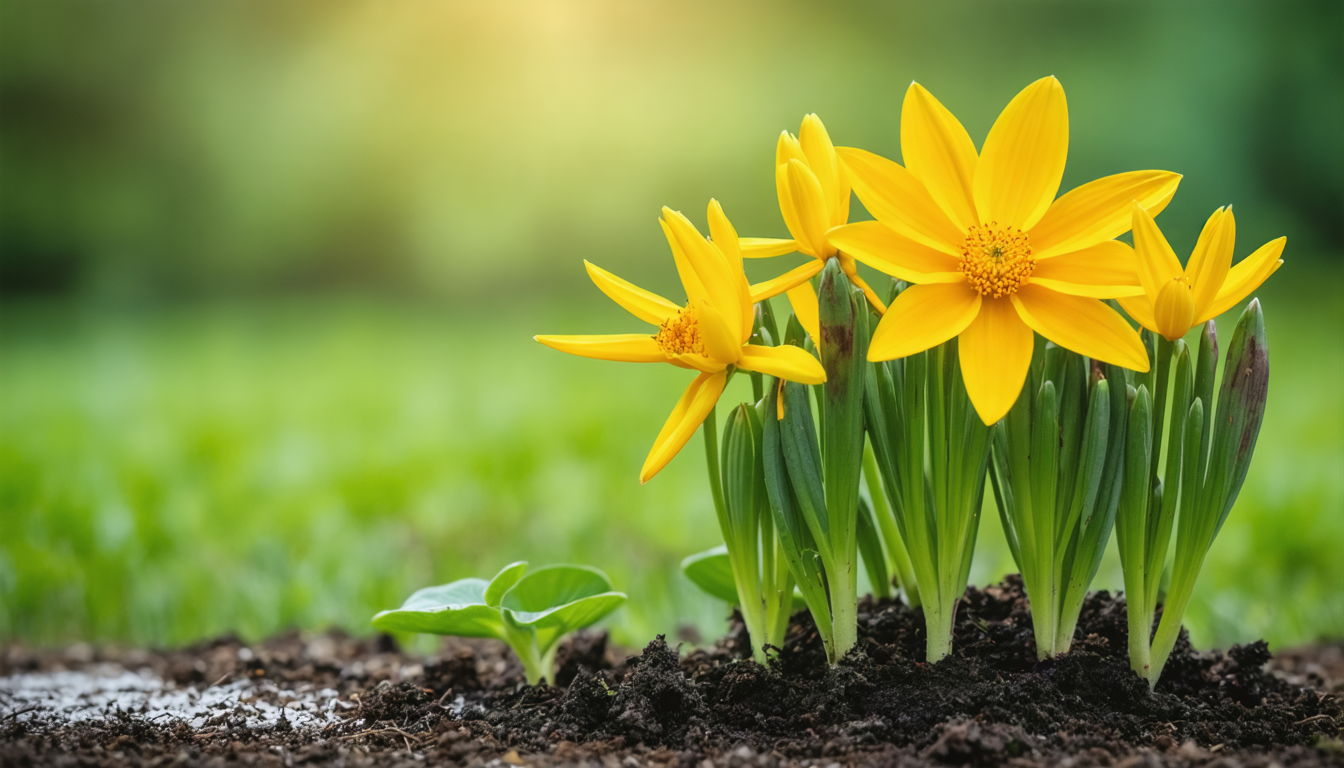
Autumn is the prime time to plant spring-flowering bulbs, hardy perennials, trees, and shrubs. A unique and highly effective technique is the “Lasagna Method” for bulb planting. This involves planting different types of bulbs at varying depths in the same container or garden bed, layering them like lasagna noodles. You plant late-blooming bulbs (like tulips) deepest, mid-season bulbs (like daffodils) in the middle, and early bloomers (like crocus) closest to the surface. This creates a single pot or patch that delivers a continuous, changing display of color from late winter through late spring.
This is also the best time to plant most trees and shrubs. The warm soil encourages root growth, allowing them to become well-established before the heat and drought stress of next summer.
Tending to Your Lawn: The Foundation of Your Garden
If your lawn is looking patchy and weak after the summer heat, autumn is your chance to revive it. Core aeration—pulling small plugs of soil from the lawn—alleviates compaction and allows air, water, and nutrients to reach the grass roots. Follow this immediately by overseeding with a high-quality grass seed mix to fill in bare spots and introduce more resilient grass varieties. Finally, apply a “winterizer” fertilizer. Unlike spring fertilizers high in nitrogen that push leaf growth, a winterizer is typically higher in potassium, which strengthens cell walls and enhances the grass’s hardiness against cold, disease, and drought.
Preparing Your Garden Beds for Winter’s Rest
Knowing what to cut back and what to leave standing is key. A simple guide:
| Cut Back | Leave Standing |
|---|---|
| Diseased or pest-ridden foliage (dispose of, don’t compost) | Plants with sturdy stems or seed heads (e.g., coneflowers, sedum) for winter interest and bird food |
| Hostas and other perennials that turn to mush | Ornamental grasses (tie up and cut back in early spring) |
After cleanup, add a layer of compost to replenish nutrients and then top with mulch. Doing this in autumn, not spring, protects plant roots from freeze-thaw cycles and allows the compost to slowly integrate into the soil.
Autumn Gardening Showstoppers: What to Grow Now
Vibrant Fall Color: Plants for Pops of Red, Orange, and Purple
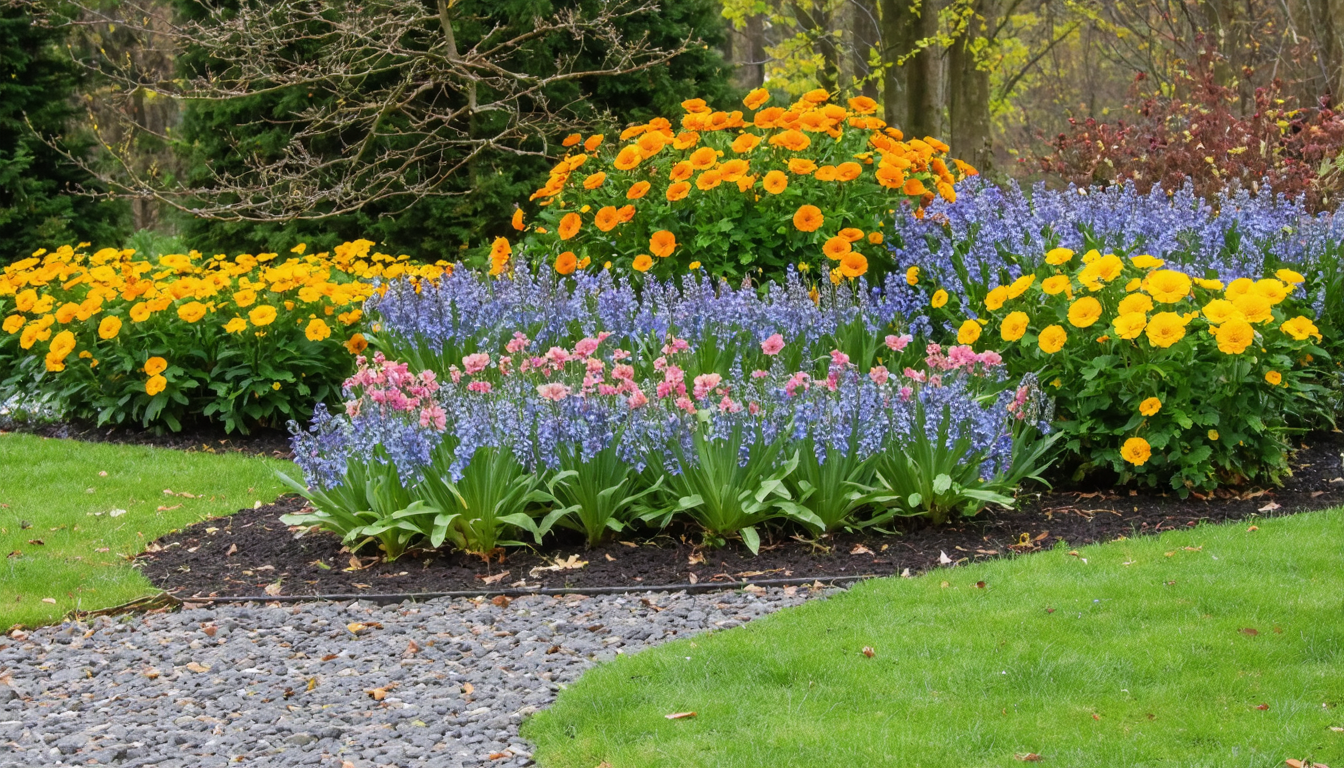
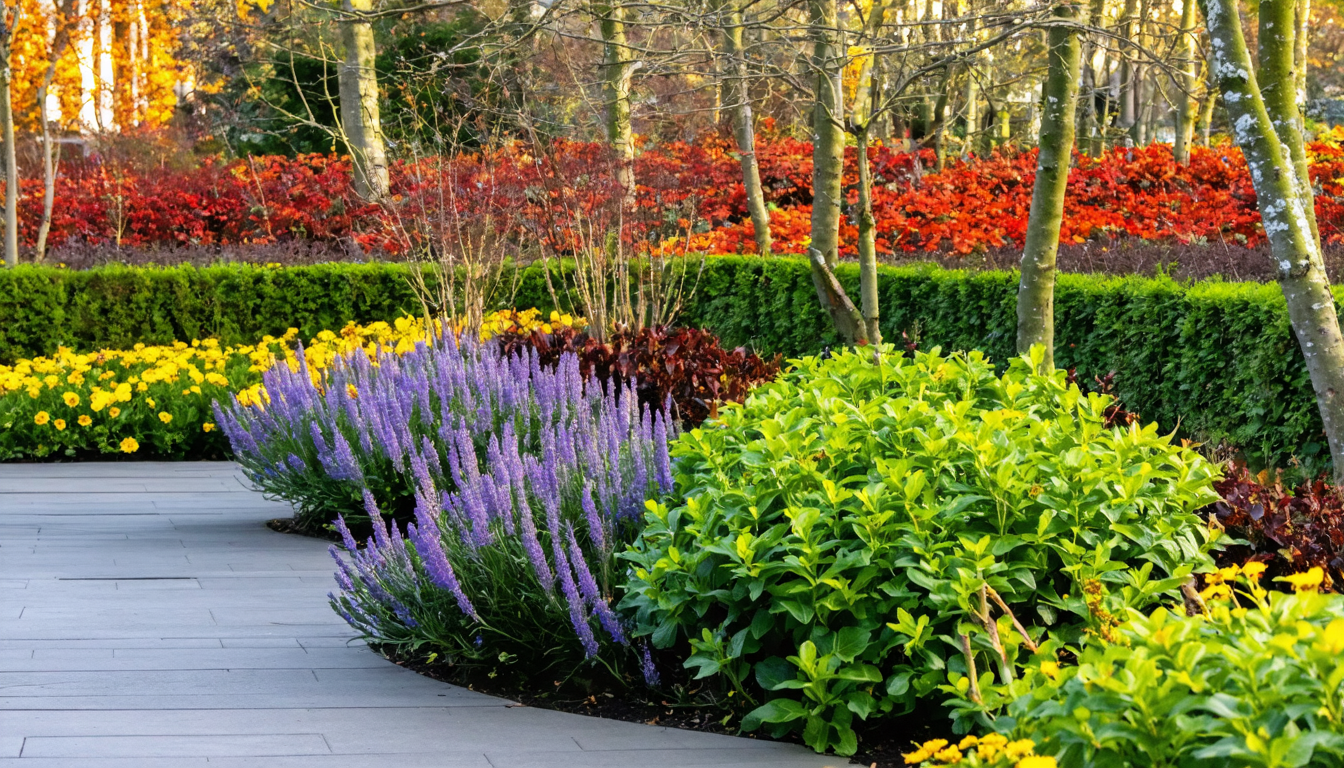
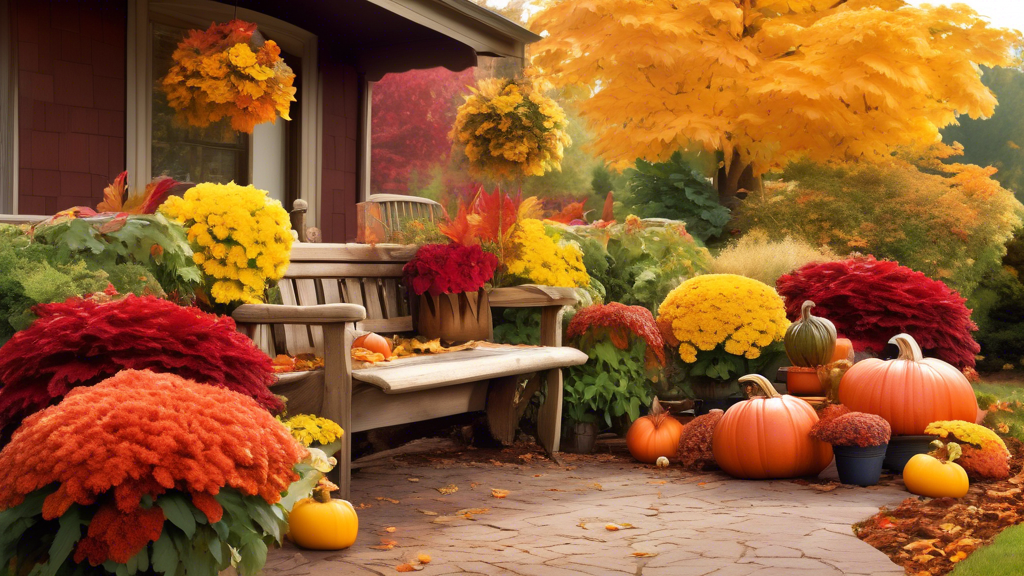
Don’t let the color fade! Ornamental kale and cabbage thrive in cool weather, their colors intensifying with each frost. Pansies are incredibly resilient and can often bloom through snow, bouncing back when temperatures moderate. Chrysanthemums are the classic autumn staple, available in a vast array of warm hues to fill containers and borders.
Don’t Stop Harvesting! Extending Your Vegetable Garden
Your vegetable garden doesn’t have to end with the first frost. Many crops are cold-hardy and actually improve in flavor after a light frost. The cold causes the plants to convert starches into sugars, acting as a natural antifreeze.
- Kale & Spinach: Become sweeter and can be harvested throughout winter under snow.
- Carrots & Parsnips: Can be left in the ground and harvested as needed; the cold sweetens them.
- Brussels Sprouts: A hard frost significantly reduces their bitterness, yielding a nuttier, sweeter flavor.
Extend your season even further by using simple season-extenders like cold frames or floating row covers to protect plants from harsh temperatures.
Autumn Gardening vs. Spring Gardening: A Side-by-Side Comparison
Soil and Weather Conditions
| Factor | Autumn | Spring |
|---|---|---|
| Soil Temperature | Warm from summer sun | Cool/Cold, slow to warm up |
| Air Temperature | Cool and consistent | Fluctuating, often unpredictable |
| Moisture | More consistent (cooler temps, less evaporation) | Often excessively wet from snowmelt and rain |
Pest and Weed Pressure
| Factor | Autumn | Spring |
|---|---|---|
| Insect Pests | Significantly lower; most are dying off or dormant. | High; populations explode as everything wakes up. |
| Weeds | Minimal; annual weeds are dying, perennials are slowing. | Very high; a flush of annual weeds germinates. |
Plant Focus and Goals
| Aspect | Autumn | Spring |
|---|---|---|
| Primary Goal | Root establishment, soil preparation, and planning for spring. | Rapid top growth, foliage, and flower production. |
| Planting Focus | Spring bulbs, perennials, trees, shrubs, cool-season veggies. | Annual flowers, warm-season vegetables (tomatoes, peppers), tender perennials. |
Autumn Gardening FAQs: Your Questions Answered
How late in the fall can I actually plant?
You can plant as long as the ground is workable, meaning it’s not frozen solid. A reliable rule of thumb is to get plants and bulbs in the ground at least 6 weeks before the ground typically freezes hard in your area. This gives them just enough time to establish some roots.
Should I fertilize my entire garden in the autumn?
Yes, but with a strategic approach. Focus on fertilizers that are higher in potassium (the third number on the fertilizer bag, e.g., 0-0-50), which promotes root development and winter hardiness. Avoid high-nitrogen fertilizers, as they encourage soft, new growth that is highly susceptible to frost damage.
Is it worth starting a compost pile in the autumn?
Absolutely! Autumn is the perfect time to start a compost pile. You have an abundance of “brown” carbon-rich materials (fallen leaves, shredded branches) and “green” nitrogen-rich materials (end-of-season vegetable plants, spent annuals). This ideal mix will decompose over the winter and be ready to enrich your garden by spring.
What is the one unique task most people forget in their autumn gardening routine?
Cleaning and oiling your garden tools before storing them for winter. After your last tasks, scrub tools with soapy water to remove soil and sap, then dry them thoroughly. Wipe metal surfaces with a light coat of oil (like mineral oil) to prevent rust, and rub wooden handles with linseed oil to keep them from drying and cracking. This simple, often-forgotten ritual prevents rust, keeps tools sharp, and makes your spring startup completely effortless—a true secret for a seamless and successful garden cycle.