Why Urban Gardening is Perfect for Apartment Living
The Benefits Beyond Beauty: Mental Wellness and Fresh Food
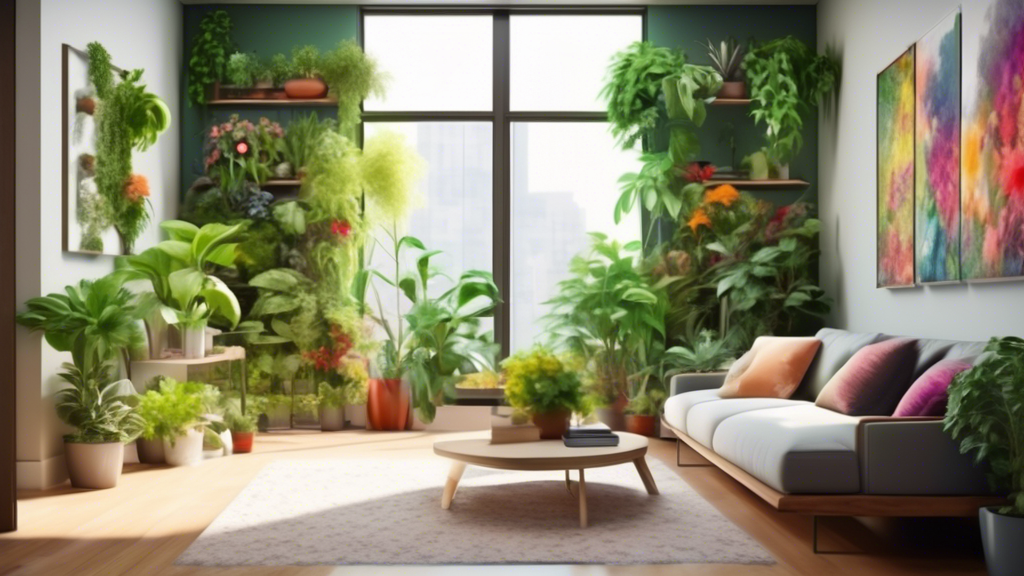
Urban gardening transforms your apartment into a personal oasis, offering more than just visual appeal. Studies have shown that tending to plants can significantly reduce stress and improve mental well-being. Furthermore, you gain access to the freshest possible herbs, greens, and even vegetables, free from pesticides and food miles. It’s a rewarding hobby that nourishes both mind and body.
Common Challenges for Apartment Gardeners (and How to Overcome Them)
Many aspiring gardeners hesitate, but every challenge has a creative solution.
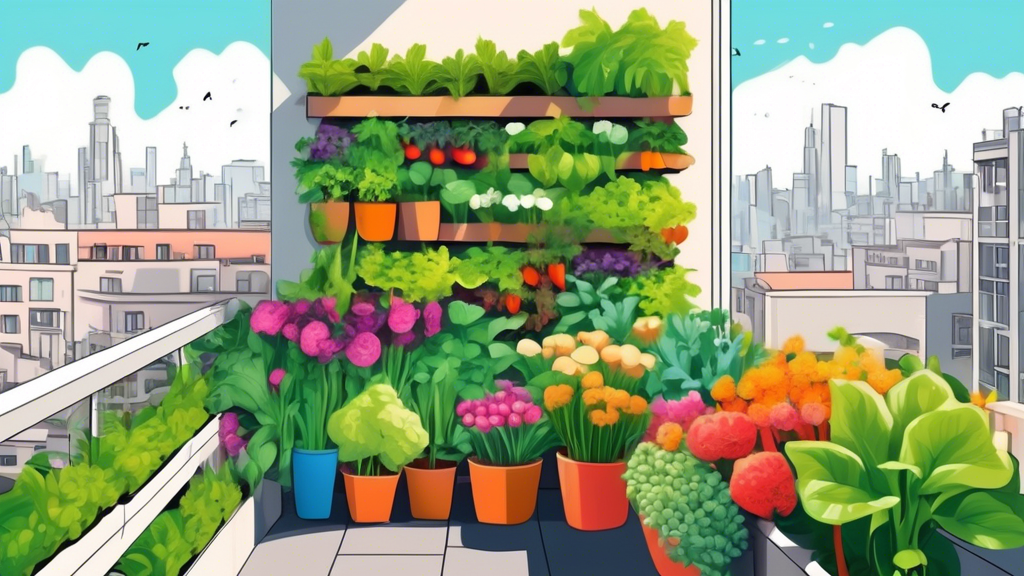
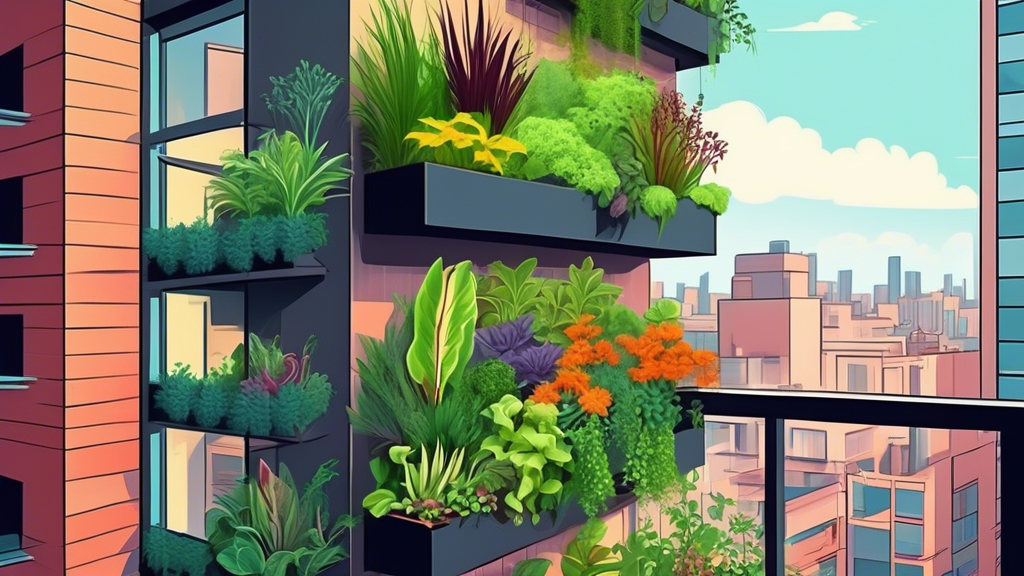
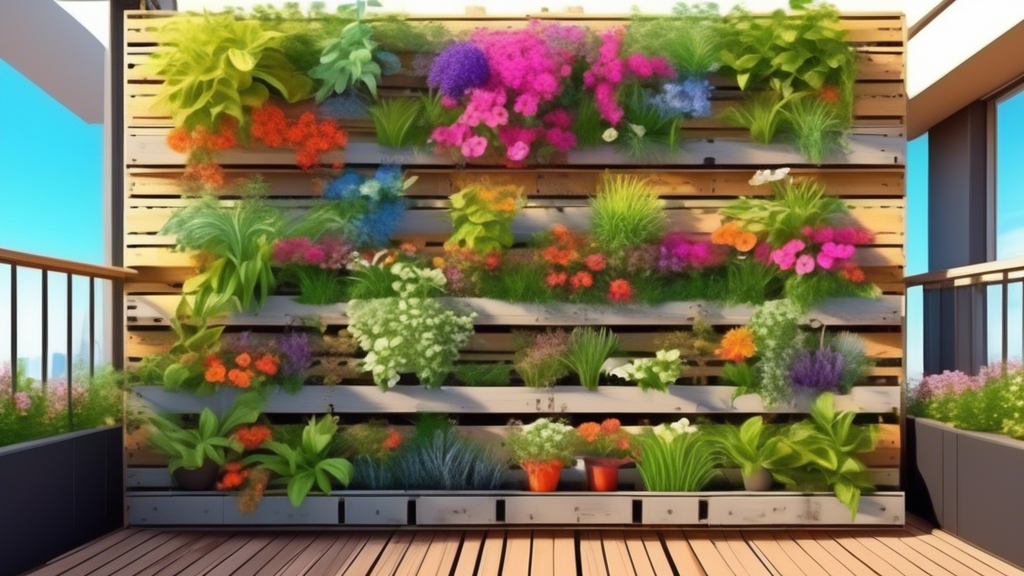
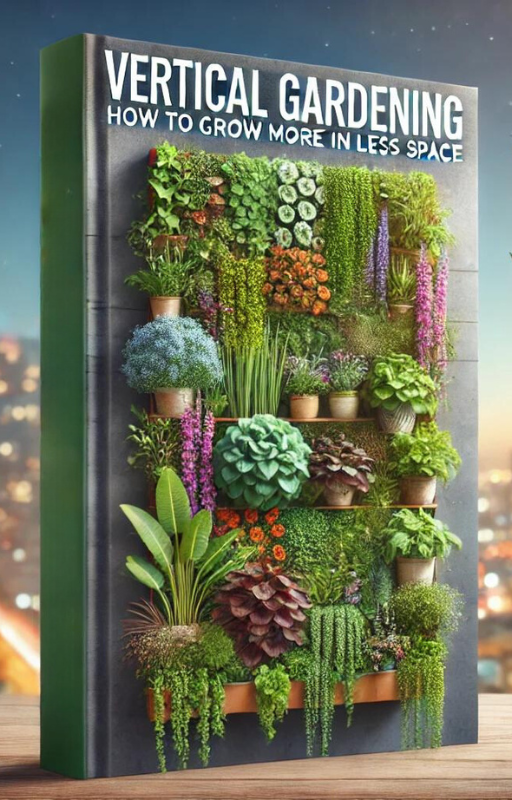
- Lack of Space: Think vertically! Utilize wall space with hanging planters, shelves, and trellises to grow upwards, not outwards.
- Limited or No Direct Sunlight: Not all plants are sun-worshippers. Many herbs and leafy greens, like mint and spinach, thrive in partial shade. You can also employ affordable full-spectrum grow lights to supplement natural light.
- Worries About Pests and Mess: Indoor gardening significantly reduces pest issues. For the occasional gnat, a small dish of apple cider vinegar covered with plastic wrap (with holes poked in it) works wonders. Using trays under your pots will contain any water or soil spillage.
- Fear of Killing Your Plants: Start with resilient, beginner-friendly plants like snake plants, pothos, or spider plants. They are forgiving and will build your confidence.
Essential Urban Gardening Tips for Apartment Dwellers
Maximizing Your Micro-Space: Smart Layouts
Efficiency is key in a small space. Here are the best ways to layout your mini-garden:
- Vertical Gardening: Install wall-mounted planters, use a hanging shoe organizer for herbs, or invest in a tall, tiered shelving unit.
- Windowsill Gardens: Don’t let this prime real estate go to waste. It’s the perfect spot for a long, shallow planter box for herbs or succulents.
- Tiered Plant Stands: These stands create visual depth and allow you to group plants with similar light needs together, making care more efficient.
Choosing the Right Plants for Your Apartment Environment
Selecting plants suited to your specific conditions is the most critical step for success.
| Light Condition | Best Herbs & Greens | Best Flowering Plants | Easiest “Un-Killable” Plants |
|---|---|---|---|
| Low Light | Mint, Parsley, Spinach, Microgreens | Peace Lily, African Violet | Snake Plant, ZZ Plant, Pothos |
| Bright/Indirect Light | Basil, Cilantro, Lettuce, Arugula | Orchid, Geranium, Begonia | Spider Plant, Chinese Evergreen, Cast Iron Plant |
| Direct Sun (South-facing window) | Rosemary, Thyme, Oregano, Cherry Tomatoes* | Succulents (e.g., Echeveria), Cacti, Kalanchoe | Aloe Vera, Jade Plant, String of Pearls |
*Requires a deep pot and sturdy support.
Container and Soil Secrets for Healthy Roots
What happens below the soil surface determines the health of the plant above it.
- Why Container Drainage is Non-Negotiable: Without a drainage hole, water pools at the bottom of the pot, leading to root rot—the #1 killer of houseplants. Always choose pots with holes.
- Selecting the Right Pot Size and Material: A pot should be 1-2 inches larger in diameter than the plant’s root ball. Terracotta is porous and helps soil dry evenly, while plastic and glazed ceramic retain moisture longer.
- The Best Potting Mix for Container Gardening: Never use soil from your garden. It’s too dense and can harbor pests and diseases. Use a high-quality, lightweight “potting mix” or “container mix” that contains peat moss, perlite, and vermiculite for optimal aeration and drainage.
Unique and Creative Apartment Gardening Hacks
The Kitchen Scrap Garden: Regrow Your Veggies from Scraps
Turn your food waste into a free garden! This is a fascinating and sustainable way to grow food.
- How to Regrow Green Onions, Lettuce, and Celery: Place the root ends (about 1-2 inches) of these vegetables in a jar with about an inch of water. Place it on a bright windowsill, change the water every other day, and you’ll see new green shoots in just a week. You can harvest them repeatedly!
DIY Self-Watering Planters for the Busy Dweller
Going away for a long weekend? Don’t let your plants suffer.
- A Simple Hack Using a Plastic Bottle: Take a clean plastic bottle and poke a small hole in the cap. Fill the bottle with water and quickly invert it into the soil of your potted plant. The water will slowly seep into the soil, providing consistent moisture for several days.
Balcony Gardening vs. Indoor-Only Gardening: A Quick Comparison
Pros and Cons of Balcony Gardening
| Pros | Cons |
|---|---|
| Access to more direct sunlight | Exposed to weather (wind, rain, extreme temps) |
| Can grow larger plants (e.g., tomatoes, peppers) | Potential for more pests from the outdoors |
| Contains mess and humidity outside the home | May have weight or aesthetic restrictions from landlords |
Pros and Cons of Indoor-Only Gardening
| Pros | Cons |
|---|---|
| Controlled environment (temperature, pests) | Limited by available light from windows |
| Year-round growing season | Requires more diligent watering and humidity control |
| Plants are part of your interior decor | Potential for water/soil mess inside the apartment |
Frequently Asked Questions (FAQs) for the Apartment Gardener
How often should I water my indoor plants?
There is no one-size-fits-all schedule. The best method is the “finger test.” Stick your finger about an inch into the soil. If it feels dry, it’s time to water. If it feels moist, wait a day or two and check again. Overwatering is a more common cause of death than underwatering.
What are the best natural ways to deal with pests indoors?
For common pests like aphids or spider mites, a simple spray made from 1 teaspoon of mild liquid soap (like Castile soap) mixed with 1 liter of water is very effective. Spray it directly on the pests. For fungus gnats, let the soil dry out more between waterings and use yellow sticky traps.
Can I grow vegetables without a balcony?
Absolutely! Many vegetables and herbs thrive indoors. Leafy greens like lettuce, kale, and spinach, along with herbs like basil, cilantro, and mint, can all be grown successfully in pots on a sunny windowsill or under a grow light. Dwarf varieties of tomatoes and peppers are also great options.
My apartment gets very little sun; what are my options?
You have several great options! Focus on low-light tolerant plants like snake plants, pothos, ZZ plants, peace lilies, and Chinese evergreens. For edibles, try growing microgreens or herbs like mint and parsley. Alternatively, you can invest in an affordable LED or fluorescent grow light to provide the necessary light spectrum for any plant to thrive.
Are there any specific urban gardening tips for apartment dwellers with pets to keep plants safe?
Yes, pet safety is paramount. Many common houseplants are toxic to cats and dogs. Always research a plant’s toxicity before bringing it home. Opt for pet-safe plants like spider plants, Boston ferns, African violets, and most succulents (like haworthia). To deter curious pets, you can use vertical spaces they can’t reach, place citrus peels in the pots (cats dislike the smell), or use a harmless bitter-apple spray on the leaves.