Why Your Garden is Thirsty: Understanding the Problem
The High Cost of a Thirsty Lawn
Many homeowners face skyrocketing water bills during the summer months, a direct result of maintaining a traditional, water-guzzling lawn. This is compounded by the burden of time-consuming daily watering routines that eat into your free time.
When Water Restrictions Hit Home
Mandatory water cutbacks can be disheartening, forcing you to watch your investment in plants and turf wither away. This often leads to stress and guilt over using a precious, scarce resource purely for aesthetic landscaping.
Soil That Works Against You
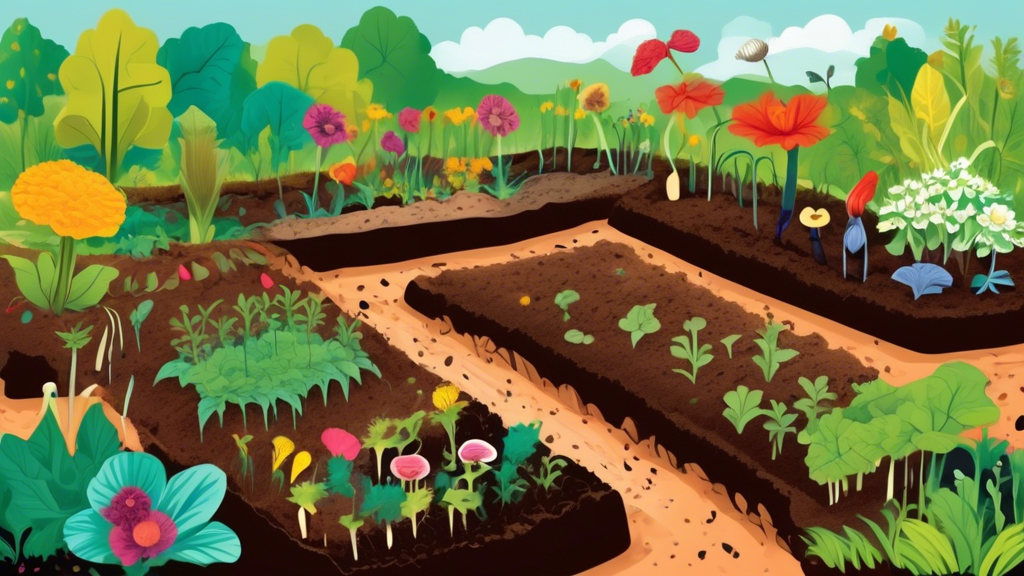
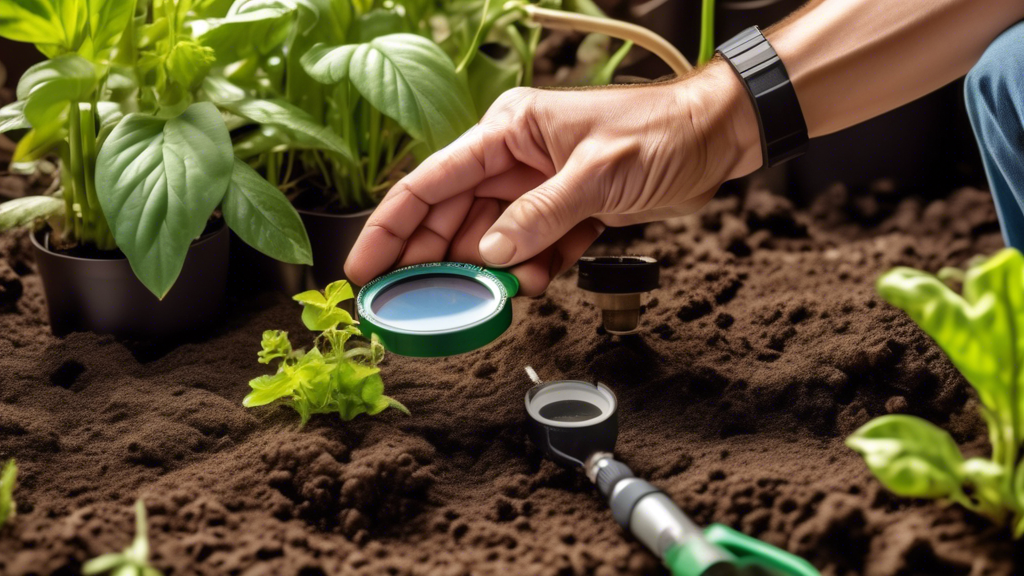
Poor soil quality is a silent garden killer. If water pools on the surface or runs off instead of soaking down to the roots, your plants are not getting the hydration they need. Compacted soil further exacerbates the problem by starving plant roots of both oxygen and moisture.
The Core Principles of Designing a Drought-Resistant Garden for Low-Water Environments
Right Plant, Right Place: It’s Not Just a Slogan
The foundation of a water-wise garden is strategic planning. This involves grouping plants with similar water needs together, a practice known as hydrozoning. It also requires a careful analysis of your yard’s unique conditions, including sun exposure, wind patterns, and microclimates.
Soil is the Secret Weapon: More Than Just Dirt
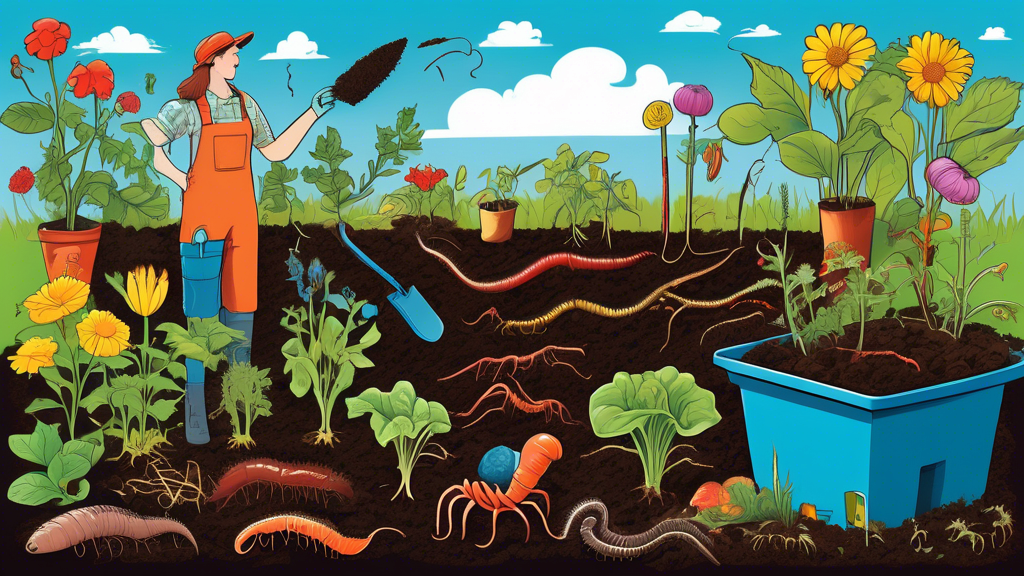
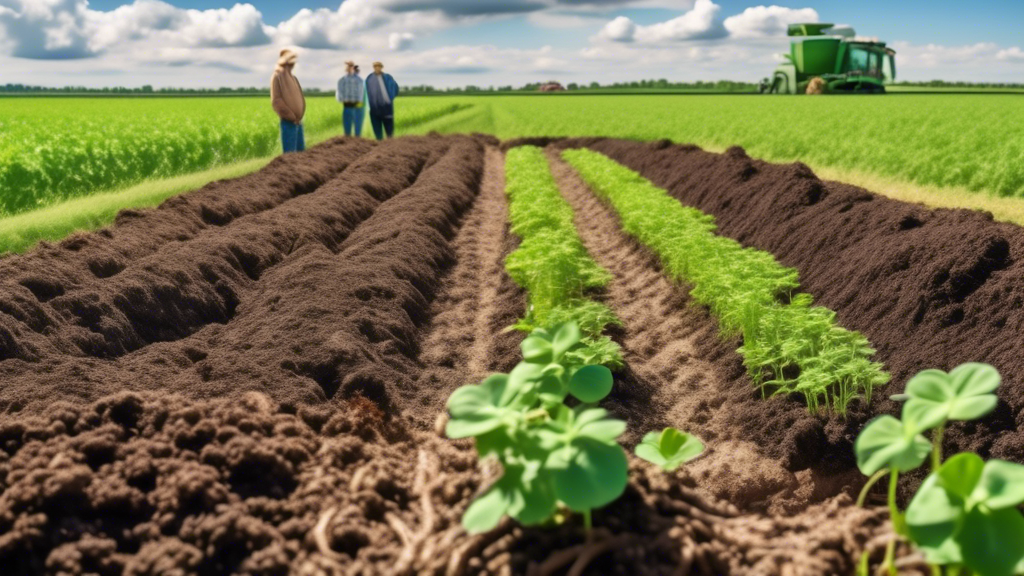
Healthy soil is the unsung hero of a drought-resistant garden. Amending your soil with organic compost is crucial for improving its water retention capabilities. A unique and powerful strategy is to introduce Mycorrhizal Fungi to your soil. These beneficial fungi form a symbiotic relationship with plant roots, creating a vast secondary root system that dramatically increases the plant’s ability to absorb water and nutrients from a much larger soil area, significantly boosting drought tolerance.
Mulch: Your Garden’s Best Blanket
A generous layer of mulch is a simple yet highly effective tool. A 2-3 inch layer conserves soil moisture by reducing evaporation, keeps soil temperatures stable, and suppresses water-competing weeds.
| Mulch Type | Best For | Pros | Cons |
|---|---|---|---|
| Shredded Bark / Wood Chips | Ornamental Beds, Trees | Improves soil as it decomposes, natural look | Needs replenishing every 1-2 years |
| Gravel / Stone | Succulent Gardens, Pathways | Long-lasting, excellent drainage | Doesn’t improve soil, can heat up in sun |
| Decomposed Granite | Modern Landscapes, Paths | Compacts well, natural minimalist look | Can become dusty |
Choosing Your Drought-Tolerant All-Stars
Native Plants: The Local Heroes
Native plants are the ideal choice as they are already genetically adapted to your local climate, soil, and rainfall patterns. They typically require less water, fewer fertilizers, and are more resistant to local pests and diseases. Examples include Lavender, Sage, California Poppy, and Yucca.
Beyond Cacti: Surprising and Beautiful Dry-Climate Plants
A drought-tolerant garden doesn’t mean a desert of only cacti. There is a wealth of beautiful plants that thrive with minimal water, offering color, texture, and fragrance.
- Ornamental Grasses: Fountain Grass, Blue Fescue
- Mediterranean Herbs: Rosemary, Thyme, Oregano
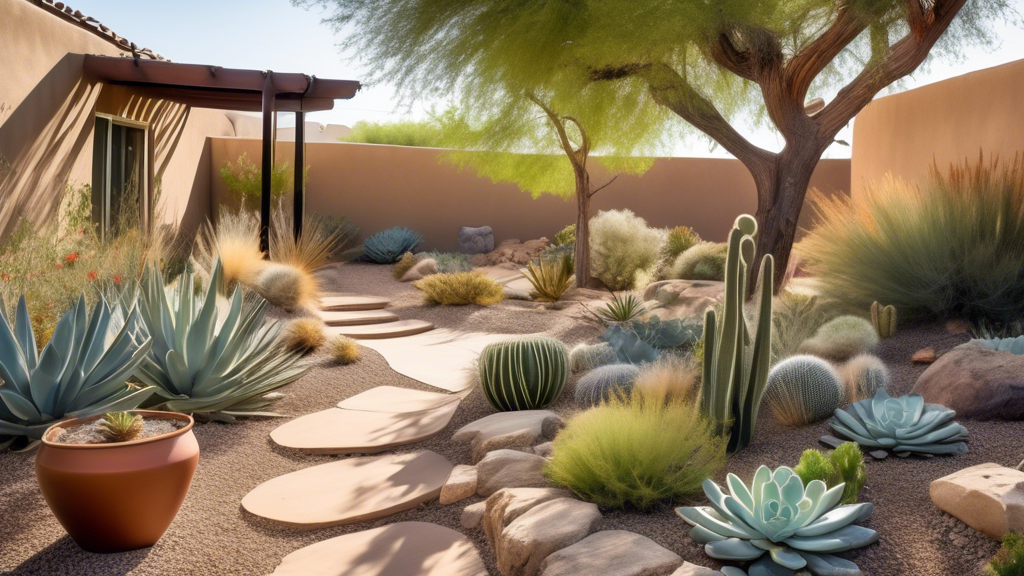
- Architectural Succulents: Agave, Sedum, Aloe
Lawn Alternatives for a Green(ish) Carpet
Replacing a traditional grass lawn is one of the most impactful changes you can make.
| Alternative | Characteristics | Foot Traffic Tolerance |
|---|---|---|
| Clover Lawn | Stays green, fixes nitrogen in soil, drought-tolerant | Moderate |
| Creeping Thyme | Fragrant, flowers, forms a dense mat | Light |
| No-Mow Fescue Blends | Turf-like appearance, very low water needs | Moderate to High |
Smart Irrigation: Watering Wisely, Not Wastefully
Ditch the Sprinkler: The Drip Irrigation Advantage
Traditional sprinklers are inefficient, losing significant water to evaporation and wind drift. A drip irrigation system delivers water slowly and directly to the base of each plant, ensuring that moisture goes exactly where it’s needed—the root zone.
| Feature | Traditional Sprinklers | Drip Irrigation |
|---|---|---|
| Efficiency | ~65-75% | ~90% |
| Water Loss | High (Evaporation, Runoff) | Minimal |
| Water Delivery | Foliage and surface | Direct to root zone |
The Timer is Your Friend: Automating for Efficiency
An automated timer is essential for consistency and efficiency. Watering in the early morning (before 10 AM) minimizes evaporation. For the ultimate in efficiency, consider a “smart” controller that uses local weather data to automatically adjust watering schedules.
Designing for Beauty and Function
Hardscaping: Adding Structure and Reducing Turf
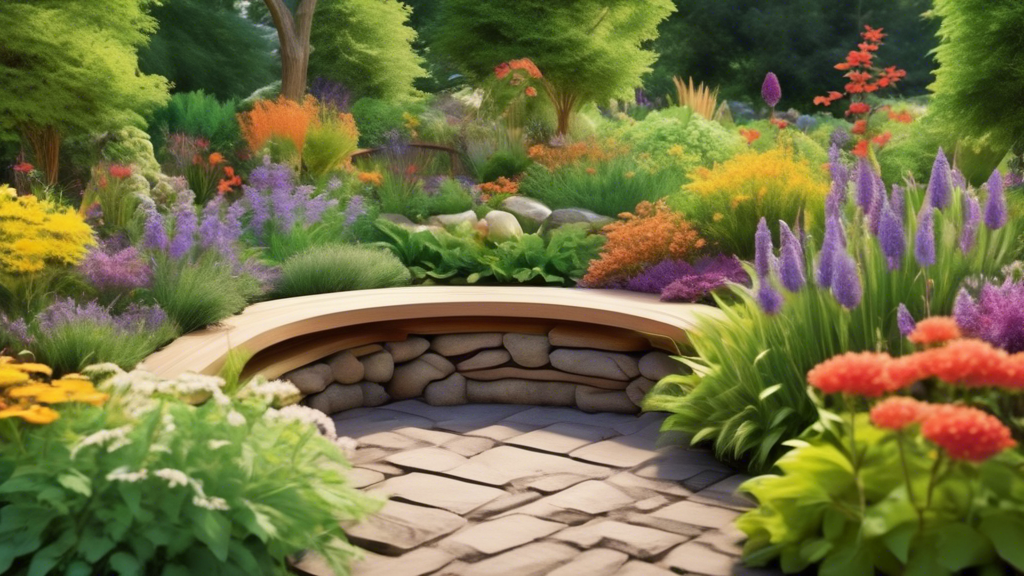
Incorporate non-plant elements like patios, decorative pathways, and gravel beds to add visual structure and texture to your garden. This “hardscaping” reduces the overall area that requires watering and maintenance.
Creating Focal Points
Draw the eye and create a sense of design by using a single, striking specimen plant (like a sculptural Agave or a beautiful tree) or an artistic element such as a large pot, a bench, or a piece of garden art.
Frequently Asked Questions (FAQs)
Will a drought-tolerant garden look brown and dead?
Absolutely not. This is a common misconception. With thoughtful plant selection, you can create a landscape bursting with color, varied textures, and year-round interest. The goal is to choose plants that are naturally beautiful and adapted to thrive with less water, not to simply settle for barrenness.
Is it more expensive to start a drought-resistant garden?
There can be some initial investment for items like soil amendments, a drip irrigation system, and certain perennial plants. However, this cost is quickly offset by the dramatic reduction in your water bills and the lower long-term maintenance costs, making it a financially savvy choice over time.
How long until my drought-resistant garden is established?
Even drought-tolerant plants need a helping hand to get started. Most require consistent, deep watering for the first one to two years to develop a strong, deep root system. Once this establishment period is over, they will become remarkably self-sufficient and require far less supplemental water.
Can I keep any of my existing plants?
Yes, a garden transformation doesn’t have to be an all-or-nothing process. You can certainly incorporate existing plants that you love into your new design. The key is to group them according to their water needs in their own hydrozone, so you aren’t over-watering drought-tolerant plants or under-watering thirstier ones.