Why Small-Space Organic Gardening is Your Secret Weapon
The Unique Benefits of Gardening in a Confined Area
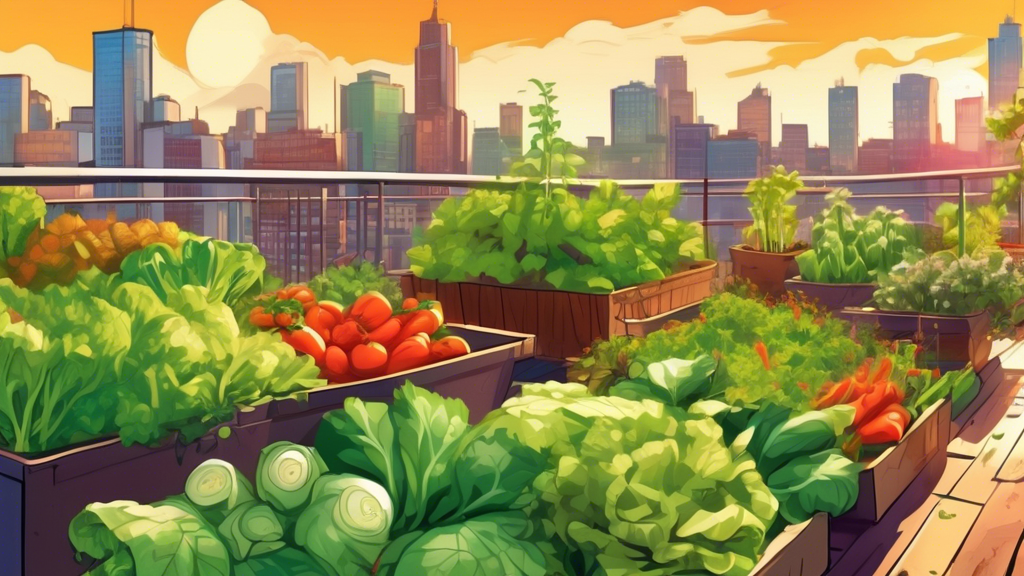
Small-space organic gardening offers distinct advantages that larger plots can’t match. With a confined area, you spend significantly less time on weeding and general maintenance, allowing you to focus on plant health and productivity. You have complete control over the soil composition and can create a perfectly balanced environment, making pest management more straightforward and effective. Ultimately, a small garden becomes a hyper-efficient, highly productive micro-ecosystem right at your fingertips.
Addressing Common Challenges in Compact Gardens
“I Don’t Have Enough Room!” – Creative Container and Vertical Solutions
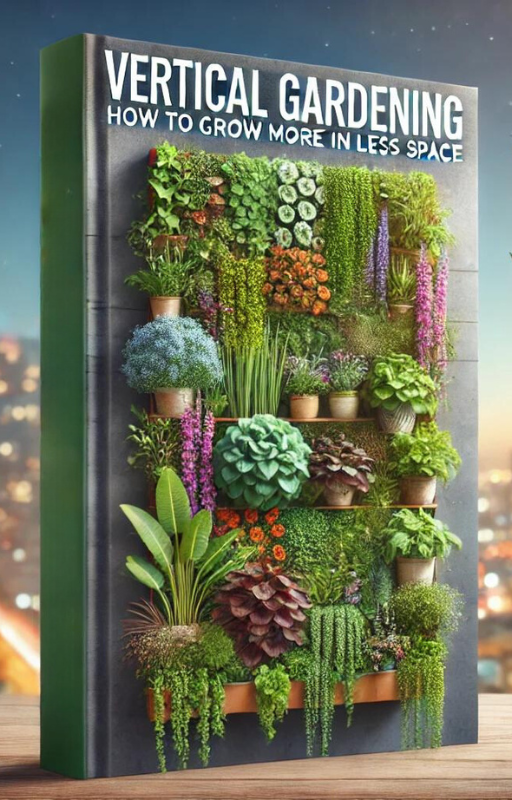
The perceived lack of space is the most common hurdle. The solution lies in thinking vertically and creatively. Move beyond traditional pots and explore hanging baskets, wall-mounted planters, railing boxes, and repurposed items like pallets or old gutters. Vertical gardening using trellises, towers, and tiered planters can multiply your growing area without increasing your footprint.
“The Soil is Poor and Plants Struggle” – Building Your Living Soil Foundation
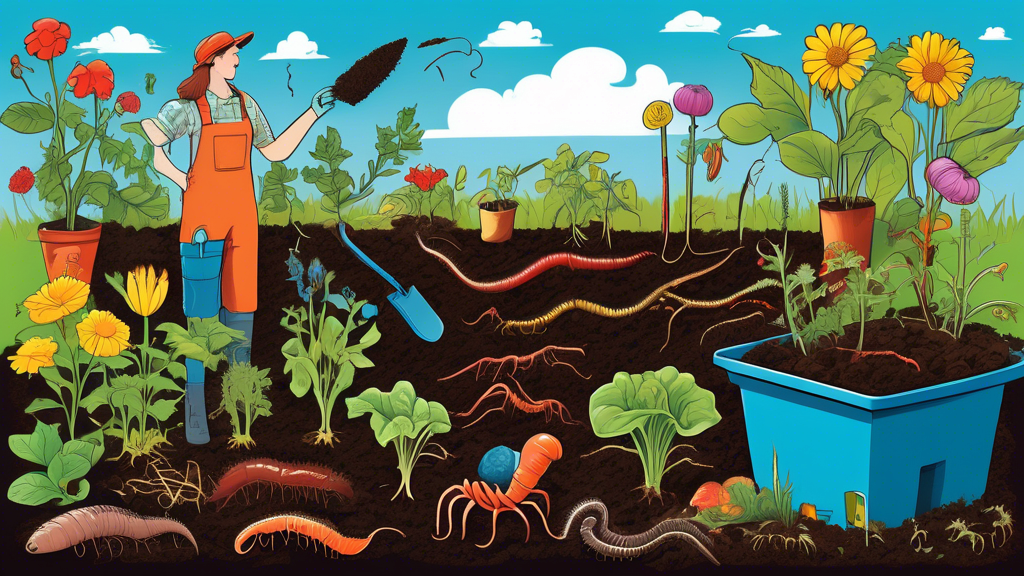
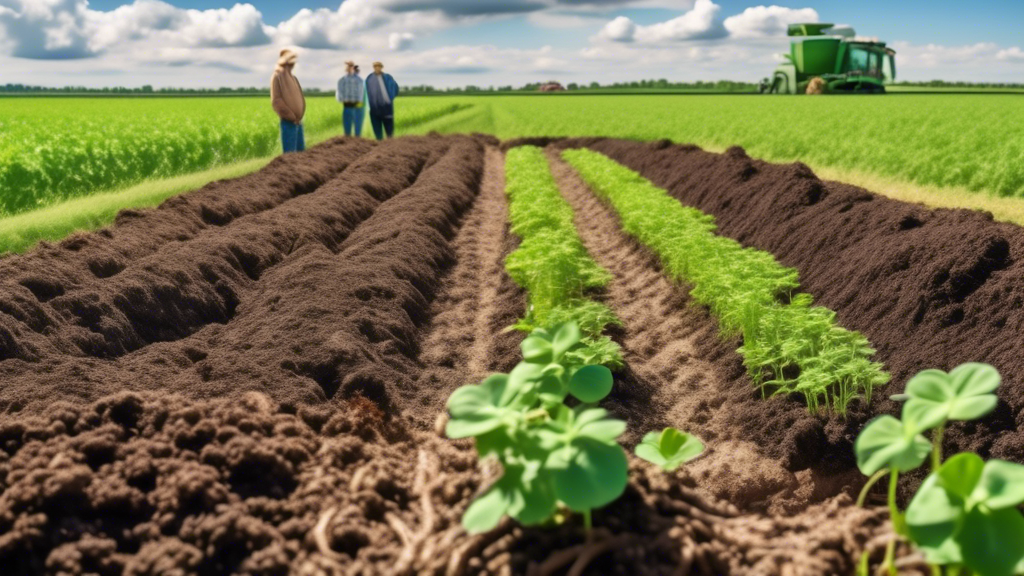
Healthy plants start with healthy soil, especially in containers. A critical rule for success is to never use native garden soil in pots, as it compacts and drains poorly. Instead, create a vibrant, living soil by mixing your own organic potting blend. A simple recipe includes:
- 1 part compost (for nutrients and microbial life)
- 1 part coconut coir (for moisture retention)
- 1 part perlite or vermiculite (for aeration and drainage)
“Pests Seem to Find My Plants Instantly” – Natural Pest Control in Close Quarters
In a dense planting, pests can be a pronounced issue. Combat them naturally by employing companion planting—growing basil with tomatoes to repel flies and mosquitoes, for example. For direct action, use DIY organic sprays like neem oil or insecticidal soap. You can also introduce beneficial insects, such as ladybugs or lacewings, which are voracious predators of common pests like aphids.
The Core Principles of Maximizing Yields Naturally
Succession Planting: The Key to a Non-Stop Harvest
This technique ensures your garden is productive throughout the season. As soon as one crop is harvested, you immediately plant another in the same space. For instance, after pulling mature lettuce, you can sow seeds for fast-growing bush beans, effectively getting two or more harvests from a single container.
Interplanting & Companion Planting: Your Garden’s Synergy System
Maximize every square inch by growing compatible plants together. Interplant fast-growing crops like radishes with slower-growing ones like carrots; the radishes will be harvested before the carrots need the space. Companion planting also involves using specific plants to enhance growth or deter pests. Flowers like marigolds and nasturtiums are not just beautiful; they repel harmful nematodes and insects while attracting pollinators.
Strategic Plant Selection: Choosing the Right Varieties
Your choice of plants is paramount. Focus on high-yield, compact, and continuous-harvest varieties. Look for terms like “bush,” “dwarf,” “patio,” and “determinate” (for tomatoes). “Cut-and-come-again” lettuces and greens allow you to harvest leaves multiple times. Dwarf fruit trees, bush cucumbers, and compact pepper plants are all excellent choices for a bountiful small-space harvest.
Method Showdown: Comparing Popular Small-Space Techniques
Container Gardening vs. Vertical Gardening
| Method | Pros | Cons |
|---|---|---|
| Container Gardening | Highly portable and flexible; easy to rearrange for sun. | Can become heavy; requires frequent watering and feeding. |
| Vertical Gardening | Maximizes square footage; creates a dramatic visual impact. | Water distribution can be uneven; requires sturdy structural support. |
Raised Beds vs. In-Ground Patches
| Method | Pros | Cons |
|---|---|---|
| Raised Beds | Superior soil control and drainage; less bending for maintenance. | Higher initial cost and effort for setup. |
| In-Ground Patches | Cheapest method to start; provides more root space for deep-rooted plants. | Often plagued by poor urban soil quality and requires more weeding. |
The Unique Secret: Leveraging Microbial Life in a Small Space
Brewing Your Own Compost Tea
One of the most powerful, yet often overlooked, techniques for small-space gardeners is brewing compost tea. This isn’t about adding bulk nutrients, but about supercharging your garden with a concentrated, liquid culture of beneficial bacteria and fungi. Applying this “living tea” to your soil and plant leaves inoculates them with a protective army of microbes that suppress diseases, unlock nutrients from the soil, and improve overall plant vigor, leading to significantly higher yields. You can easily brew a small batch by suspending mature compost in a bucket of dechlorinated water and aerating it for 24-48 hours.
Frequently Asked Questions for the Compact Grower
What are the best vegetables for small-space organic gardening?
Ideal choices include leafy greens (lettuce, kale, spinach), herbs, radishes, scallions, cherry tomatoes (especially bush varieties), compact peppers, and bush beans. These plants offer high yields relative to the space they occupy.
How often should I water my container garden?
Containers dry out much faster than in-ground gardens. A good rule is to check the soil daily, especially during hot weather. Water thoroughly when the top inch of soil feels dry. Watering in the early morning is best, as it reduces evaporation and allows foliage to dry, preventing fungal diseases.
Can I really grow enough food to make a difference in a small space?
Absolutely. While you may not grow all your caloric staples like potatoes or wheat, a well-planned small garden can provide a continuous and significant supply of fresh herbs, salad greens, tomatoes, and other vegetables. This can drastically reduce your grocery bills for produce and provide unparalleled flavor and nutritional value.
Do I need special fertilizer for organic container gardening?
Yes. Because frequent watering leaches nutrients from containers, regular feeding is essential. Rely on organic fertilizers such as liquid seaweed, fish emulsion, or worm castings tea. These provide a slow release of nutrients and support the soil’s microbial life, unlike many synthetic alternatives.
Your Action Plan: Getting Started This Season
The philosophy of organic gardening in small spaces is about working smarter, not harder, to maximize your yields naturally. Follow this simple 5-step checklist to begin your journey:
- Assess Your Light: Determine how many hours of direct sunlight your space receives to select appropriate plants.
- Choose Your Method: Decide on containers, vertical planters, or a small raised bed based on your space and budget.
- Source Quality Materials: Invest in certified organic seeds or seedlings and high-quality organic potting soil and compost.
- Plant Intelligently: Use succession and interplanting principles from the start to maximize continuous harvest.
- Maintain Consistently: Establish a routine for watering and feeding with organic fertilizers to sustain plant health.
Start planning your productive, natural garden today and transform your small space into a source of fresh, homegrown abundance.